
Planting
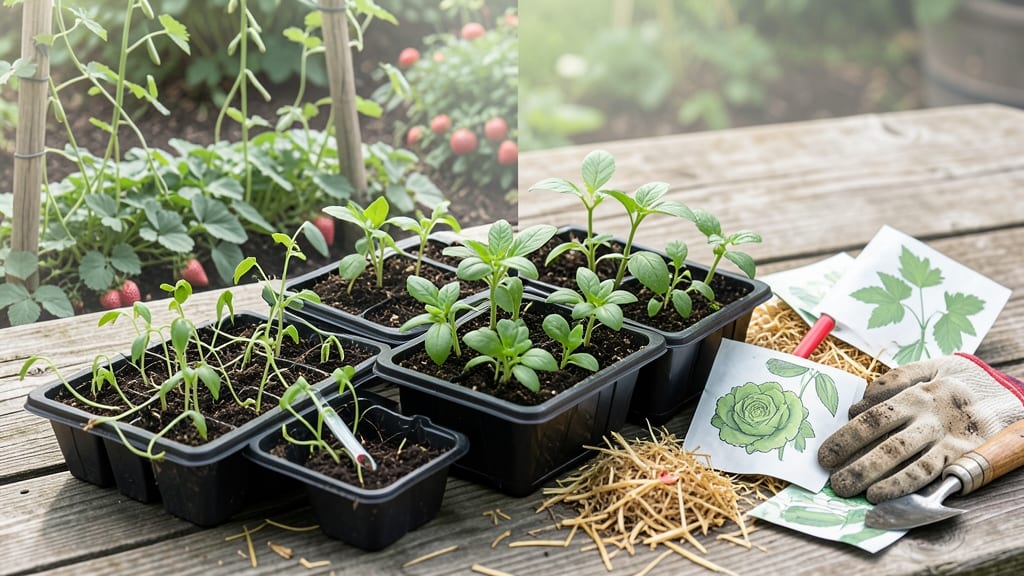
To plant a garden in Washington State, time your sowing between mid-March and mid-May for most regions — but coastal areas can start as early as February, while inland zones like Spokane wait until late April.
Washington State’s diverse climate—from the rainy Pacific Northwest to the arid deserts of eastern regions—means your planting schedule can vary dramatically depending on where you live.
Get it wrong, and your 🌱 garden could face frost damage or stunted growth; get it right, and you’ll enjoy bountiful harvests all season long.
Below, I break down the exact frost dates by zone, crop-specific planting windows, and how to adjust for urban heat islands or high-altitude microclimates.
Washington State planting Zones: understanding your last frost dates by region
Washington State spans USDA Hardiness Zones 7-9, creating wildly different planting windows depending on where you garden. The Puget Sound region (Zones 7b-8a) enjoys milder winters, while eastern WA (Zones 5b-7a) can experience earlier frosts.
Knowing your last average frost date is critical—plant too early, and a surprise freeze will kill tender seedlings.
For most Western WA gardeners (Seattle, Portland, Olympia), the last frost typically falls between April 15 and May 15. In contrast, Spokane and Wenatchee often see their last frost by May 1 to May 15, with some high-desert areas pushing into early June.
These dates determine when to plant warm-season crops like tomatoes and peppers.
Microclimates add complexity. Urban areas like Seattle’s downtown can be 5-10°F warmer than surrounding regions due to the urban heat island effect. Coastal areas near Olympia or Bellingham may experience later frosts due to marine influence, while inland valleys like the Yakima Valley can warm up faster in spring.
Here’s a quick reference for last frost dates by region to help you time your plantings:
| Region | USDA Zone | Last Frost Date | First Frost Date | Key Notes |
|---|---|---|---|---|
| Seattle/Puget Sound | 7b-8a | April 15 - May 15 | October 15 - November 1 | Coastal influence delays spring warmth |
| Portland/Vancouver | 7b-8a | April 20 - May 10 | October 10 - October 30 | Urban heat islands warm soil faster |
| Spokane/Eastern WA | 5b-7a | May 1 - May 15 | September 15 - October 15 | Drier climate, faster soil warming |
| Wenatchee/Yakima Valley | 6b-7a | April 25 - May 10 | October 1 - October 15 | Desert climate with long growing season |
If you’re in Zone 7b or warmer, you can start planting warm-season vegetables like tomatoes and peppers 2-3 weeks after your last frost date.
For cool-season crops (spinach, peas, lettuce), you can often plant as early as late February to early March under row covers or in a greenhouse.
For high-altitude areas (e.g., Snoqualmie Pass, Mount Rainier foothills), adjust your timeline by 2-4 weeks later—these regions can experience late spring frosts even if they’re geographically close to milder zones. Always check local weather forecasts in late April for real-time updates.
Container gardeners in urban Seattle or Portland can push their planting dates slightly earlier due to heat-retaining pots and microclimate warmth. However, avoid planting frost-sensitive crops until after May 10 to minimize risk. For eastern WA, where nights stay cooler longer, wait until after May 15 for heat-loving plants.
Pro tip: Use frost cloth or row covers to extend your planting window by 2-3 weeks in early spring or late fall. This is especially useful for Puget Sound gardeners who want to get a head start on spring greens or fall broccoli.
Remember, these dates are averages—not guarantees. Always have back-up plans for late frosts, like cold frames or indoor growing setups for seedlings. With Washington’s unpredictable weather, flexibility is key to a thriving garden. 🌱
Best planting calendar for Washington State: month-by-month guide for vegetables, flowers, and herbs
Washington State’s cool, wet springs and variable summers demand a strategic planting schedule. Whether you're growing cool-season crops like kale or heat-loving tomatoes, timing is everything. In Western WA, last frost dates range from March 15–April 15, while Eastern WA sees frost until May 1 in high-altitude areas.
Adjust your calendar based on your USDA zone (7–9) and microclimate.
For direct-sown vegetables, start seeds indoors 4–6 weeks before your last frost date. Transplants like tomatoes and peppers should go in after soil warms to 60°F (15°C), typically mid-May to June in most regions. Perennial flowers, such as lavender and coneflowers, thrive when planted in early spring or fall, avoiding extreme heat or cold.
🌱 Month-by-Month Planting Highlights for Washington State
- March–April: Sow cool-season crops like peas, spinach, and lettuce. Transplant hardy perennials (e.g., rhubarb, asparagus).
- May: Start warm-season veggies (tomatoes, peppers) indoors. Direct-sow radishes, beans, and cucumbers after last frost.
- June–July: Plant heat-tolerant herbs (basil, cilantro) and fall vegetables (kale, carrots) for succession planting.
- August–September: Sow cool-season cover crops (clover, winter rye) and late-blooming flowers (asters, chrysanthemums).
- October–November: Plant garlic and onions for spring harvest. Mulch perennials to protect from winter frost.
In high-altitude areas like the Cascades or Palouse, delay warm-season planting until mid-June to avoid late frosts. Use row covers to extend the season for delicate greens like lettuce or herbs such as dill.
For container gardening in urban areas, prioritize compact varieties (e.g., bush beans, cherry tomatoes) and move pots to sunniest spots as seasons shift.
Don’t overlook herbs like rosemary and thyme, which thrive in well-draining soil and full sun. Plant them in early spring for established growth before summer heat. Succession planting every 2–3 weeks ensures a continuous harvest of leafy greens and radishes, even in WA’s unpredictable climate.
Monitor soil temperatures with a thermometer—50°F (10°C) is ideal for cool crops, while 70°F (21°C)+ is needed for tomatoes and peppers.
Adjust your schedule based on local weather patterns, such as the Puget Sound’s marine influence (cooler summers) or Eastern WA’s dry heat (faster soil warming).
With this month-by-month guide, you’ll maximize your garden’s potential while adapting to Washington’s unique growing conditions. Happy planting! 🌿