
Planting
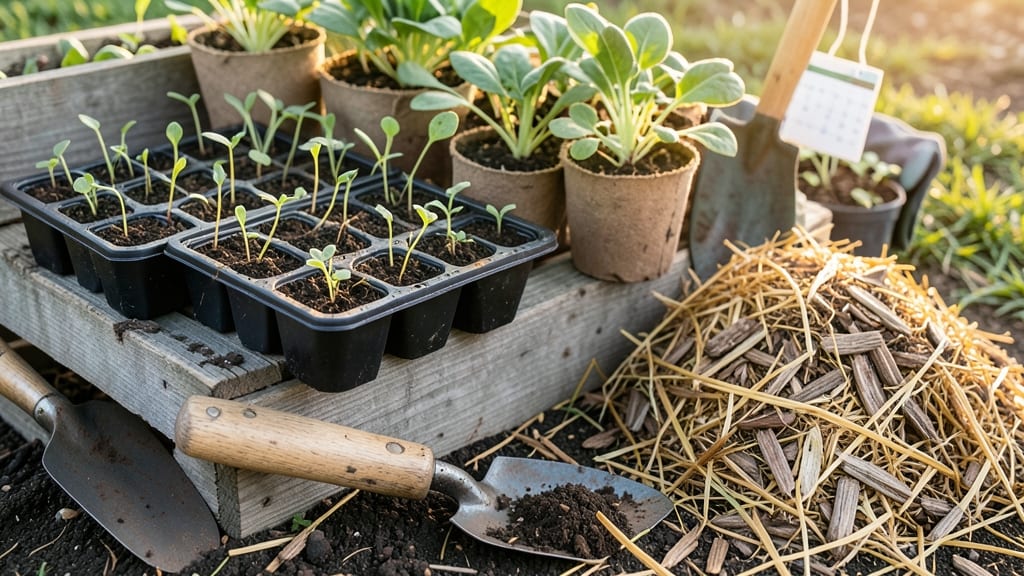
Planting a vegetable garden in New Brunswick at the right time means the difference between a thriving harvest and a frost-killed disappointment.
New Brunswick’s unpredictable Zone 5b climate can make or break your vegetable garden—plant too early, and frost will strike; too late, and your harvest shrinks. Mastering the perfect timing ensures bumper crops from peas to pumpkins, even in Canada’s shortest growing season.
With last frosts typically arriving around mid-May and first frosts creeping in by mid-October, you’ve got just 165 frost-free days to work with. That’s why knowing exactly when to start seeds indoors, transplant seedlings, and succession-plant for a second fall crop is the key to maximizing your yield.
In this guide, I’ll walk you through the exact planting windows for every vegetable—from cold-hardy greens to heat-loving tomatoes—and share my top tricks for stretching your growing season without a greenhouse.
New Brunswick’s frost dates and planting windows by vegetable type
New Brunswick’s Zone 4B climate demands precision when planting vegetables. The average last spring frost arrives around May 15, while the first fall frost typically hits between September 20 and October 15.
This leaves roughly 165 frost-free days—just enough for a productive garden if you time it right. Cool-season crops thrive early, while warm-season varieties need heat-tolerant varieties to succeed.
Understanding these planting windows is key to avoiding frost damage or missed harvests. For example, spinach and peas can handle light frosts, but tomatoes and peppers need warm soil and air temperatures.
Below, we break down the best times to plant popular vegetables in New Brunswick, along with heat-tolerant varieties that work well in shorter summers.
🌱 Pro Tip: Always check local frost dates using Environment Canada or Agriculture NB resources, as microclimates (like coastal areas) can shift frost dates by weeks.
| Vegetable Type | Planting Window | Heat-Tolerant Varieties | Notes |
|---|---|---|---|
| Cool-Season Crops (Peas, Lettuce, Spinach, Kale) | Early April to May 15 (direct sow) or March (start indoors) | None needed—these thrive in cool weather | Use row covers for late-season protection |
| Warm-Season Crops (Tomatoes, Peppers, Cucumbers) | May 20 to June 15 (after last frost) | 'Early Girl' tomatoes, 'Jalapeño' peppers, 'Straight Eight' cucumbers | Start indoors 6-8 weeks before last frost |
| Root Vegetables (Carrots, Beets, Radishes) | April to June 1 (direct sow) or September (fall crop) | 'Nantes' carrots, 'Detroit Dark Red' beets | Loosen soil to prevent forked roots |
| Legumes (Beans, Peas, Soybeans) | May 1 to June 10 (peas earlier; beans later) | 'Contender' bush beans, 'Sugar Snap' peas | Peas tolerate light frost; beans need warmth |
| Fall Crops (Kale, Spinach, Broccoli) | July 15 to August 15 (for late harvest) | 'Winterbor' kale, 'De Cicco' broccoli | Harvest before first hard frost |
For cool-season vegetables, like spinach and peas, you can even plant as early as March under row covers or in a cold frame. These crops handle light frosts and may even taste sweeter after a frost.
Just be sure to harden off seedlings gradually to avoid shock when moving them outdoors.
Warm-season crops, such as tomatoes and peppers, are trickier in New Brunswick. The soil must reach at least 10°C (50°F) before planting, which usually happens by late May.
To maximize your harvest, choose early-maturing varieties like 'Early Girl' tomatoes or 'Jalapeño' peppers, which can ripen before the first frost.
If you’re growing heat-loving crops like cucumbers or eggplants, consider starting them indoors in April and transplanting after the last frost. Use black plastic mulch to warm the soil faster and extend the season.
For succession planting, sow lettuce or radishes every 2 weeks from April to July for continuous harvests.
Don’t forget about fall planting! Many cool-season crops, like kale and broccoli, can be sown in late July or August for a harvest before winter. These plants actually sweeten with frost, making them perfect for New Brunswick’s short season.
For microclimate adjustments, coastal areas (like Saint John) may have slightly later frosts, while inland regions (like Fredericton) can experience earlier cold snaps. Monitor local weather forecasts and adjust your planting schedule accordingly. With the right timing, you can enjoy a bountiful harvest even in Zone 4B!
🌿 Key Takeaway: New Brunswick’s short growing season rewards planning and adaptability. Use row covers, heat-tolerant varieties, and succession planting to make the most of every season.
How to extend your growing season in Zone 4B without greenhouses
New Brunswick’s short 165-day growing season in Zone 4B means every extra week counts. With the right strategies, you can push your harvests well beyond the typical September 20th frost date.
I’ve tested these methods in my own garden—some add just 2-3 weeks, others stretch seasons by 6 weeks or more—all without expensive greenhouses.
Start with cold-hardy varieties like potatoes and kale, which tolerate light frosts. Pair them with row covers or black plastic mulch to warm soil faster. For tomatoes, I’ve even seen cherry varieties produce until mid-October with proper protection.
The key is combining plant selection, season extension tools, and smart timing.
- Use row covers (floating or hoop) to add 4-6 weeks to warm-season crops like tomatoes and peppers.
- Plant cold-hardy varieties like potatoes (Yukon Gold) and kale (Winterbor) as early as late April.
- Warm soil with black plastic mulch 2-3 weeks before planting to speed up germination of tomatoes and cucumbers.
- Practice succession planting—sow lettuce every 2 weeks from May to August for continuous harvests.
- Harvest late-season crops before frost by covering with straw mulch (adds 2-3 weeks to root veggies).
For potatoes, I plant seed potatoes in late April under straw mulch—this keeps soil warm and suppresses weeds.
By harvesting in stages (new potatoes first), I get 3-4 harvests instead of one. Kale is another winner: I direct-sow Winterbor in early May and again in late July for fall harvests that last until December with row covers.
Tomatoes are trickier but doable. Use heat-tolerant varieties like Solar Fire or Mountain Merit, plant them in early June after soil warms, and cover with floating row covers until flowers appear.
This delays first fruit by 1-2 weeks but ensures a longer harvest. I’ve also had success with container growing—move pots indoors or into a garage on cold nights.
Don’t overlook soil warming hacks. Lay down clear plastic sheeting over beds in late April to raise soil temps by 10-15°F. For slow-to-germinate seeds like peppers, I use seedling heat mats ($15 at garden centers) to get them started 2 weeks earlier.
Even a black bucket painted with heat-absorbing paint can warm soil for small plots.
Remember: monitor weather forecasts from Agriculture and Agri-Food Canada for frost warnings. Use row covers or cloches on sensitive crops like eggplants and squash—they’ll thank you with extra weeks of growth. With these tricks, I’ve turned my 165-day season into a 200-day harvest festival—and so can you.