
Planting
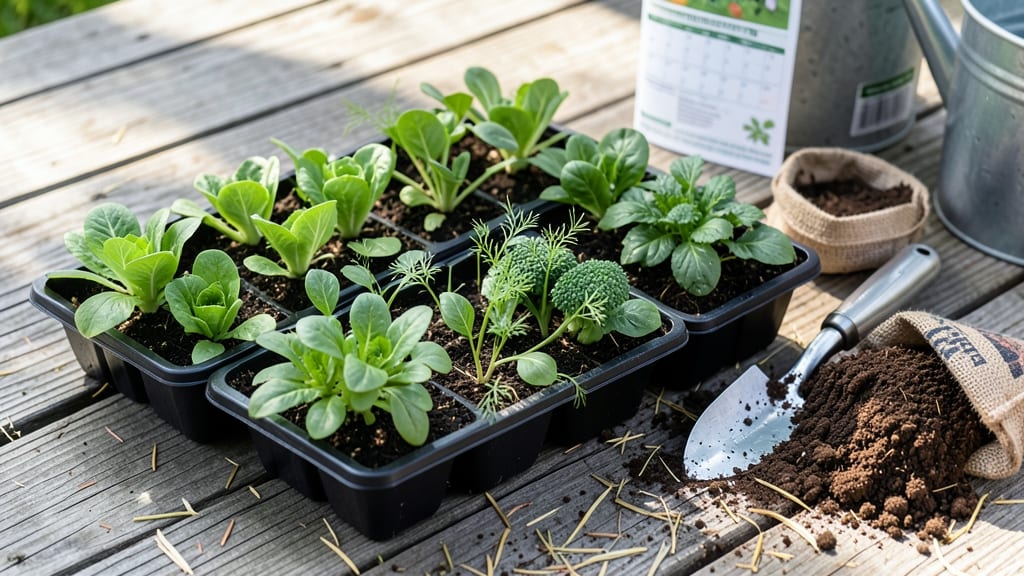
Planting a vegetable garden in Northern California at the right time means the difference between a bountiful harvest and a sad pile of frost-bitten seedlings 🥬 — and the window shifts wildly from the foggy coast to the Central Valley’s heat.
Northern California’s diverse microclimates—from coastal fog to inland heat—can turn gardening success into a guessing game if you plant at the wrong time. Avoid frost damage and maximize yields by timing your vegetable garden perfectly, whether you're in San Francisco, Sacramento, or the Central Valley.
Cool-season crops like lettuce and peas thrive in fall and winter, while tomatoes and peppers need the warmth of spring and summer. But the exact timing depends on your USDA zone (8-10, with big variations) and whether you’re dealing with coastal delays or valley heat.
Below, I break down the best planting windows for your microclimate, how to adjust for early frosts or late heat waves, and the 3 biggest mistakes gardeners make when guessing their schedule.
Northern California planting Zones: when to start seeds and transplant vegetables by microclimate
Northern California’s diverse microclimates create unique challenges for gardeners. Coastal areas like San Francisco (Zones 7-9) experience cooler temperatures and morning fog, while the Central Valley (Zones 9-10) bakes under intense summer heat.
Mountain foothills (Zones 6-8) face earlier frosts and shorter growing seasons. Timing your seed starting and transplanting correctly ensures your tomatoes, peppers, and squash thrive—not just survive.
Understanding your last frost dates is critical. In the Bay Area, the average last frost falls around March 15, while the Sacramento Valley sees its last frost by February 15.
Coastal gardens often have delayed planting windows due to lingering chill, whereas inland areas can plant warm-season crops weeks earlier. Let’s break down the best times to start seeds indoors and transplant outdoors for each microclimate.
For coastal gardens, I recommend starting tomato seeds indoors in early February. The fog delays warming, so transplanting outdoors shouldn’t happen until mid-April. In contrast, Central Valley gardeners can plant pepper seeds as early as January and transplant by late February.
The longer frost-free season (up to 365 days in mild zones) allows for year-round planting of cool-season crops like kale and carrots.
Mountain foothills present the biggest challenge due to late frosts. Wait until mid-May to transplant warm-season crops like squash and beans. Use row covers to extend your season and protect tender seedlings from unexpected late spring frosts.
In my own garden, I’ve learned that succession planting every 2-3 weeks ensures a steady harvest of lettuce and spinach even in cooler microclimates.
Soil temperature matters just as much as air temperature. Use a soil thermometer to confirm your soil is at least 60°F before transplant
How to adjust planting times for early spring and fall crops in Northern California’s unpredictable climate
Northern California’s unpredictable weather makes timing critical for cool-season crops like lettuce and brassicas such as broccoli. In my Zone 9b garden in the Bay Area, I’ve learned that fall planting can extend harvests well into winter, while spring starts must account for late frosts in inland valleys.
The key is flexibility—using season-extending tools to protect tender seedlings and adjust planting windows based on microclimates.
For leafy greens and root vegetables, I start seeds indoors 8-10 weeks before the average first frost (which can range from November 15 in Sacramento to January 15 in coastal areas). In my experience, succession planting every 2-3 weeks ensures a continuous harvest, even when temperatures fluctuate.
For example, spinach and kale thrive in cooler weather, while radishes mature quickly—ideal for filling gaps between slower growers.
Here’s how I adjust planting times using season-extending strategies to maximize my garden’s potential:
- 1 Use row covers to plant cool-season crops like lettuce 4-6 weeks earlier than usual. In my garden, this has pushed spring lettuce harvests from March to February, adding 4 extra weeks of fresh greens.
- 2 Cold frames extend fall harvests by 2-3 months. I’ve kept carrots and beets growing until December in my unheated cold frame, even when outdoor temps drop to 35°F.
- 3 Succession plant fast-maturing crops like radishes and bush beans every 2 weeks to maintain production. This works especially well in fall gardens where days shorten quickly.
- 4 Hardening off seedlings for 10-14 days before transplanting prevents shock. I gradually expose broccoli and cabbage seedlings to outdoor conditions, starting with 2 hours/day and increasing to full sun.
- 5 Monitor soil temperature with a soil thermometer. Most cool-season crops need soil temps between 45-65°F. In my Zone 9b garden, this means waiting until late September for fall planting.
Before planting, I always prepare the soil with a checklist to ensure success. First, I test soil pH—most leafy greens prefer 6.0-7.0, while brassicas thrive in 6.0-6.8. Amending with compost and aged manure improves drainage and fertility, which is critical in Northern California’s clay-heavy soils.
I also mulch heavily with straw to retain moisture and suppress weeds, especially during fall rains.
For hardening off seedlings, I start by placing them in a shady spot for a few hours, then gradually increase their exposure to sun and wind. This process takes about 2 weeks and helps broccoli and kale withstand temperature fluctuations.
I’ve found that seedlings hardened off this way transplant with minimal stress, leading to stronger plants and higher yields. The key is consistency—don’t rush the process, or you risk shocked seedlings that fail to thrive.
By combining these strategies, I’ve successfully grown leafy greens year-round in my Northern California garden, even during unpredictable weather.
Whether you’re in San Francisco’s foggy coast or Sacramento’s hotter valleys, adjusting planting times with row covers, cold frames, and succession planting will help you maximize your harvests and enjoy fresh produce longer. 🌱