
Planting
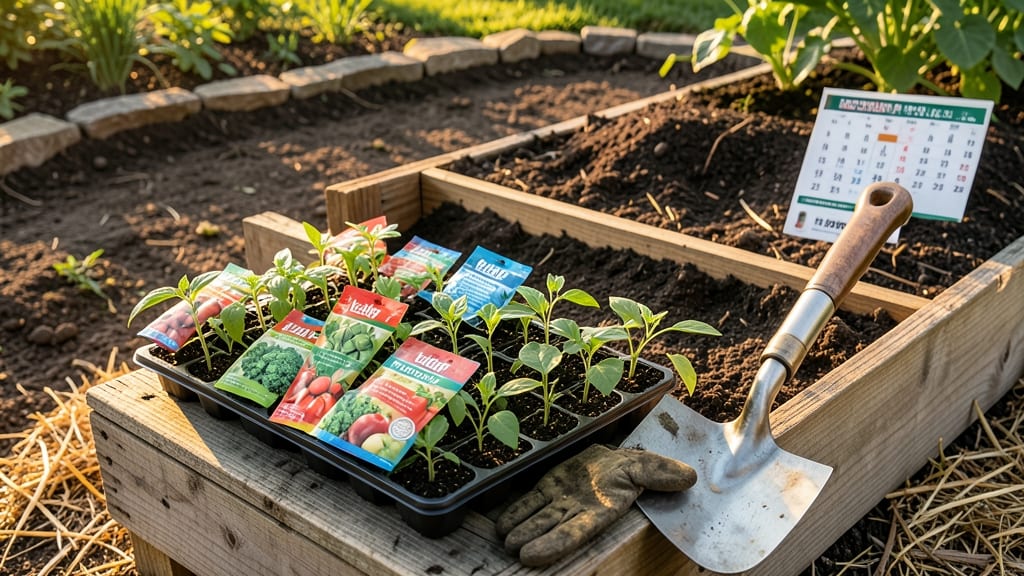
Planting a vegetable garden in Ontario at the right time means the difference between a bountiful harvest and a frost-killed disappointment.
Ontario’s unpredictable climate can make or break your garden—plant too early and frost will strike, too late and your harvest suffers.
Timing is everything, but with diverse growing zones (5a-6b), knowing the exact start dates for each crop can mean the difference between a thriving garden and a failed experiment.
Spring planting kicks off as early as mid-April for cold-hardy crops like peas and spinach, but most warm-season vegetables (tomatoes, peppers, cucumbers) need to wait until after the last frost, typically mid-May. Fall planting offers a second chance, with windows opening in mid-July for quick-maturing crops.
Below, I break down the zone-specific planting calendar, soil prep tips, and how to adjust for Ontario’s variable weather—so you can maximize your garden’s potential without guessing.
Ontario growing zones 4-9: exact planting dates by last frost timeline
Ontario’s growing zones 4-9 create a dramatic range in frost dates—from late May in northern zones to early June in southern regions. For example, Toronto (Zone 6) typically sees its last frost around May 15, while Ottawa (Zone 5) holds off until May 25.
These differences mean cool-season crops like peas and spinach can start earlier in the south, but warm-season plants like tomatoes and peppers must wait until after the last frost in all zones.
To avoid frost damage, I always check the Environment Canada frost forecast or use local agricultural extension services for city-specific adjustments. For instance, London (Zone 6) often warms up faster than Toronto, allowing for 2-3 weeks earlier planting of heat-loving crops.
The key is balancing soil temperature (at least 10°C/50°F) with air temperature stability—a sudden cold snap can still threaten young seedlings.
Here’s how I break it down: Cool-season crops (like kale, radishes, and lettuce) can often be sown 4-6 weeks before the last frost date, while warm-season crops (tomatoes, peppers, cucumbers) must wait until 2-3 weeks after the last frost.
In Zone 4 (e.g., Sault Ste. Marie), this might mean waiting until June 1, while Zone 9 (e.g., Windsor) can start as early as May 1.
| Growing Zone | Last Frost Date | Cool-Season Start | Warm-Season Start | Example Cities |
|---|---|---|---|---|
| Zone 4 | May 25–June 1 | April 15–April 30 | June 1–June 15 | Sault Ste. Marie, Thunder Bay |
| Zone 5 | May 15–May 25 | April 1–April 15 | May 25–June 5 | Ottawa, Kingston |
| Zone 6 | May 1–May 15 | March 20–April 1 | May 15–May 25 | Toronto, Hamilton |
| Zone 7 | April 25–May 5 | March 1–March 15 | May 5–May 15 | London, Guelph |
| Zone 8 | April 15–April 25 | February 20–March 1 | April 25–May 5 | Niagara, Windsor |
| Zone 9 | April 1–April 15 | February 1–February 15 | April 15–April 25 | Leamington, Point Pelee |
For cool-season crops, I prioritize hardy varieties like spinach and peas, which can tolerate light frosts. In Zone 4, I start these indoors in late March and transplant after the last frost.
Meanwhile, warm-season crops like tomatoes and peppers need to wait until soil temperatures reach 15°C/59°F, which often aligns with late May in Zone 6 but can be as late as early June in Zone 4.
Pro tip: Use row covers or cold frames to extend your growing season by 2-3 weeks in cooler zones. For example, in Zone 5, I’ll cover lettuce and kale with a lightweight fabric to protect them from late spring frosts.
This trick lets me harvest 30% more greens before summer heat sets in.
To verify your local frost dates, I recommend checking Environment Canada’s historical data or using apps like Old Farmer’s Almanac. For instance, Toronto’s last frost date has shifted 3-5 days earlier over the past decade due to climate change, so I adjust my planting schedule accordingly.
Always err on the side of caution—one late frost can wipe out weeks of work!
For fall planting, I follow the opposite rule: start warm-season crops (like bush beans) 8-10 weeks before the first frost date.
12 Month-by-month planting schedules for Ontario’s most popular vegetables
Ontario’s short growing season demands precision when planting vegetables. Whether you’re growing tomatoes, zucchini, or herbs, timing is critical to avoid frost damage and maximize yields. My month-by-month schedule aligns with Ontario’s last frost dates (typically mid-May) and first frost (mid-October), ensuring continuous harvests.
Let’s break it down by crop to keep your garden productive all season.
For cold-hardy crops like lettuce and carrots, early spring and fall planting works best. Meanwhile, warm-season crops such as tomatoes and zucchini need to wait until soil warms to at least 10°C (50°F).
Succession planting—sowing seeds every 2 weeks—extends harvests, especially for leafy greens. Here’s how to plan each month for a thriving Ontario garden.
- 1 March-April: Start cold-hardy crops indoors (e.g., lettuce, spinach) or sow directly in protected beds. Harden off seedlings by late April.
- 2 May: Plant peas, radishes, and carrots as soon as soil is workable. Wait until after last frost (mid-May) for tomatoes, zucchini, and beans.
- 3 June: Sow succession crops like lettuce and bush beans every 2 weeks. Transplant herbs (e.g., basil, cilantro) after frost risk passes.
- 4 July-August: Plant fall crops like kale and spinach for late-season harvests. Extend tomato and pepper season with row covers.
- 5 September: Direct-sow hardy greens (e.g., radishes, turnips) and carrots for fall harvests. Avoid planting warm-season crops after mid-September.
- 6 October: Harvest remaining crops before first frost. Use row covers to extend harvests for lettuce and spinach by 2-3 weeks.
Pro tip: Use succession planting for lettuce and radishes—sow seeds every 2 weeks from May to July for a steady supply. For herbs like basil, pinch back flowers to encourage leaf growth and extend the harvest window.
Ontario’s fall planting is often overlooked but can yield delicious crops like kale and spinach. These cold-hardy greens thrive in cooler weather and can be harvested well into November if protected. Pair them with carrots and beets, which also perform well in fall soil.
Don’t forget to rotate crops yearly to prevent soil depletion and disease. For example, plant tomatoes where beans grew last year, as they belong to different plant families. This simple step boosts soil health and plant vigor for years to come.
With this schedule, you’ll enjoy fresh vegetables from June through October, even in Ontario’s short growing season. Happy planting!