
Planting
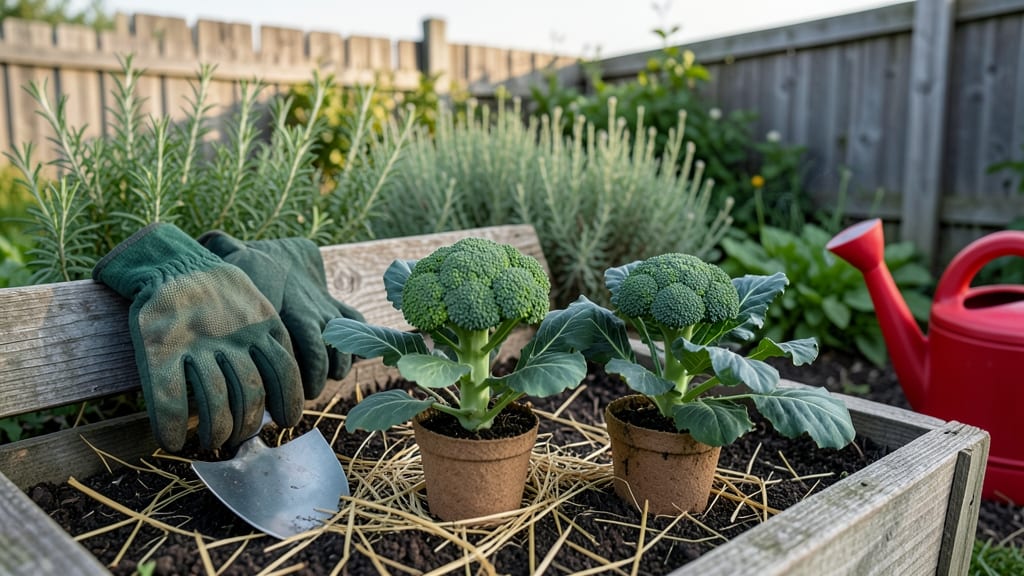
Planting your fall garden in Central Texas between mid-August and early October is the key to a harvest that lasts through December—if you time it right.
Central Texas gardeners know the fall season brings cooler temperatures—but planting too early or late can mean wasted effort. The wrong timing leaves your 🥬 vulnerable to summer heat or winter frost, and even experienced gardeners miss the sweet spot every year.
This isn’t just about avoiding frost; it’s about giving each crop the perfect window to mature before the first chill arrives. Whether you’re growing leafy greens, root vegetables, or brassicas, the right schedule means the difference between a thriving garden and a sad, half-harvested bed.
Below, I’ll break down the exact planting dates by plant type, how to adjust for your local microclimate, and the five mistakes that ruin fall gardens—so you can enjoy fresh produce straight from your backyard until the holidays.
Central Texas fall planting calendar: exact dates by plant type
Fall in Central Texas transforms your garden into a productivity powerhouse—if you plant at the right time. The key is working with USDA Zones 8a-8b, where the first frost typically arrives around December 1.
Plant too early, and your heat-loving crops like tomatoes and peppers will bolt; too late, and cool-season greens won’t mature before the cold sets in.
My strategy? Focus on three crop categories: frost-sensitive warm-season plants (plant in late summer), cool-season staples (plant in early fall), and hardy greens (plant 6-8 weeks before frost). This timing ensures you’ll harvest before temperatures dip below 28°F, the threshold where most vegetables suffer damage.
Pro Tip: Use Texas A&M AgriLife Extension’s frost probability maps to adjust dates by 1-2 weeks if your area runs warmer or cooler than average. For example, Austin’s frost date might be November 25, while San Antonio’s could be December 10.
| Plant Type | Ideal Planting Window | Days to Harvest | Sun Needs | Notes |
|---|---|---|---|---|
| Tomatoes | Late July–early August (transplant seedlings) | 60–85 days | Full sun (6+ hours) | Use heat-tolerant varieties like 'Celebrity' or 'Better Boy'. |
| Peppers (Bell/Chili) | Late July–mid-August | 60–90 days | Full sun (6+ hours) | Harvest before 50°F nights to prevent damage. |
| Basil | Mid-August–early September | 30–45 days | Full sun (4+ hours) | Protect from light frosts with row covers. |
| Kale | Mid-August–early October | 45–60 days | Full sun–partial shade | Sweeter after light frost (harvest before hard freeze). |
| Spinach | Late August–mid-September | 30–50 days | Partial shade (4+ hours sun) | Bolt-resistant varieties like 'Bloomsdale' perform best. |
| Carrots | Late August–early October | 60–80 days | Full sun (5+ hours) | Loosen soil to prevent forked roots. |
| Broccoli | Mid-September–early October | 50–70 days | Full sun (5+ hours) | Harvest heads before they yellow. |
| Cabbage | Late August–mid-September | 70–90 days | Full sun (5+ hours) | Use row covers for late-season protection. |
For frost-sensitive crops like tomatoes and peppers, I start seedlings indoors in June and transplant them by late July. This gives them enough time to mature before temperatures drop below 50°F at night.
In my garden, I’ve found that cherry tomatoes like 'Sweet 100' ripen faster than beefsteak varieties, making them ideal for late-season harvests.
Cool-season crops like kale and spinach thrive when daytime highs drop to 75°F or below. I plant these in late August to ensure they’re established before September heatwaves stress young seedlings. A trick I use? Soak seeds overnight before planting to jumpstart germination in the cooler soil.
Hardy greens such as broccoli and cabbage can handle light frosts down to 25°F, but I still aim to plant them by mid-September to avoid the October heat spikes that can stunt growth.
These crops benefit from a light application of compost before planting to replenish nutrients after summer’s heavy use.
Don’t forget about
How to adjust planting dates for Central Texas microclimates
Your neighbor’s fall garden might thrive while yours struggles—not because of skill, but because of microclimates. Central Texas has dramatic temperature shifts between Austin’s higher elevations, Waco’s urban heat islands, and San Antonio’s coastal influence.
Even within a single city, a yard can be 5-10°F warmer than the next block over, throwing off planting schedules.
For example, Austin’s first frost typically arrives around December 1, but hill country areas like Dripping Springs can see frost 2 weeks earlier. Meanwhile, San Antonio’s coastal breezes delay frost until December 15.
These variations mean your basil or tomato seedlings might bolt in one yard but thrive in another just miles away.
⚠️ WARNING: Planting Too Late or Early
Planting heat-loving crops like peppers or eggplant after September 15 risks stunted growth from shortening daylight. Conversely, sowing cool-season greens too early (before August 15) can lead to bolting from residual summer heat. Use soil thermometers—ideal planting temps for fall crops range from 60-75°F.
To fine-tune your schedule, start with USDA Zone 8a-8b frost charts (available from Texas A&M AgriLife), then adjust for your local microclimate. For instance, if your yard sits in a low-lying area, expect colder air pockets that freeze earlier.
Conversely, south-facing walls or paved surfaces create urban heat islands, delaying frost by 1-2 weeks.
Use a soil thermometer to verify when temps drop below 65°F—the threshold for cool-season crops like kale or spinach. In Austin’s higher elevations, this might mean waiting until late August, while San Antonio’s warmer soils could support planting as late as early September.
Always plant 6-8 weeks before your area’s average first frost to ensure maturity.
Pro tip: Container gardens in urban areas (like Austin’s downtown) can stay 5-7°F warmer than in-ground beds. If you’re using pots, extend your planting window by 10-14 days compared to ground planting. Just be sure to use black plastic mulch to protect roots from nighttime temperature drops.
For Waco’s drier climate, prioritize drought-tolerant varieties like Swiss chard or radishes, which handle soil temperature fluctuations better than lettuce. In San Antonio, where humidity lingers, opt for well-ventilated crops like bush beans to avoid fungal diseases from prolonged moisture.