
Planting
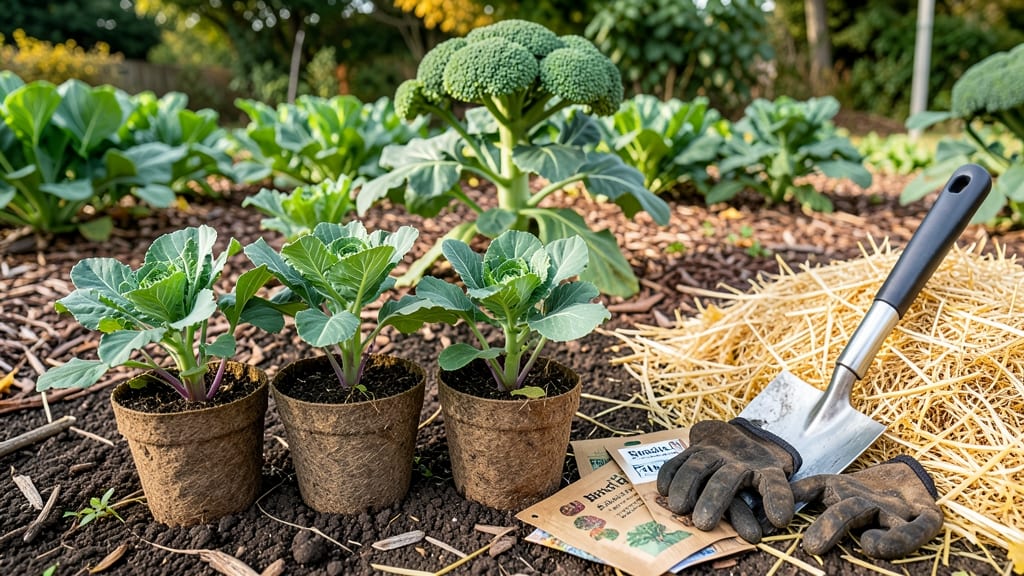
Planting a fall garden in Florida means working with the state’s unique heat-to-cool transition, where timing can mean the difference between a bumper harvest and a wilted disappointment.
If you’ve ever watched your 🥬 greens bolt in September or your broccoli turn bitter before it matures, you know how tricky Florida’s fall window can be. The secret isn’t just when to plant—it’s choosing the right heat-tolerant varieties and adjusting for your region’s microclimate.
North Florida’s cooler pockets (like Zone 8a) can handle transplants as early as mid-August, while South Florida’s lingering summer heat demands waiting until late September for cool-season crops.
I’ll break down the exact start dates, the crops that thrive in Florida’s warm falls, and how to stretch your harvest well into December.
By the end, you’ll have a clear, region-specific plan—no more guessing games, just a garden that delivers flavor and abundance when your neighbors are still scrambling to find fresh produce.
Florida’s fall planting timeline: exact start dates by region (North vs. Central vs. South)
Florida’s fall gardening season is a gardener’s sweet spot—warm days, cooling nights, and fewer pests. But unlike northern states, Florida’s three distinct regions (North, Central, South) have different microclimates that demand precise timing. Plant too early in the Panhandle (Zone 8a), and your greens bolt from residual summer heat.
Plant too late in South Florida (Zone 11), and you miss the ideal harvest window entirely.
Here’s the exact month-by-month breakdown you need to align your planting with Florida’s temperature thresholds and regional frost risks. We’ll cover when to sow seeds, transplant seedlings, and mulch for maximum success—plus how to adjust for unpredictable weather patterns like early cold snaps or lingering heatwaves.
Key rule for Florida: Aim to plant 60-90 days before your region’s first frost date (or by October 15 for most areas). Since frost is rare in South Florida but possible in North Florida by mid-December, your timeline shifts dramatically. Let’s dive into the specifics.
In North Florida (Zone 8a), where frost can sneak in by mid-December, your window is tight. Start cool-season crops like broccoli and kale by August 15 to ensure they mature before temperatures dip.
Use black plastic mulch to warm soil early and row covers to protect seedlings after October 1. My go-to variety for this region is ‘Winterbor’ kale—it thrives in cooler temps and resists bolting.
Central Florida (Zone 9a) offers a longer grace period, but don’t wait too late. Begin sowing heat-tolerant greens like Malabar spinach as early as July 1 for a fall harvest.
Transplant lettuce and radishes by August 15 to avoid the September heat spike. Pro tip: Succession plant every 2 weeks until October 15 to extend your harvest into November.
Down in South Florida (Zone 11), frost is rare, but humidity and pests can derail your garden. Take advantage of the extended growing season by planting okra and sweet potatoes as early as July 1.
These crops love the heat and will keep producing well into December. For greens like cilantro, use shade cloth (30–50%) to prevent bolting from intense sun.
Regardless of your region, soil temperature is your best guide. Use a soil thermometer to confirm it’s 70°F+ before planting seeds. If it’s hotter than 85°F, opt for shade-tolerant varieties like ‘Black Seeded Simpson’ lettuce. In North Florida, amend soil with compost** to improve drainage—sandy soils here can dry out
Top 10 heat-tolerant vegetables for Florida’s fall garden (and when to sow them)
Florida’s fall garden thrives when you choose heat-tolerant varieties that won’t bolt in lingering summer temperatures. Unlike traditional cool-season crops, these 10 powerhouse plants handle Florida’s 80-90°F days while delivering bountiful harvests.
The key? Plant them late August through mid-September—just as summer’s worst heat fades but before hurricane season peaks.
These crops also thrive in Florida’s sandy soil with minimal fuss, making them perfect for beginners. Pair them with companion plants like marigolds (to deter pests) or basil (to boost tomato flavor), and you’ll create a low-maintenance, high-yield system.
Let’s dive into the top 10 heat-resistant stars and their exact planting windows.
Planting Fall Vegetables in Florida: Pros & Cons
✅ Pros
- Longer harvest window: Beat frost risks by 2-3 months
- Heat-resistant varieties: Thrive in 80-90°F temps
- Pest-resistant pairings: Marigolds deter nematodes
- Fast growth: Many ready in 45-60 days
❌ Cons
- Hurricane risks: Plant after August 20th
- Soil prep needed: Amend sandy soil with compost
- Watering demands: Deep soak 2-3x/week
- Limited frost protection: North FL may need row covers
Let’s start with okra, a Florida fall garden staple. This Southern favorite loves heat and grows like a weed—plant seeds directly in soil from mid-August to early October, spacing them 12-18 inches apart.
Okra’s pods mature in 50-60 days, and they’re ready to harvest when pods reach 3-4 inches long. Pair it with bush beans to fix nitrogen in the soil.
Next up: sweet potatoes, which thrive in Florida’s humid, warm climate. Plant slips (not seeds) late July through September, giving them 90-120 days to mature before cooler temps arrive.
Space slips 12-18 inches apart in well-draining, sandy loam. Sweet potatoes self-mulch as their vines spread, suppressing weeds naturally.
For leafy greens, Malabar spinach is a heat-loving alternative to bolting lettuce. Sow seeds late August through October, spacing them 6-12 inches apart. This tropical relative of spinach produces tender, vine-like leaves that stay crisp in 90°F+ temps.
Harvest leaves as needed—the more you pick, the more it grows!
Don’t overlook peppers, which thrive in Florida’s fall heat after summer’s peak. Plant transplants (not seeds) from mid-August to early September, spacing them 18-24 inches apart.
Varieties like ‘Jalapeño’ or ‘Cayenne’ mature in 75-90 days, and they sweeten in cooler fall temps. Pair them with basil to repel pests and boost flavor.
Finally, cowpeas (like ‘Purple Hull’) are a drought-tolerant, nitrogen-fixing powerhouse. Plant seeds late August through September, spacing them 4-6 inches apart. These legumes thrive in poor soil and produce edible pods and leaves.
Harvest pods when 3-4 inches long for best texture, or let them dry for southern-style cowpeas.
For a complete Florida fall garden, rotate these heat-tolerant crops with cool-season additions like collards (plant in October-November) as temps drop. The secret? Start with okra and sweet potatoes in late summer, then add peppers and Malabar spinach in early fall—this staggered approach ensures continuous harvests through December.