
Planting
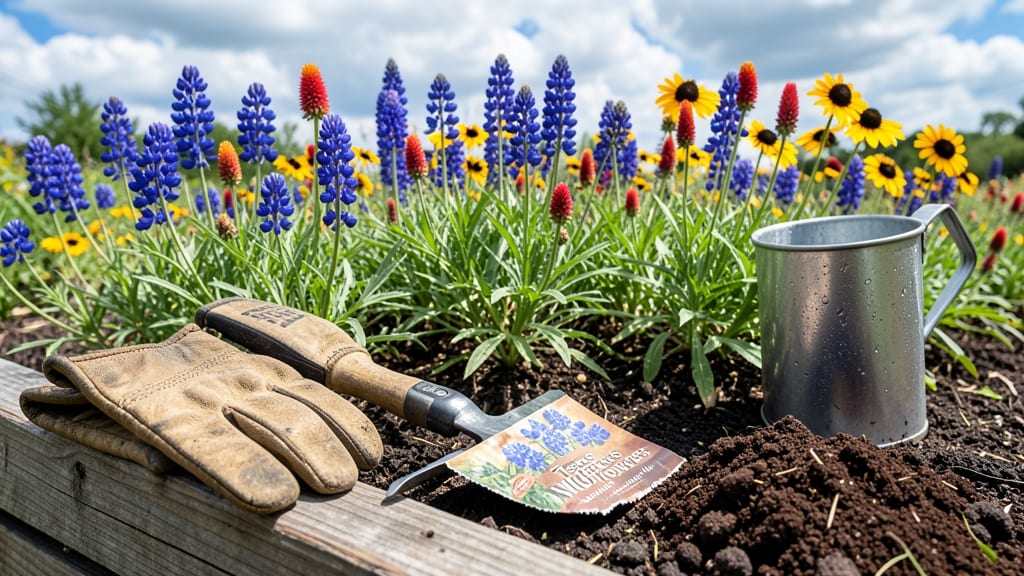
Planting a garden in Central Texas means timing is everything—get the schedule right, and you’ll enjoy a bountiful harvest; miss it, and the heat or frost will turn your hard work into a sad memory.
Central Texas gardeners face a unique challenge—scorching summers and unpredictable freezes—but timing your planting right can mean the difference between a thriving harvest and a wilted disappointment. The key? Knowing when to start seeds indoors, when to transplant tender seedlings, and which crops can handle the brutal July heat.
Spring planting kicks off as soon as the soil warms to 60°F (usually late February to early April), while fall offers a second chance from August through September.
But don’t just follow a calendar—watch for frost-free deadlines, adjust for microclimates (like the cooler Hill Country vs. urban heat islands), and choose heat-tolerant varieties that won’t bolt or wilt under Central Texas sun.
Below, I break down the exact planting windows for vegetables, flowers, and perennials, plus smart tricks to stretch your growing season—whether you’re battling early freezes or sweltering summers. Ready to turn your 🌱 dreams into reality?
Central Texas planting zones & frost-free deadlines by month
Central Texas gardeners thrive in USDA Zones 8a and 8b, where unpredictable freezes and 100°F+ summers demand precise planting timing. The average last frost date hovers around March 15, but microclimates—like Austin’s urban heat islands—can push it to late March.
Meanwhile, the first frost typically arrives November 15, though Hill Country areas may see frost 2 weeks earlier. Understanding these windows is critical for avoiding heat stress or frost damage.
For spring planting, wait until soil temperatures hit 60°F+ and nighttime lows stay above 40°F.
This usually aligns with late February to early April in most of Central Texas, but Waco’s Zone 8a may need to wait until mid-April for heat-loving crops. Fall planting should begin by mid-August to give seedlings time to establish roots before first frost.
Herbs like basil and cilantro can handle light frosts, but tomatoes and peppers need protection.
| Month | Last Frost Risk | First Frost Risk | Ideal Planting Window | Heat-Tolerant Crops |
|---|---|---|---|---|
| February | High (Zone 8a) | None | Peas, spinach, lettuce (cool crops) | None (too cold) |
| March | Moderate (after 15th) | None | Tomatoes, peppers, beans (after frost) | Okra, sweet potatoes, basil |
| April | Low | None | Cucumbers, squash, melons | Peppers, eggplant, sorghum |
| May | None | None | Direct sow heat-lovers | Black-eyed peas, cowpeas |
| August | None | Moderate (late) | Fall broccoli, cabbage, kale | Radishes, turnips, arugula |
| September | None | High (after 15th) | Garlic, onions, spinach | Cilantro, lettuce, peas |
| October | None | Very High | Cover crops (clover, rye) | None (too cold) |
In Austin’s urban areas, microclimates can delay last frost by 1-2 weeks compared to rural Hill Country or San Antonio’s Zone 8b, which often sees earlier spring planting.
Use a soil thermometer to confirm 60°F+ before planting warm-season crops like tomatoes or peppers. Succession planting every 2 weeks in spring and fall maximizes yields for leafy greens and root vegetables.
For herbs and flowers, basil and marigolds thrive in summer heat, while pansies and snapdragons prefer fall. Perennials like lavender and rosemary should be planted in early spring or fall to establish roots before extreme heat or cold snaps. Mulching with 2-3 inches of straw retains moisture and regulates soil temperature, which is crucial in Zone 8a/b.
If you’re in Waco or Temple, account for earlier frosts—these areas often see first frost by November 1. San Antonio’s Zone 8b extends the growing season slightly, but heat waves in June-July can stress even heat-tolerant crops.
Use shade cloth (30-50%) for delicate greens during peak summer. Drip irrigation in the early morning prevents
Best heat-tolerant crops for Central Texas planting seasons
Central Texas's long, brutal summers and short growing windows demand smart crop choices. The key is selecting heat-tolerant varieties that thrive in 90°F+ temperatures while avoiding bolting or wilting. Spring and fall are your best bets—planting in March-April or August-September lets you beat the worst heat while maximizing yields.
For spring planting, focus on cool-season crops that mature quickly before summer's intensity. In fall, switch to heat-resistant warm-season plants that can handle late-season heatwaves. My top picks balance productivity, drought tolerance, and local adaptability—tested in Austin, Waco, and San Antonio gardens.
🌱 Top 5 Heat-Tolerant Crops for Central Texas
- Okra – 100°F+ heat lover, thrives in poor soil, harvest pods at 3-4 inches. Plant April–June for fall harvests.
- Sweet Potatoes – Drought-resistant, 60-day maturity, needs full sun. Start slips in May–June.
- Black-Eyed Peas – Nitrogen-fixing, tolerates light frosts, harvest 70–90 days. Sow March–April or August.
- Malabar Spinach – Heat-loving vine, non-bolting, grows in partial shade. Plant April–July.
- Luffa Gourds – Vining heat magnet, 120+ days, needs trellis support. Sow May–June.
Don't overlook herbs and flowers for heat resilience. Rosemary and thyme handle 100°F+ with ease, while Mexican Sunflower and Zinnias bloom nonstop in summer. For companion planting, pair okra with sweet potatoes to improve soil and deter pests.
Pro tip: Mulch heavily (2–3 inches of straw or wood chips) to retain moisture and water deeply in early morning to reduce evaporation. Avoid planting tomatoes or peppers in peak summer—they’ll bolt or sunscald without shade.
For fall planting, prioritize fast-maturing crops like bush beans (harvest in 50 days) or collard greens, which sweeten after light frosts. By September 15, shift to broccoli and cauliflower for cooler weather.
Central Texas gardeners who master these heat-tolerant crops can enjoy year-round harvests with minimal stress. Start small, experiment with varieties, and always adjust planting dates based on your microclimate—urban areas stay hotter longer than rural spots. Happy growing! 🌿