
Planting
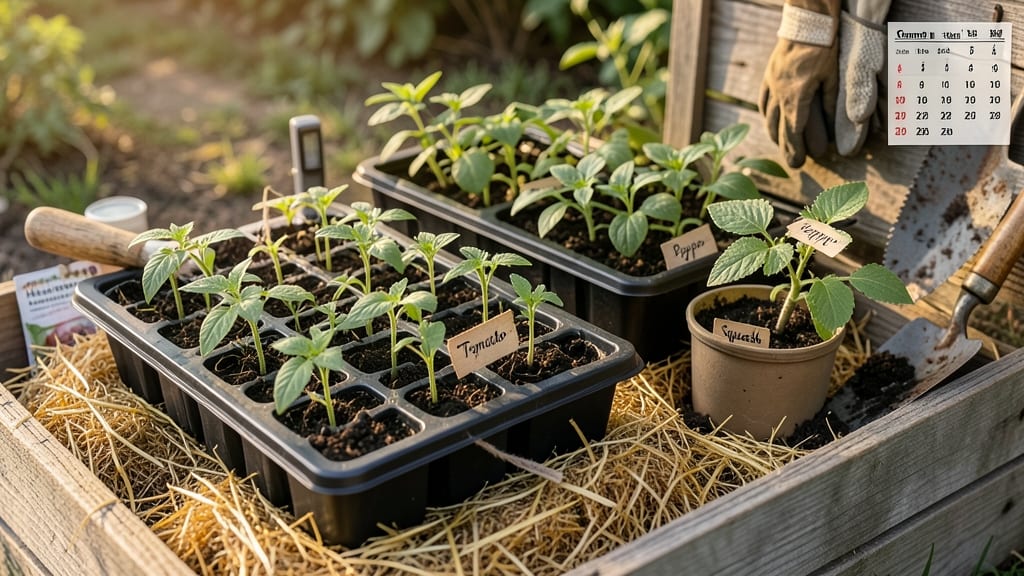
Planting a garden in Georgia at the right time means the difference between lush harvests and struggling seedlings.
Georgia’s warm climate and long growing season make it a gardener’s paradise—but planting at the wrong time can mean wilted dreams instead of bountiful harvests.
In Zone 7b, timing is everything: cool-season veggies like spinach and broccoli need to hit the soil 6-8 weeks before your last frost, while tomatoes and peppers thrive when the ground warms to at least 60°F.
Below, I’ll break down the exact months to plant for peak yields, adjust for microclimates, and share pro tips to avoid common Georgia gardening mistakes that delay harvests.
Georgia Zone 7b planting calendar: month-by-month vegetable & flower timing
Georgia’s Zone 7b climate offers two distinct planting seasons—cool-season crops thrive in early spring and fall, while warm-season favorites shine in late spring through summer.
The average last frost date is around March 15, and the first frost typically arrives November 15, giving gardeners a 240-day growing window for careful planning.
Understanding these windows helps you avoid heat stress in summer or frost damage in early spring. For example, tomatoes and peppers need warm soil (at least 60°F) to germinate, while spinach and broccoli bolt quickly when temperatures exceed 75°F.
Let’s break down the best times to plant each category for a bountiful Georgia harvest.
For cool-season crops, start seeds indoors in February for broccoli and cabbage, then transplant outdoors after the last frost. Direct-sow spinach and lettuce in late February to early March for spring harvests. In August, replant these heat-sensitive greens for a fall crop before temperatures drop.
Warm-season vegetables like tomatoes and peppers should wait until April 15–May 1, when soil temperatures reach 60°F.
Use black plastic mulch to warm the soil faster and extend the season. Okra and sweet potatoes can handle Georgia’s summer heat and are best planted in late May to early June.
Annual flowers like marigolds and zinnias thrive when planted in March–April or July–August. These heat-loving blooms attract pollinators and deter pests like aphids and whiteflies. For longer-lasting color, succession plant every 2–3 weeks through June.
Herbs require special attention: basil loves summer heat and should be planted after May 15, while cilantro bolts in late spring. Plant cilantro in fall for winter harvests or use shade cloth in summer. Succession planting every 3 weeks ensures a continuous supply.
Don’t overlook fall planting! After July 15, focus on cool-season crops and winter-hardy flowers like pansies and snapdragons. These plants need 6–8 weeks to mature before first frost, so aim for August–September sowing. Mulch heavily to protect roots from temperature swings.
Pro tip: Use row covers to extend early spring and late fall growing seasons. These lightweight fabrics protect young plants from frost and pests while allowing sunlight to pass through. Remove covers when plants are fully established to avoid overheating.
Finally, monitor local weather forecasts for unexpected frost or heat waves. Georgia’s microclimates can vary—North Georgia may experience earlier frosts, while South Georgia stays warm longer. Adjust planting dates accordingly to avoid crop loss.
With this Zone 7b planting calendar, you’ll maximize yields and enjoy fresh produce year
How to adjust planting times for Georgia’s microclimates and heat waves
Georgia’s diverse landscapes create unique gardening challenges. Atlanta’s urban heat islands can be 10°F hotter than nearby valleys, while South Georgia’s summers stretch into October. These microclimates demand flexibility in your planting schedule to avoid heat stress and maximize growth.
By adjusting timing for your specific location, you’ll protect delicate seedlings and extend harvests.
North Georgia’s cooler mountain valleys (like Blue Ridge or Dahlonega) often experience later last frosts (mid-April) compared to Atlanta’s average of March 15. Meanwhile, South Georgia’s extended heat waves (June through September) require shade-tolerant varieties or afternoon shade for heat-sensitive plants like lettuce and spinach.
Heat waves are inevitable in Georgia, but succession planting can turn them into opportunities. For example, after harvesting early bush beans in July, replant with Southern Peas (cowpeas), which handle heat better and produce pods through September. This technique keeps your garden productive when temperatures peak.
If your garden is in a low-lying area prone to heat retention, consider raised beds with black plastic mulch to warm soil faster in spring. For containers, choose heat-resistant varieties like Cherry Tomatoes or Peppers and place pots in dappled shade during peak afternoon sun (2 PM–5 PM).
Monitor your local heat wave forecasts and adjust watering schedules accordingly. During prolonged 90°F+ stretches, mulch heavily with straw to retain moisture and reduce soil temperature by up to 10°F. For delicate seedlings, use shade cloth (30–50%) until nights cool below 80°F.
By tailoring your planting schedule to Georgia’s microclimates, you’ll transform heat waves from threats into tools for a longer, more productive growing season. Start with small adjustments—like delaying warm-season plants by 2 weeks in urban areas—and watch your garden thrive in even the hottest conditions. 🌡️🌱