
Planting
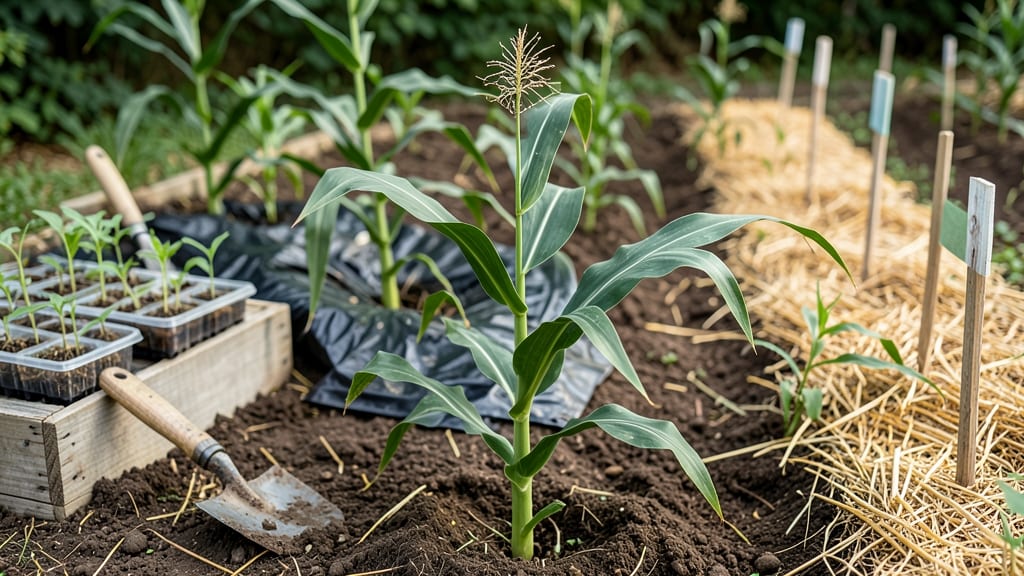
Planting a garden in Iowa means timing is everything—get the window right, and you’ll enjoy a bountiful harvest; miss it, and frost or heat will ruin your hard work.
Iowa’s short growing season demands precision, especially in Zone 5a-5b, where a late frost can wipe out seedlings overnight. Whether you’re sowing cool-season crops like spinach or warm-season favorites like tomatoes, knowing the last frost date (usually around April 15) is the key to avoiding disappointment.
This guide breaks down the best planting months for your General Garden 🌱, from early spring greens to late-summer tomatoes, so you can maximize yields without guessing. We’ll also cover how to adjust for Iowa’s unpredictable weather—because even the best-laid plans need flexibility.
Ready to dig in? You’ll learn exactly when to plant, what to grow, and how to protect your crops from Mother Nature’s curveballs—so your garden thrives from seed to harvest.
Iowa’s frost-free planting timeline by month for Zone 4a/4b crops
Iowa’s Zone 4a/4b climate means gardeners must work with a short 165-day frost-free window, typically from mid-April to mid-October. Missing these windows can mean lost harvests or stunted plants. I’ve broken down the best planting times for both cool-season and warm-season crops to maximize your garden’s potential.
Understanding last frost dates is critical—most of Iowa sees its final frost around April 15, but this varies by county. For example, Dubuque averages April 20, while Des Moines tends to see April 10. Always check your local Iowa State University Extension for precise data before planting.
| Month | Cool-Season Crops | Warm-Season Crops | Soil Temp | Notes |
|---|---|---|---|---|
| March | Peas, Spinach, Lettuce | — | 40-50°F | Use row covers for frost protection |
| April | Broccoli, Cabbage, Kale | Tomatoes (harden off) | 50-60°F | Wait until after last frost |
| May | Radishes, Carrots | Peppers, Eggplant | 60-70°F | Soil must be warm |
| June | — | Cucumbers, Beans | 70°F+ | Succession plant warm crops |
| August | Spinach, Arugula | — | 50-60°F | Plant for fall harvest |
| September | Kale, Brussels Sprouts | — | 45-55°F | Extend season with mulch |
For cool-season crops, I recommend starting seeds indoors in February for early varieties like spinach and lettuce. These can handle light frosts and even thrive in 32-40°F soil. Transplant seedlings outdoors in March or early April, using row covers if frost threatens.
Warm-season crops like tomatoes and peppers need soil temperatures above 60°F to germinate. I always wait until mid-May to plant these outdoors, even if I start them indoors in March. Hardening off seedlings is critical—expose them to outdoor conditions gradually over 7-10 days before transplanting.
Don’t forget about fall planting
How to adjust planting dates for Iowa’s unpredictable weather patterns
Iowa’s unpredictable spring frosts and early summer heatwaves can throw off even the most careful gardeners. Last year, I watched my tomato seedlings wilt overnight when a May frost hit—just days after I’d planted them!
The key to success? Flexibility. By using season-extending tools and succession planting, you can turn Iowa’s erratic weather into an advantage rather than a setback.
Start by checking your local last frost date (usually mid-April in most of Iowa) and then add a 2-3 week buffer for warm-season crops like peppers and eggplants.
For cool-season crops such as spinach or kale, you can plant 4-6 weeks before the last frost—even in late March—if you protect them with row covers or cold frames.
Don’t forget to harden off seedlings before transplanting, especially if you’re rushing to plant after a late frost. Gradually expose them to outdoor conditions over 7-10 days to prevent shock. I’ve also found that mulching with straw helps regulate soil temperature and retains moisture during Iowa’s dry spells.
For fall planting, aim to sow cool-season crops like broccoli or Brussels sprouts by late July so they mature before the first frost (mid-October). If you’re feeling ambitious, use low tunnels to push harvests into December for crops like spinach.
Finally, keep a gardening journal to track your local frost dates and weather patterns. Over time, you’ll spot trends—like when your area tends to get those late May frostslonger, more productive growing season.