
Planting
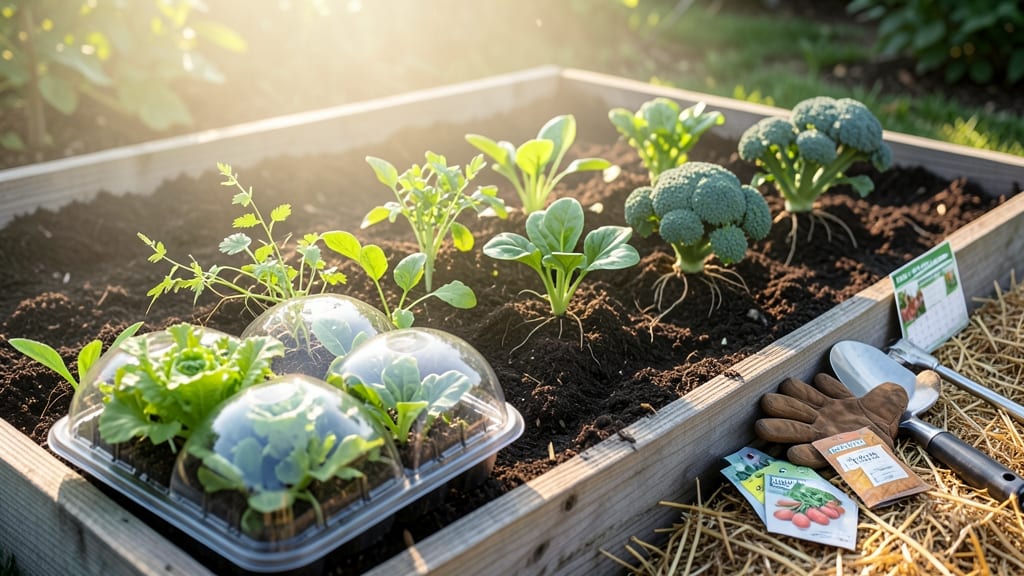
Planting your garden in Nebraska at the right time means the difference between a bountiful harvest and a sad pile of frost-nipped seedlings.
Nebraska’s unpredictable Zone 5 climate can make or break your garden—planting too early risks frost damage, while waiting too long shortens your growing season. Mastering the perfect timing is the key to maximizing yields and avoiding costly mistakes.
Most Nebraska gardeners aim for mid-April to early May for cool-season crops like peas and lettuce, but warm-season plants like tomatoes and peppers need to wait until the soil warms to at least 50°F—usually late May or early June.
Below, I’ll break down the exact frost-free dates for your region, how to adjust for late springs, and the best crops to plant each month—so you can start strong and keep your garden thriving all season long.
Nebraska planting timelines by season: frost dates and last frost averages
Nebraska’s Zone 5a/5b climate demands precise planting timing to avoid frost damage and maximize yields. The average last frost dates range from April 15 in western Nebraska to May 15 in eastern regions, while first frosts typically arrive between September 30 and October 15.
Understanding these windows ensures your garden thrives year after year.
Eastern Nebraska’s warmer microclimates often allow earlier planting than western areas, where cooler temperatures persist longer. For example, tomatoes and peppers can safely go into the ground by May 1 in eastern zones but may need to wait until mid-May in western areas.
Always check local Nebraska Extension resources for updates, as frost dates shift yearly.
Here’s a seasonal planting breakdown tailored to Nebraska’s frost averages, with regional adjustments for cool-season crops (like spinach) and warm-season staples (like corn). Use this as your guide to timing everything from seed starting to harvest.
| Season | Planting Window (Eastern NE) | Planting Window (Western NE) | Key Crops | Soil Temp Requirement |
|---|---|---|---|---|
| Spring | April 15–May 15 | May 1–May 30 | Peas, spinach, lettuce, broccoli | 40–50°F |
| Spring (Warm-Season) | After May 15 | After May 30 | Tomatoes, peppers, corn, cucumbers | 60–70°F |
| Summer | June–July | June–July | Beans, squash, melons | 65–75°F |
| Fall | August–September 15 | August–September 10 | Kale, carrots, radishes | 50–60°F |
For spring planting, start cool-season crops like peas and spinach as soon as the soil is workable (40°F+). Wait until after the last frost (typically May 15 in eastern NE) to plant warm-season vegetables such as tomatoes and peppers.
Use row covers if planting early to protect tender seedlings.
In summer, focus on heat-loving plants like beans and squash, which thrive in Nebraska’s 80–90°F temperatures. Succession plant every 2–3 weeks to extend harvests. For example, sow zucchini seeds in early June, then again in mid-July for a fall crop.
Fall planting in Nebraska is all about cool-season crops again. Start broccoli and carrots by mid-August for harvests before the first frost. In western Nebraska, rush to plant by September 10, while eastern gardeners have until September 15.
Use a soil thermometer to verify temperatures before planting. For instance, tomato seeds need 70°F+ soil, while peas can tolerate 50°F. Adjust planting dates 1–2 weeks later if spring arrives late or summer heat arrives early.
Pro tip: Direct-sow hardy crops like lettuce and radishes 2 weeks before your average last frost date. For transplants (tomatoes, peppers), wait until 2 weeks after the last frost to avoid shock. Always monitor local forecasts—a late frost can wipe out weeks of effort.
Remember, Nebraska’s microclimates vary. A south-facing slope warms up faster than a north-facing garden, so adjust planting dates accordingly. By mastering these timelines, you’ll extend your growing season and enjoy fresh produce year-round.
🌱
Best crops to plant in Nebraska by month: a month-by-month guide
Nebraska’s Zone 5 climate demands precision when planting—cool-season crops thrive in spring and fall, while warm-season favorites need summer’s warmth. I’ve broken down the best month-by-month planting schedule to maximize your harvest, using soil temperature and frost-free dates as guides.
For example, peas and spinach can handle 50°F soil, while tomatoes and peppers won’t germinate until 60°F or warmer.
Succession planting is key in Nebraska’s short growing season. By staggering plantings every 2-3 weeks, you’ll extend harvests and avoid glutting your kitchen. For instance, lettuce and radishes can be sown every 10 days from April through September.
Below, I’ve outlined the ideal timing for cool-season staples, warm-season favorites, and fall crops to keep your garden productive year-round.
- 🌱 March-April: Start cool-season crops indoors (broccoli, cabbage) or direct-sow peas and spinach when soil reaches 50°F. Use frost cloth for early plantings.
- 🌿 May: Plant warm-season crops like tomatoes, peppers, and corn after last frost (April 15–May 15). Wait until soil hits 60°F+ for best germination.
- ☀️ June-July: Succession plant beans, cucumbers, and squash. Mulch to retain moisture and prevent weeds. Harvest early crops to make room for fall plantings.
- 🌻 August: Start fall crops like kale, carrots, and beets. Use row covers to extend the season into October.
- 🍂 September-October: Plant garlic and onions for next year’s harvest. Direct-sow spinach and radishes for a winter harvest under frost protection.
Nebraska-adapted varieties perform best in your garden. For example, choose ‘Sugar Snap’ peas or ‘Wisconsin Winter’ kale, both of which tolerate Zone 5’s cold snaps.
Always check seed packets for days to maturity—plant fast growers (like radishes in 25 days) first, followed by slower varieties (like broccoli in 60+ days).
Soil temperature is your best friend in Nebraska. Use a soil thermometer to confirm readiness—peas and lettuce need 50°F, while cucumbers and melons require 70°F+. If soil is too cold, wait or use black plastic mulch to warm it faster.
For tomatoes and peppers, a 68°F soil ensures strong root growth and fewer diseases.
Don’t let Nebraska’s unpredictable weather derail your garden. Plan for succession plantings every 2 weeks to keep harvests steady. For instance, sow bush beans in early June, then again in mid-July for a late-summer harvest.
Save seeds from your best performers—like ‘Brandywine’ tomatoes or ‘Mammoth Melting’ squash—to adapt to your microclimate over time.
With this month-by-month guide, you’ll turn Nebraska’s challenges into opportunities. Start cool-season crops early, protect tender plants from late frosts, and embrace succession planting to enjoy fresh produce from spring to fall. Happy gardening! 🌱