
Planting
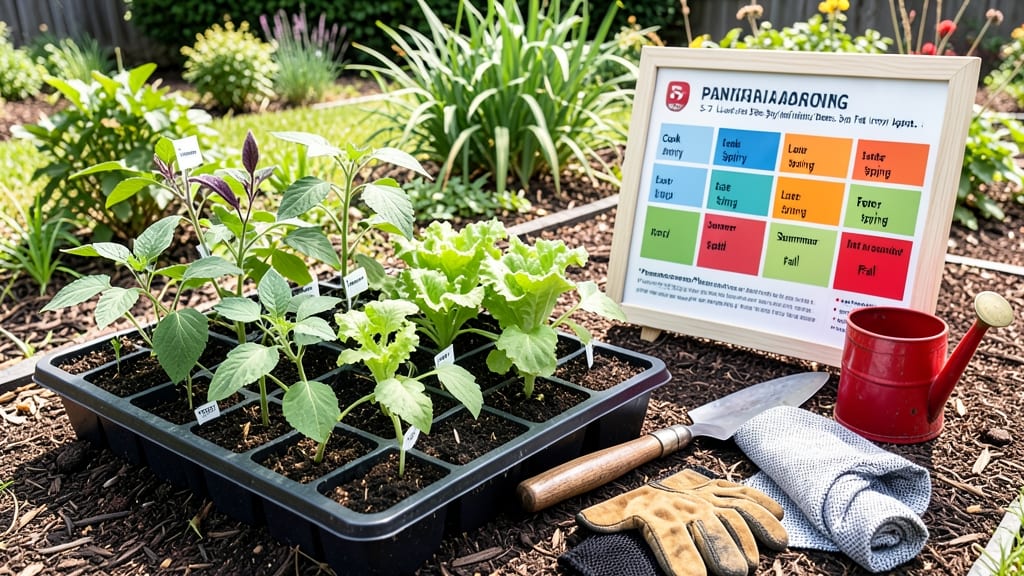
Planting your garden in Pennsylvania at the right time is the difference between a bountiful harvest and a sad pile of wilted seedlings.
Pennsylvania’s diverse climate—from frosty Appalachian valleys to humid river valleys—means planting your garden at the wrong time can spell disaster for your harvest. Get the timing wrong, and you’ll either freeze tender seedlings or watch them wilt in summer heat.
With USDA zones ranging from 5b to 7a, the last frost date shifts from late April in the north to early April in the south.
That’s why knowing your zone and the ideal planting window for cool-season crops like spinach or warm-season favorites like tomatoes is the key to success.
In this guide, I’ll break down the exact months to plant General Garden Plants 🌱 for peak harvests, regional variations (like Pittsburgh vs. Philadelphia), and pro tips to extend your growing season—so you can enjoy fresh produce from spring to fall.
Pennsylvania planting zones: when to plant by hardiness Zone (5a-7a)
Pennsylvania spans USDA hardiness zones 5a through 7a, creating a gardener’s challenge of balancing early frosts in the north with long, hot summers in the south.
The last spring frost can arrive as early as March 15 in Zone 7a (southern PA) or as late as May 1 in Zone 5a (northeast PA). These differences mean your tomato seedlings might thrive in Lancaster but shiver in Scranton if planted too soon.
Understanding your specific zone isn’t just about avoiding frost—it’s about matching plants to your region’s growing season length. For example, peppers need 90+ frost-free days, so they’ll bolt in Zone 5a if planted too early.
Meanwhile, spinach and kale can handle light frosts, making them ideal for early spring or fall planting across all zones.
In Zone 5a (think Erie or Scranton), the growing season is short—only about 140 frost-free days. This means you’ll need to focus on fast-maturing varieties like bush beans (50 days) or early cabbage (60 days).
For warm-season crops, wait until soil temperatures hit 60°F (usually late May) to avoid stunted growth.
By contrast, Zone 7a (southern PA, near Harrisburg or Lancaster) enjoys 180+ frost-free days, allowing for two full growing seasons. Here, you can plant tomatoes in early April and still harvest into October or November.
However, the hot summers mean you’ll need to provide afternoon shade for heat-sensitive plants like lettuce or spinach during July and August.
For cool-season crops like broccoli or peas, aim to plant 4-6 weeks before your last frost date. In Zone 5a, that’s mid-March, while in Zone 7a, you can start as early as February.
Use row covers to protect tender seedlings from late frosts, which can still occur in April even in warmer zones.
Warm-season plants like tomatoes and peppers are trickier. In Zone 5a, wait until after Memorial Day
Zone-specific planting calendar: month-by-month deadlines for peak harvests
Timing is everything in Pennsylvania’s garden—where last frost dates can vary by 3 weeks from the Poconos to Philadelphia. Missing these monthly deadlines means shorter harvests or struggling seedlings.
I’ve broken it down by cool-season crops (spring/fall) and warm-season crops (summer) so you can plan for continuous harvests all year.
For Zones 5a-6b (most of PA), your last frost typically falls between April 15 and May 1, while Zone 7a (southern PA) sees frost-free soil by April 1. Use these deadlines to align your planting with soil temperatures and moisture levels—critical for seed germination and transplant success.
- 1 March: Start cool-season crops indoors (lettuce, spinach, kale). Direct-sow peas and radishes when soil reaches 40°F.
- 2 April: Plant potatoes, onions, and carrots 2-3 weeks before last frost. Harden off tomato and pepper seedlings for late-April transplanting.
- 3 May: Transplant warm-season crops (tomatoes, peppers, cucumbers) after soil hits 60°F. Succession-sow bush beans and zucchini every 2 weeks.
- 4 June: Direct-sow fall crops (spinach, kale, lettuce) for late-summer harvests. Mulch strawberries and herbs to retain moisture.
- 5 July: Plant garlic for fall harvest and succession-sow bush beans. Watch for pests (Japanese beetles, squash bugs) and treat early.
- 6 August: Sow cool-season crops (broccoli, cabbage, peas) for fall harvests. Harvest warm-season crops before first frost.
- 7 September: Plant garlic, spinach, and kale for overwintering. Cover tender perennials (like asparagus) with mulch.
Pro tip: Use succession planting—sowing every 2-3 weeks—to keep harvests flowing. For example, plant bush beans in May, June, and July for a staggered harvest through September. This works for lettuce, radishes, and carrots too!
For Zone 7a (southern PA), extend your warm-season crops by 2-3 weeks later. Black plastic mulch can warm soil faster, helping tomatoes and peppers thrive earlier. Just remove it by July 1 to avoid overheating roots.
Mark your calendar with these monthly deadlines—they’re your ticket to a bountiful, continuous harvest from spring to fall. Miss them, and you’ll be scrambling to salvage a sparse garden by summer’s end.