
Planting
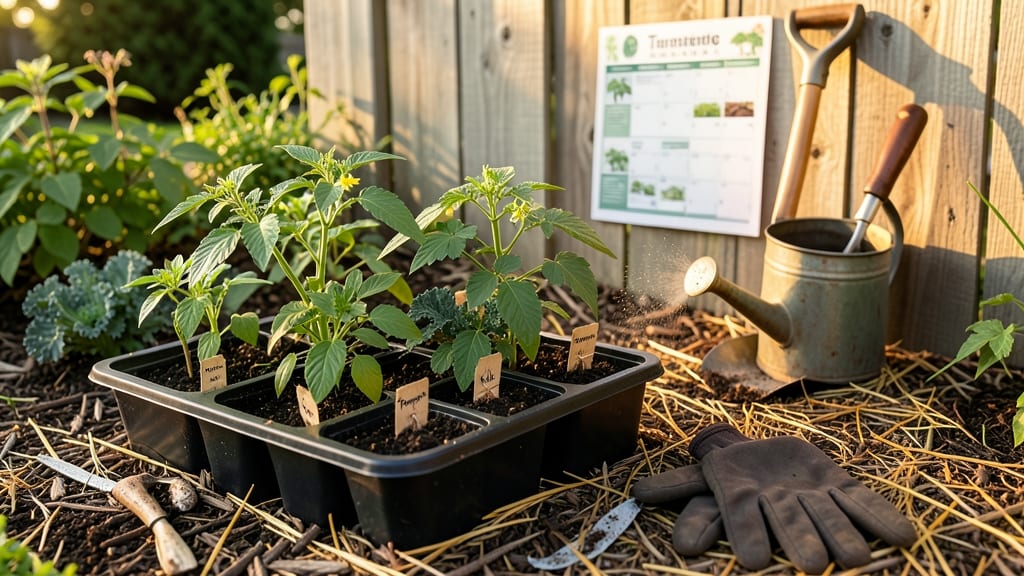
Planting your garden in Tennessee at the right time means the difference between a bountiful harvest and a season of frustration.
Tennessee’s diverse climate—from humid subtropical valleys to cooler highland regions—means your garden’s success hinges on planting at the perfect time. Get the wrong timing, and you risk stunted growth, pests, or even total crop failure.
But with the right zone-specific schedule, you can maximize yields and enjoy fresh produce all season long.
In zones 6a-7b, the average last frost date lands around March 15, but that’s just the starting point. Cool-season crops like lettuce and peas need to go in 4-6 weeks before that date, while tomatoes and peppers should wait until 2-3 weeks after the frost has passed.
Miss the window, and you’ll be playing catch-up for months.
Below, I break down the exact months to plant everything from azaleas to zucchini, plus how to adjust for Tennessee’s unpredictable weather. No more guessing—just a foolproof schedule for your best garden yet.
Tennessee planting zones & ideal start dates by region (2024)
Tennessee spans USDA zones 6a through 7b, creating unique microclimates where Nashville’s urban heat contrasts with Chattanooga’s mountain chill. Understanding these zones helps you time cool-season crops like broccoli before March’s last frost and warm-season staples like tomatoes after April’s soil warmth.
Even a 2-week delay can mean the difference between thriving azaleas and bolted lettuce.
Your last frost dates shift dramatically: Zone 6a (eastern TN) averages March 20-25, while Zone 7b (Memphis area) sees frost as late as April 5. This variance means Chattanooga gardeners can plant peas in February, while Nashville growers wait until mid-March.
Always check your local Cooperative Extension Service for updates—2024’s unpredictable weather demands flexibility.
| Region (Zone) | Avg Last Frost | Cool-Season Start | Warm-Season Start | Key Adjustments |
|---|---|---|---|---|
| East TN (6a) | March 20-25 | Feb 15 - Mar 1 | Apr 15 - May 1 | Mountain areas: Wait 1-2 weeks longer |
| Middle TN (6b-7a) | Mar 25 - Apr 5 | Mar 1 - Mar 15 | Apr 1 - Apr 15 | Urban heat islands: Start warm crops earlier |
| West TN (7b) | Apr 5 - Apr 10 | Feb 28 - Mar 10 | Mar 20 - Mar 30 | Longer growing season: Double-crop tomatoes |
For cool-season crops like kale, spinach, and carrots, I recommend starting seeds 4-6 weeks before your last frost. In Zone 6a, that means mid-February for hardy greens, while Zone 7b gardeners can begin in early March.
Use row covers to extend these windows—my cabbage thrives when planted in late January under protection.
Warm-season crops demand soil temperatures above 60°F. Test with a soil thermometer—waiting for 65°F+ ensures strong tomato and pepper starts.
In Nashville (Zone 7a), this typically happens by mid-April, but Chattanooga’s Zone 6b may need to wait until late April. Transplant shock is less likely when roots adjust gradually to warmer soil.
Microclimates play tricks—your south-facing slope might warm up 2 weeks earlier than the rest of your yard. I’ve seen squash planted on April 10 in full sun while shady garden beds still needed row covers until May 1.
Observe your space: Azaleas in Zone 7b bloom earliest in low-lying areas, signaling safe planting for peppers.
Don’t overlook fall planting—Tennessee’s mild winters allow broccoli, kale, and radishes to thrive when seeded August 15-September 15. Zone 6a gardeners should aim for earlier dates (late July), while Zone 7b can extend until early October.
My fall lettuce often outproduces spring crops because pests are fewer and soil moisture stays consistent.
Pro tip: Use succession planting to stretch harvests. In Zone 7a, I sow bush beans every 2 weeks from May to July, ensuring a steady supply. For heat-sensitive crops like cucumbers, start seeds indoors in late March and transplant after last frost.
This 2-step process gives vines a 3-week head start over direct-sown plants.
When in doubt, harden off seedlings for 7-10 days before transplanting. I’ve lost tomato plants to temperature shock when moving them too quickly from greenhouses to garden beds.
Gradual exposure to wind and sun builds resilience—critical for Tennessee’s unpredictable spring weather. Keep a planting journal to track what works each year.
Remember: First frost typically arrives between November 1-15, but Zone 6a can see frost as early as October 20.
Protect tender herbs like basil by October 15 or move them indoors. Perennials like lavender and rosemary often survive mild winters but may need mulch protection in Zone 6a. Adjust your
How to adjust planting times for Tennessee’s unpredictable weather patterns
Tennessee’s unpredictable spring frosts and sudden summer heatwaves can throw off even the most experienced gardeners. I’ve learned the hard way—planting tomatoes too early in Nashville’s Zone 7a means watching them blacken overnight.
The key is flexibility: knowing when to delay, protect, or replant based on real-time conditions, not just calendar dates.
Start by monitoring soil temperatures with a soil thermometer—most warm-season crops like peppers and cucumbers need soil at 60-65°F before planting. In my garden, I’ve seen March soil temps swing from 45°F to 70°F in just a week.
Use row covers or cold frames to buy time for late spring plantings, especially in higher elevations like the Cumberland Plateau.
⚠️ callout-warning
🌡️ Late Frost Alert: Don’t Rush Your Planting!
Tennessee’s average last frost is March 15, but late frosts can hit as late as April 15 in Zone 6a. Warm-season crops like tomatoes and squash planted too early will bolt or die. Wait until after May 1 in most regions—or use row covers for a 2-week buffer.
💡 Pro Tip: Sign up for local frost alerts from your Cooperative Extension Service (e.g., UT Extension or UT AgResearch). I’ve saved $50+ worth of seedlings by acting on these warnings!
For high-value crops like bell peppers and eggplants, I plant two batches: the first 2 weeks after last frost and a backup batch in June if the first fails.
This succession planting strategy ensures I always have fresh harvests through summer. Heat-loving crops like okra and sweet potatoes can handle Tennessee’s 90°F+ summers, but they need consistent moisture—I water deeply every 2-3 days during droughts.
Don’t overlook fall planting either. Broccoli and kale thrive in cool September soil and can survive light frosts. I’ve had harvests until November by planting 6 weeks before first frost (typically October 15). Use straw mulch to insulate roots and extend the season by 3-4 weeks.
If you’re new to Tennessee gardening, start with cold-hardy crops like spinach and radishes in early spring—they’re forgiving if you misjudge timing. For tender plants, like basil and zucchini, keep potted backups ready to transplant if a late frost threatens.
I’ve even used black plastic mulch to warm soil faster in slow-starting springs.
Remember, Tennessee’s microclimates vary wildly. A southern slope in Memphis (Zone 8a) might be 2 weeks ahead of a north-facing garden in Knoxville (Zone 7a). Observe your specific location for 3 years to refine your planting calendar.
With these adjustments, you’ll beat the weather and grow a bountiful garden—no matter what Mother Nature throws your way. 🌱