
Planting
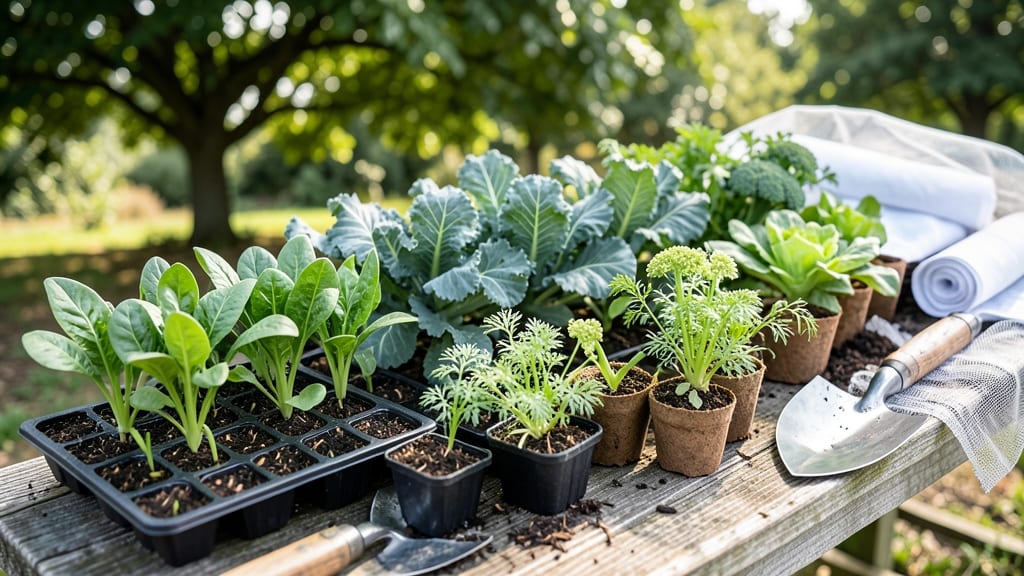
Planting a garden in Upstate NY means timing your first seeds after the last frost date—usually mid-May for Zone 6B and early May for Zone 7A.
Upstate NY gardeners know timing is everything—plant too early and frost will strike, too late and your harvest suffers. Missing the frost-free window by even a week can mean the difference between a thriving garden 🌱 and a failed crop.
This isn’t just about avoiding frost; it’s about matching your plants to the short growing season and soil temperatures. Warm-season crops like tomatoes need soil at 60°F or higher, while cool-season greens can handle cooler starts.
Below, I’ll break down the exact dates for your zone, how to adjust for microclimates, and the 3 biggest mistakes that ruin Upstate NY gardens every year—so you can start confidently and harvest like a pro.
Upstate NY frost-free deadlines by zone (6B vs 7A): exact planting dates
Understanding your USDA hardiness zone is critical for Upstate NY gardeners. Zone 6B (Syracuse, Albany) has last frost dates around May 15, while Zone 7A (Rochester, Buffalo) typically sees frost-free conditions by May 1.
These dates shift based on 10-year averages, so always verify with local weather data before planting.
Warm-season crops like tomatoes and peppers need soil temperatures above 55°F to thrive. In Zone 6B, wait until late May for direct sowing, while Zone 7A gardeners can start 2 weeks earlier.
Cool-season crops like spinach and carrots tolerate frost and can be planted as early as March under row covers.
Here’s a breakdown of your frost-free planting windows for both zones, including historical averages and crop-specific timelines to maximize your harvest.
Pro Tip: Use a soil thermometer to confirm warmth before planting heat-loving crops. A 50°F soil temp is ideal for cool-season veggies, while 60°F+ is needed for tomatoes and peppers.
| Crop Type | Zone 6B (Syracuse/Albany) | Zone 7A (Rochester/Buffalo) | Notes |
|---|---|---|---|
| Warm-Season Crops (Tomatoes, Peppers, Cucumbers) | After May 15 (soil 60°F+) | After May 1 (soil 60°F+) | Start indoors 4-6 weeks before last frost |
| Cool-Season Crops (Spinach, Carrots, Lettuce) | March–April (under cover) or after May 15 | March–April (under cover) or after April 20 | Successive plantings every 2 weeks for continuous harvest |
| Herbs (Basil, Cilantro, Dill) | After May 15 (basil) or March (cilantro) | After April 20 (basil) or March (cilantro) | Basil bolts in heat; plant in partial shade in summer |
| Flowers (Marigolds, Zinnias, Sunflowers) | After May 1 (direct sow) | After April 15 (direct sow) | Sunflowers need full sun; marigolds deter pests |
| First Frost Dates (Fall) | October 15 (Zone 6B) | October 5 (Zone 7A) | Plant cool-season crops by September for fall harvest |
For Zone 6B, gardeners in areas like Syracuse or Albany should plan for a shorter growing season. Start cool-season crops indoors in February and use row covers to extend harvests into October.
In Zone 7A, cities like Rochester and Buffalo enjoy 2 weeks earlier frost-free dates, allowing for longer warm-season growing.
Always monitor local weather forecasts—a late frost in May can devastate young plants. I’ve seen tomato seedlings wiped out by a 32°F dip in early June, even in Zone 7A. To mitigate risks, harden off seedlings gradually and keep emergency row covers on hand.
Fall planting is equally critical. In both zones, broccoli and kale thrive when sown by August 15. These cool-loving crops sweeten after frost, making them perfect for Upstate NY’s autumn harvests
How to adjust planting timing for Upstate NY’s microclimates and soil conditions
Upstate NY’s diverse landscapes—from the Catskills’ high-altitude valleys to Rochester’s urban heat islands—create microclimates that can shift planting windows by 2–4 weeks. Even within a single county, your backyard might experience warmer temperatures than your neighbor’s due to soil type, elevation, or pavement heat absorption.
Understanding these variations lets you extend growing seasons and avoid frost damage.
Soil type plays an equally critical role. Clay-heavy soils in western NY retain moisture but cool slowly in spring, while sandy soils in the Adirondacks warm faster but dry out quicker.
These differences mean adjusting planting dates by up to three weeks depending on where you garden. Let’s break down how to fine-tune your schedule for your specific conditions.
- 1
- 2
- 3
- 4
- 5
- 6
For urban gardeners, pay attention to concrete and pavement radiating heat—this can create microclimates where tomatoes or peppers thrive 2 weeks earlier than in surrounding areas. Install a soil thermometer to track temperature changes; aim for 60°F for warm-season crops before planting.
In rural areas, wind exposure can delay planting by 1–2 weeks, so use windbreaks like cornstalks or burlap.
Don’t overlook fall planting adjustments. In Zone 6B, you can often plant kale or radishes until mid-October with row covers, while Zone 7A may extend this to early November.
Test your soil’s drainage capacity—waterlogged conditions in clay soil can rot roots even in cool weather. Amend with organic matter like leaf mold to improve structure and warmth retention.
Pro tip: Keep a gardening journal for 2–3 years to track your local microclimate’s quirks. Note when frost dates shift, how long your cold frames retain heat, and which soil amendments work best.
This data becomes your personalized planting calendar, far more reliable than generic almanac dates. With these adjustments, you’ll maximize your Upstate NY garden’s potential—no matter where you’re planting. 🌱