
Planting
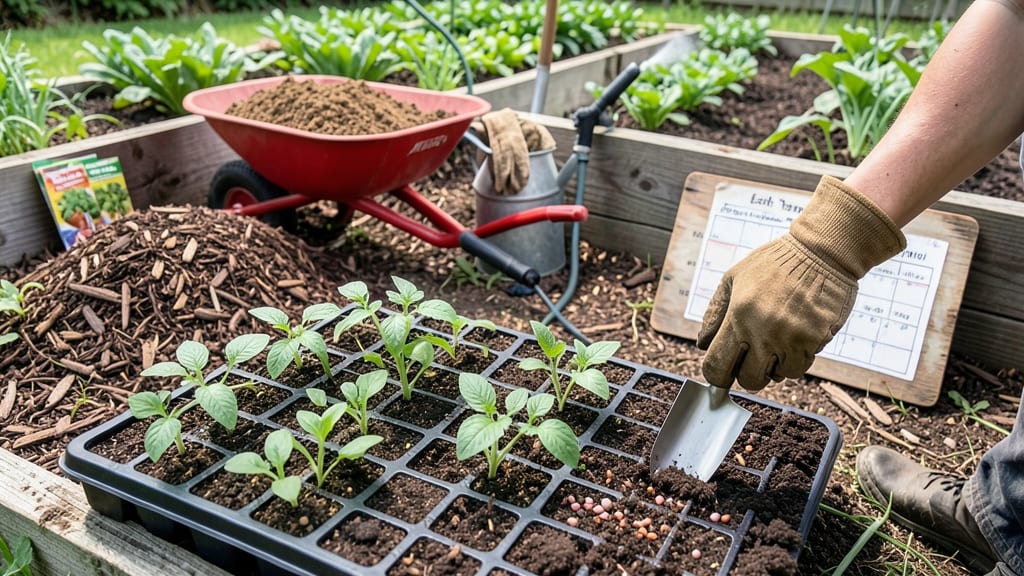
To plant a garden in East Tennessee, timing is everything—your Zone 6a-7a climate demands precision to avoid frost damage or missed harvests.
Picture this: you’ve prepped the soil, ordered seeds, and cleared your schedule for gardening days—only to watch a late frost wipe out your tender seedlings. Or worse, you wait too long, and summer heat arrives before your tomatoes even set fruit.
East Tennessee’s microclimates (mountains vs. valleys) add another layer of complexity, making a one-size-fits-all approach risky.
This guide cuts through the guesswork with exact planting windows for vegetables, flowers, and herbs, tailored to your region’s average last frost (mid-April) and first frost (mid-October).
Whether you’re sowing cool-season crops like spinach in March or warm-season tomatoes in May, you’ll know when to act to maximize your harvest.
Discover the month-by-month calendar that aligns with East Tennessee’s growing seasons, plus pro tips for adjusting schedules based on elevation, soil temperature, and local weather quirks. Ready to turn your garden into a thriving 🌱 powerhouse?
East Tennessee Zone 7b planting calendar: exact months for vegetables, flowers, and herbs
Timing is everything in East Tennessee’s Zone 7b climate, where last frost dates average April 15 and first frost arrives around October 15. Plant too early, and frost will nip your seedlings.
Wait too long, and you’ll miss peak harvest windows. Below is your month-by-month guide to planting vegetables, flowers, and herbs for maximum success.
Soil temperature matters just as much as air temperature. Most warm-season crops (like tomatoes and peppers) need soil at 60°F or warmer to thrive. Meanwhile, cool-season crops (such as spinach and peas) can handle cooler soils and even light frosts.
Use a soil thermometer to check before planting—it’s your best tool for precision.
Spring planting kicks off in March for hardy crops, while fall planting begins in August to take advantage of cooler temperatures. Perennials, like lavender and rosemary, can be planted year-round, but early spring or fall gives them the best start. Below, I’ve broken down the exact windows for each category.
| Category | Planting Window | Key Examples | Notes |
|---|---|---|---|
| Cool-Season Vegetables | March 1–April 15 (Spring) August 1–September 15 (Fall) |
Spinach, Peas, Lettuce, Kale, Radishes, Broccoli | Plant 4–6 weeks before last frost. Use row covers for frost protection. |
| Warm-Season Vegetables | May 1–June 15 (After soil reaches 60°F) | Tomatoes, Peppers, Cucumbers, Beans, Corn, Eggplant | Start seeds indoors 6–8 weeks before last frost or buy transplants. |
| Annual Flowers | March 15–April 30 (Spring) July 15–August 15 (Fall) |
Marigolds, Snapdragons, Petunias, Zinnias, Pansies | Pansies tolerate light frost; zinnias bloom best in warm weather. |
| Perennial Flowers | March 15–April 30 (Spring) or September 1–October 15 (Fall) | Lavender, Coneflowers, Black-Eyed Susans, Daylilies | Plant in well-draining soil; mulch after planting to retain moisture. |
| Herbs | March 1–April 15 (Cool-Season: Parsley, Cilantro) May 1–June 15 (Warm-Season: Basil, Oregano, Thyme) |
Basil, Parsley, Cilantro, Rosemary, Thyme, Sage | Basil needs warm soil; parsley thrives in cooler temps. Harvest regularly to encourage growth. |
| Succession Planting | Every 2–3 weeks from April–July | Lettuce, Radishes, Bush Beans, Carrots | Extend harvests by planting small batches every few weeks. |
For vegetables like tomatoes and peppers, wait until the soil is at least 60°F before planting. These warm-season crops are frost-sensitive, so don’t rush them. Start seeds indoors 6–8 weeks before your last frost date (around March 1 for East Tennessee) to give them a head start.
Transplant seedlings outdoors after the danger of frost has passed, typically by May 1.
If you love cool-season crops like spinach and peas, plant them 4–6 weeks before your last frost (around March 1). These crops can handle light frosts, but avoid planting too early—cold, wet soil can stunt growth.
Use row covers or cold frames to extend your growing season into early spring or late fall.
Annual flowers like marigolds and zinnias add color and attract pollinators. Plant cool-loving varieties (such as pansies) in March for early blooms, while warm-season flowers (like zinnias) should go in after May 1. For a continuous bloom, stagger plantings every 2–3 weeks throughout the season.
Don’t overlook perennial herbs and flowers like lavender and rosemary. These plants thrive in East Tennessee’s climate and can be planted in early spring or fall.
How to adjust planting times for East Tennessee’s microclimates and frost risks
East Tennessee’s mountain valleys and high-elevation plateaus create dramatic microclimates—think Knoxville’s 1,000-foot elevation vs. Chattanooga’s river-level warmth. These variations can shift your last frost date by 2–3 weeks, making local adjustments critical. For example, Gatlinburg’s Zone 6a often sees frost 2 weeks later than Chattanooga’s Zone 7b.
To navigate these differences, I rely on NOAA’s local frost forecasts and USDA Plant Hardiness Zone maps. Check NOAA’s Climate Data for your specific county elevation—this tells you exactly when to push your warm-season crops like tomatoes or peppers into the ground.
In high-elevation areas, I delay planting until May 15 for heat-loving plants, while valley gardens can start as early as April 20.
High-elevation areas (e.g., Knoxville, Sevier County) often experience late spring frosts even after April 15. Use row covers or cold frames to protect tender seedlings like basil or cucumbers until May 10. In valleys (e.g., Chattanooga, Cleveland), first frost can arrive as early as October 5—plan your fall succession plantings by August 20 for a second harvest.
Extend your growing season with season-extending tools like floating row covers or low tunnels. These can add 2–4 weeks to your spring planting window and 6–8 weeks to your fall harvest.
For example, I use agricultural fabric row covers to plant spinach and kale as early as February 15 in protected beds, while uncovered beds wait until March 15.
Succession planting is another game-changer. Instead of planting all your lettuce or radishes at once, stagger weekly sowings every 10–14 days from March through May. This ensures a continuous harvest and reduces waste. Pair this with interplanting—like radishes with carrots—to maximize space and soil utilization.
For perennial flowers and herbs, timing matters less but still requires attention. Plant lavender and rosemary in early spring (March) or early fall (September) to establish roots before summer heat or winter dormancy. In high-elevation zones, I’ve found fall planting often yields hardier plants by October.
Finally, monitor soil temperatures with a soil thermometer—warm-season crops like peppers need 60°F+ soil, while cool-season crops thrive at 40–50°F. In Chattanooga’s Zone 7b, soil hits 60°F by April 10, but in Gatlinburg’s Zone 6a, it may take until May 1.
Adjust your schedule accordingly to avoid stunted growth or bolting.
By accounting for microclimates, frost risks, and season-extending tools, you’ll turn East Tennessee’s challenging climate into your garden’s superpower. 🌱