
Planting
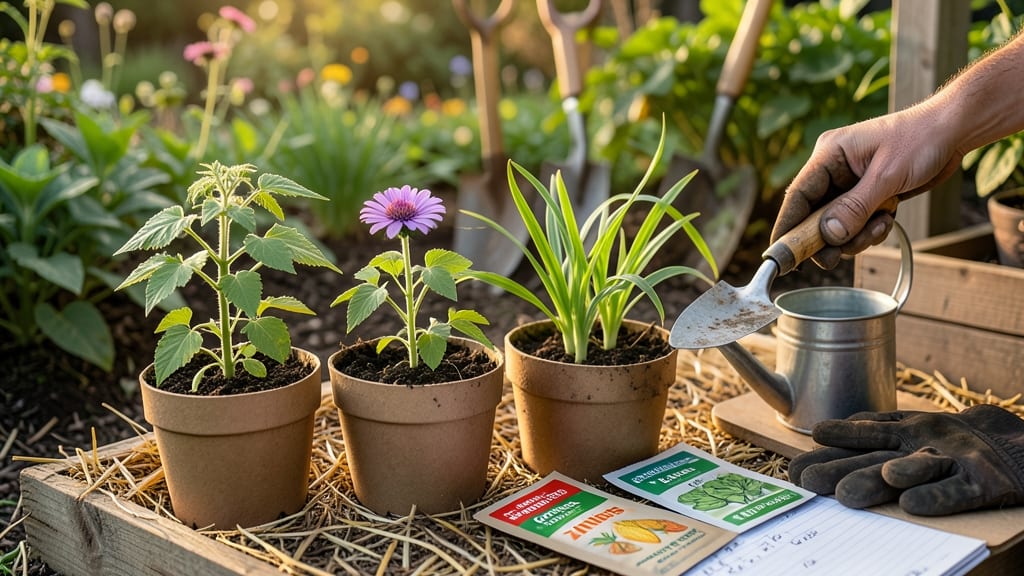
Planting your garden in WV at the right time means the difference between a bountiful harvest and a sad, frost-nipped failure.
West Virginia’s mountains and valleys create wildly different planting windows—what works in Charleston won’t fly in the Appalachians. Miss the mark, and you’ll either have stunted seedlings or plants bolting before they ripen.
Below, I break down the exact spring and fall planting dates for your USDA zone, plus how to adjust for elevation, soil type, and even your backyard’s microclimate. No more guessing: just proven timing for everything from kale to tomatoes.
You’ll also learn how to stretch your season with cold frames, when to start seeds indoors, and the one mistake that ruins more gardens than frost does. Let’s get those seeds in the ground the smart way.
WV planting dates by USDA hardiness Zone (2024 guide)
West Virginia spans USDA Zones 5b through 7a, creating distinct planting windows based on elevation and microclimates. Mountainous regions like Pocahontas County (Zone 5b) have earlier frosts than valley areas like Charleston (Zone 7a).
Understanding these zones helps you time seed starting, transplanting, and direct sowing for maximum success.
Cool-season crops like kale and spinach thrive in spring and fall, while tomatoes and peppers need warm soil and frost-free periods. Below, I’ve broken down average last-frost dates and planting windows for each zone, with adjustments for highland vs. valley gardens.
Use this zone-specific guide to avoid common mistakes like planting warm-season crops too early or cool-season crops too late. For example, Zone 6b gardens (like Morgantown) can start tomatoes 2-3 weeks earlier than Zone 5b areas.
| Zone | Last Frost (Avg.) | First Frost (Avg.) | Cool-Season Start | Warm-Season Start | Frost-Free Days |
|---|---|---|---|---|---|
| 5b (Highlands) | May 10–15 | Oct 5–10 | Mar 15–Apr 1 | May 20–Jun 1 | 150–160 days |
| 6a (Northern Valleys) | Apr 25–May 5 | Oct 15–20 | Mar 1–Mar 15 | May 1–May 15 | 170–180 days |
| 6b (Central WV) | May 1–May 10 | Oct 20–25 | Feb 28–Mar 15 | Apr 25–May 10 | 180–190 days |
| 7a (Southern Valleys) | Apr 15–Apr 25 | Nov 1–Nov 5 | Feb 15–Feb 28 | Apr 15–Apr 30 | 200–210 days |
For Zone 5b gardens (e.g., Lewisburg or Elkins), start cool-season crops indoors by February 15 and transplant after May 15 to avoid frost.
In Zone 7a (e.g., Charleston), you can direct-sow spinach as early as February 1 and enjoy longer growing seasons for warm crops like sweet potatoes.
Adjust these dates if you use row covers or cold frames—they can extend your spring planting window by 3–4 weeks. For example, in Zone 6b, you might transplant peppers under row covers by April 15 instead of waiting for May 1.
Warm-season crops like tomatoes and cucumbers need soil temperatures above 60°F. In Zone 5b, wait until May 20 to plant; in Zone 7a, you can start as early as April 15. Use a soil thermometer to confirm readiness—cool, wet springs delay planting.
How to adjust planting timing for WV’s microclimates
West Virginia’s dramatic elevation changes create unique growing conditions that can shift planting windows by 2-4 weeks depending on location.
High-elevation areas like the Monongahela National Forest often experience later last frosts (May 15-June 1) compared to river valleys where Charleston’s urban heat island can push planting dates 10-14 days earlier than surrounding areas.
Understanding these microclimates lets you extend growing seasons, protect tender plants, and choose varieties that thrive in your specific conditions. Whether you're gardening in the Appalachian foothills or along the Ohio River Valley, small adjustments can mean the difference between a bountiful harvest and wasted efforts.
- 🏔️ High Elevation (3,000+ ft): Start cool-season crops 4-6 weeks earlier (late February) using cold frames. Warm-season plants like tomatoes need row covers until May 20.
- 🏙️ Urban Heat Islands (Charleston/Huntington): Plant warm-season crops 2 weeks earlier (mid-April) and extend fall planting until October 15 with heat-tolerant varieties like Okra or Sweet Potatoes.
- 🌊 River Valleys (Ohio River): Take advantage of earlier soil warming—plant peas and lettuce by March 1 and warm crops by April 15. Use shade cloth for heat-sensitive plants in July.
- 🌡️ Microclimate Tools: Cold frames add 2-3°F warmth; row covers delay frost by 2-4 weeks. Choose dwarf varieties (e.g., Bush Beans) for compact growing in urban spaces.
- 📅 Frost Date Adjustments: High elevations may see frost until May 30, while valleys can have frost-free periods by April 15. Monitor local weather stations for real-time updates.
For high-elevation gardens, I recommend using cold frames to start seeds in late February for cool-season crops like kale and spinach. These structures can raise soil temperatures by 5-10°F, giving you a 6-8 week head start on the growing season.
Pair this with black plastic mulch to further warm the soil for tomatoes and peppers planted in early May.
In urban areas like Charleston, the heat island effect can push planting dates earlier, but it also means you’ll need to focus on heat-tolerant varieties. Try Malabar spinach or Swiss chard, which thrive in temperatures up to 95°F.
For river valleys, prioritize fast-maturing crops like bush beans (50-60 days to harvest) to avoid summer heat stress.
Always check your specific microclimate by observing local patterns for 3 years. Note when frost occurs, how long soil stays warm, and which plants thrive naturally. This data will help you fine-tune your planting schedule year after year for maximum productivity.