
Planting
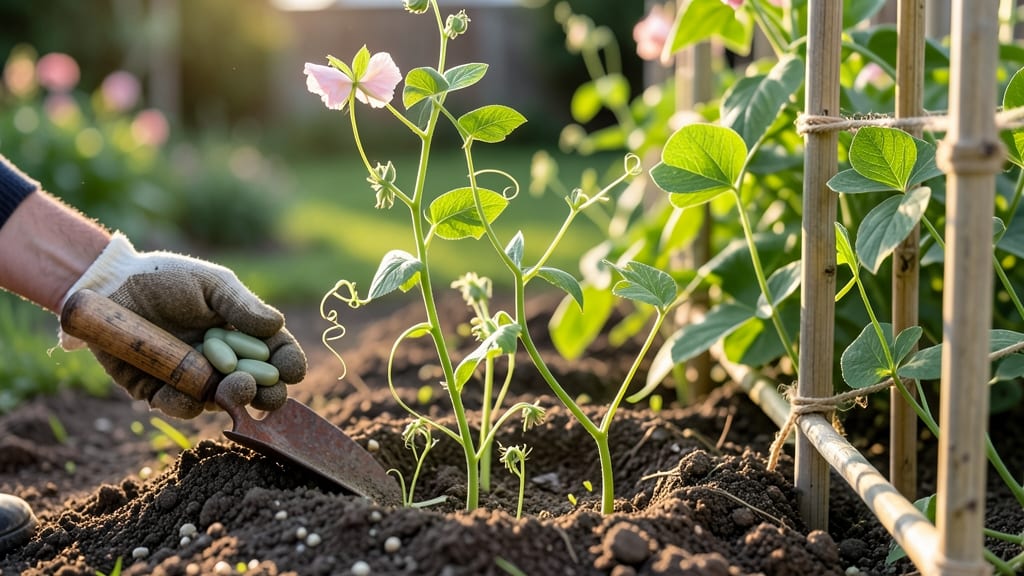
To plant garden peas at the right time means catching that sweet spot between chilly soil and scorching heat—and missing it can leave you with seeds that never sprout.
Picture this: you’ve spent weeks dreaming of crisp, sweet peas straight from your garden, only to watch your seeds rot in the ground because the soil was too warm.
Or worse, they pop up too late, only to bolt in the summer heat. The key? Timing is everything, and soil temperature is the secret weapon most gardeners overlook.
Garden peas 🌱 thrive in cool weather, which is why early spring—2-4 weeks before your last frost—is the prime window for most regions. But here’s the twist: late summer can also work if you’re in a cooler climate, giving you a second chance at a harvest.
The trick is knowing when to pull the trigger, whether you’re in Zone 6a or further south.
In this guide, I’ll break down the fastest way to check soil temps, the best planting windows by region, and how to stretch your growing season without risking your seeds. No more guesswork—just a foolproof plan for peas that germinate in days, not weeks.
Optimal soil temperature for planting garden peas
Garden peas (Pisum sativum) are cool-season crops that thrive when soil temperatures hover between 40°F and 85°F. This range ensures fast germination and robust growth, but most varieties prefer the cooler end of the spectrum (50°F to 70°F) for best results.
Planting too early or too late can lead to slow sprouting, stunted plants, or even seed rot—so checking your soil temperature before sowing is non-negotiable.
Pea seeds require consistent moisture and warm-but-not-hot soil to break dormancy. If your soil is below 40°F, seeds may rot before germinating. Conversely, temperatures above 85°F can cause seeds to dry out or fail to sprout altogether.
The sweet spot for most gardeners is 55°F to 65°F, where germination typically occurs within 7–14 days.
To test your soil temperature accurately, use a soil thermometer (available for under $10). Insert the probe 2–3 inches deep—the depth where pea seeds are planted—and check readings in the morning.
If your soil is too cold, consider using black plastic mulch or a cold frame to warm it up by 5–10°F. For hot climates, opt for shade cloth or plant in late summer when temperatures naturally drop.
Regional planting windows vary dramatically. In cooler climates (Zones 3–6), aim for early spring planting (2–4 weeks before your last frost date) or late summer (8–10 weeks before first frost). For warmer zones (Zones 7–10), focus on fall planting when daytime highs drop below 80°F.
Pro tip: Sugar snap peas and snow peas tolerate slightly warmer soil than shelling peas, making them better candidates for late-season plantings.
If your soil is too cold, try soaking seeds overnight in lukewarm water to kickstart germination. For slow-draining soil, mix in compost or perlite to improve aeration and warmth retention. Avoid planting peas in waterlogged soil, as this can cause root rot and seed loss.
Always choose a sunny, well-drained spot with 6+ hours of sunlight daily—peas need light to thrive, even if they prefer cooler temps.
Monitor soil temps for 3–5 days before planting to account for daily fluctuations. Early mornings are the best time to check, as temps drop overnight. If you’re in Zone 10 or warmer, consider succession planting every 2–3 weeks in fall to extend your harvest.
Just remember: peas hate heat, so avoid planting during summer’s peak unless you’re using shade solutions.
For container gardening, use black pots to absorb and retain heat, or place containers on south-facing surfaces. If your soil is consistently too cold, try straw mulch (2–3 inches thick) to insulate roots while keeping moisture levels stable.
Always water deeply but infrequently—peas prefer consistent moisture over soggy soil, which can lead to disease.
One final tip: Test your soil pH before planting. Peas prefer 6.0–7.0, and soil that’s too acidic (below 6.0) can stunt growth. Amend with lime if needed, but avoid overdoing it—peas are sensitive to high pH levels too.
With the right soil temperature and conditions, you’ll see vigorous seedlings in just 7–10 days!
Best planting times by US hardiness Zones (with frost protection tips)
Garden peas 🌱 love cool weather, so your USDA hardiness zone determines whether you plant in early spring or late summer. In Zones 2-5, focus on early spring (March-April) to avoid summer heat, while Zones 6-10 can try a fall crop.
The key is planting 4-6 weeks before your last frost for spring or 8-10 weeks before first frost for fall.
For example, gardeners in Zone 3 should plant in late April, while those in Zone 8 can start in September. The difference? Soil temperatures must stay between 40-85°F—any hotter, and your seeds will rot.
I’ll show you exactly how to adjust timing based on your zone, plus frost protection tricks to extend your growing season.
If you’re in Zones 2-4, stick to spring planting—fall crops won’t survive the cold. But in Zones 5-10, fall planting works beautifully if you start seeds early enough. For example, in Zone 6, a September planting gives you peas by October before frost hits.
The trick? Use row covers or black plastic mulch to warm the soil and protect tender seedlings.
For late-summer plantings, aim for 8-10 weeks before first frost. In Zone 7, that’s mid-September, while Zone 9 can push it to early October. Always test soil temps with a soil thermometer—if it’s above 85°F, wait a week or two.
I’ve learned the hard way that rushing leads to rotten seeds!
To stretch your season, try succession planting every 2 weeks in spring. This ensures a steady harvest instead of one big rush. For frost protection, cover young plants with lightweight fabric or use a cloche on chilly nights.
In my garden, this extra step means peas that thrive even when temps drop to 28°F.
Remember: Peas hate heat, so avoid planting in summer unless you’re in a high-altitude zone. Instead, focus on cool seasons and use these zone-specific tips to maximize your harvest. With the right timing, you’ll go from wasted seeds to a bountiful pea harvest in no time! 🌿