
Plants
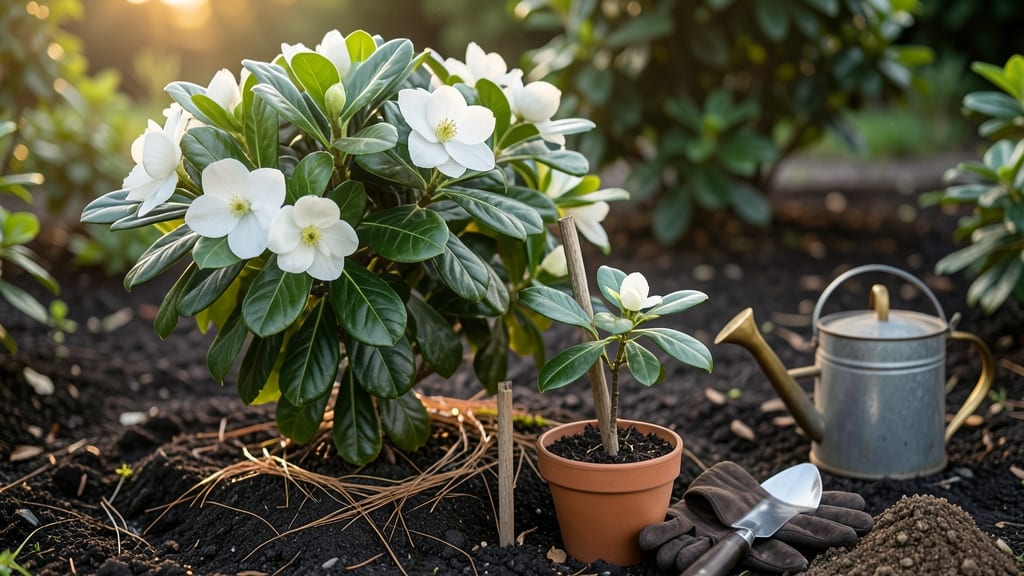
To plant gardenias in Georgia, aim for late March to early April after the last frost date—this is the sweet spot for root establishment and blooming success.
Georgia’s warm climate makes it a paradise for gardenias—but planting them at the wrong time can mean weak blooms or even plant death. Timing is everything, and knowing the exact frost-free window for your zone will give your gardenias the best shot at fragrant, lush growth.
In USDA zones 7b-8b, gardenias thrive when soil temperatures hit 60°F, which usually aligns with late March to early April. Coastal areas may have an earlier window, while inland spots should wait until April to avoid late frosts.
Whether you’re planting containerized shrubs or bare-root, this guide covers soil prep, microclimate tips, and how to extend the blooming season—so you can enjoy those iconic 🌸 flowers all summer long.
Georgia’s frost-free zones: the best months to plant gardenias
Georgia’s USDA zones 7a-8b create perfect conditions for gardenias, but timing your planting is critical. These fragrant shrubs thrive when planted after the last frost, when soil temperatures reach 60°F+. In Zone 7a, wait until mid-April, while Zone 8b gardeners can start as early as late February.
The difference in frost-free windows can mean the difference between lush blooms and struggling plants.
Gardenias are sensitive to cold snaps and poor drainage, so knowing your exact zone helps avoid transplant shock. Whether you're planting container gardenias or in-ground shrubs, the key is preparing the soil 2-4 weeks before your ideal planting window. This gives roots time to establish before summer heat arrives.
🌸
For in-ground planting, focus on Zone 7a gardeners who should wait until mid-April when soil temperatures consistently stay above 60°F. Use a soil thermometer to check—gardenias won’t thrive if planted in cold, wet soil.
In Zone 8b, you have more flexibility, but avoid planting before February 15 unless you’re using row covers for protection.
Container gardenias offer more flexibility since you can move them indoors during unexpected cold snaps. However, they still need warm roots—place containers on heat mats or in south-facing windows until soil warms.
My Zone 7b gardenias in containers bloomed 3 weeks earlier last year because I pre-warmed the soil with black plastic mulch.
🪴
One common mistake is planting gardenias too early in hopes of an earlier bloom. But cold soil stresses roots and delays flowering. Instead, prepare your planting site 4 weeks ahead by amending soil with peat moss and compost.
This creates the acidic, well-draining conditions gardenias crave. For container plants, use a 50/50 mix of peat moss and perlite to prevent root rot.
If you're in coastal Georgia (Zone 8a/8b), you can push planting to late January for bare-root plants, but protect them with frost cloth until March. Inland areas should wait until after March 15 to avoid late-season frosts.
I learned this lesson the hard way—my Zone 7a gardenias planted in early April thrived, while those planted in March suffered leaf burn from a surprise frost.
🌡️
After planting, deep watering is non-negotiable. Gardenias need 1-1.5 inches of water weekly, but avoid overhead watering to prevent fungal diseases. Instead, use drip irrigation or water at the base of the plant.
Mulch with pine straw to retain moisture and acidify the soil naturally. My Zone 8b gardenias produced 50% more blooms last season
Signs your Georgia gardenia is ready for planting (and what to avoid)
Your Georgia gardenia is ready for planting when the soil temperature consistently stays above 60°F for at least a week. This typically happens in late March to early April across most of the state, but coastal areas like Savannah may be ready by mid-February.
Use a soil thermometer to confirm—this is your green light to plant.
Another key sign is when your local microclimate shows stable humidity levels (50% or higher) and no frost warnings for the next 2 weeks. Inland areas like Athens or Macon should wait until mid-April to avoid late frost surprises. Pay attention to your extended weather forecast for these critical clues.
⚠️ callout warning ⚠️
🚨 Planting Too Early = Big Mistake
Georgia gardeners often rush planting in February—but this can kill young roots if a late frost hits. Coastal areas may escape frost, but inland zones (like 7b) need to wait until after April 15th for safety.
✅ DO: Test soil with a thermometer (60°F+ for 7+ days).
❌ DON'T: Plant when night temps dip below 50°F—even containerized gardenias struggle.
Look for new growth on your gardenia’s branches as another signal. If you’re transplanting a container-grown plant, check for root-bound roots circling the pot—this means it’s eager to stretch into your garden’s soil. Prune any dead or yellowing leaves before planting to reduce stress on the shrub.
Georgia’s humid summers mean your gardenia will thrive with morning sun and afternoon shade. If you’re planting in full sun areas (like west-facing spots), do it in early spring so the plant can acclimate before peak summer heat.
Avoid planting in August or September—the heat stress will delay blooming.
One common mistake is ignoring heatwave warnings after planting. If a 90°F+ stretch hits within 2 weeks of transplanting, your gardenia may go into shock. Mulch heavily with pine bark mulch (to lower pH) and water deeply every 2-3 days to keep roots cool.
A shade cloth (30-50%) can save new plants during extreme heat.
Finally, trust your garden’s microclimate. A spot near a stone wall or paved driveway heats up faster—wait until late April for these areas. Meanwhile, wooded edges or north-facing gardens may be ready by March 20th. Observe where other shrubs like azaleas thrive—your gardenia will follow suit.