
Pruning
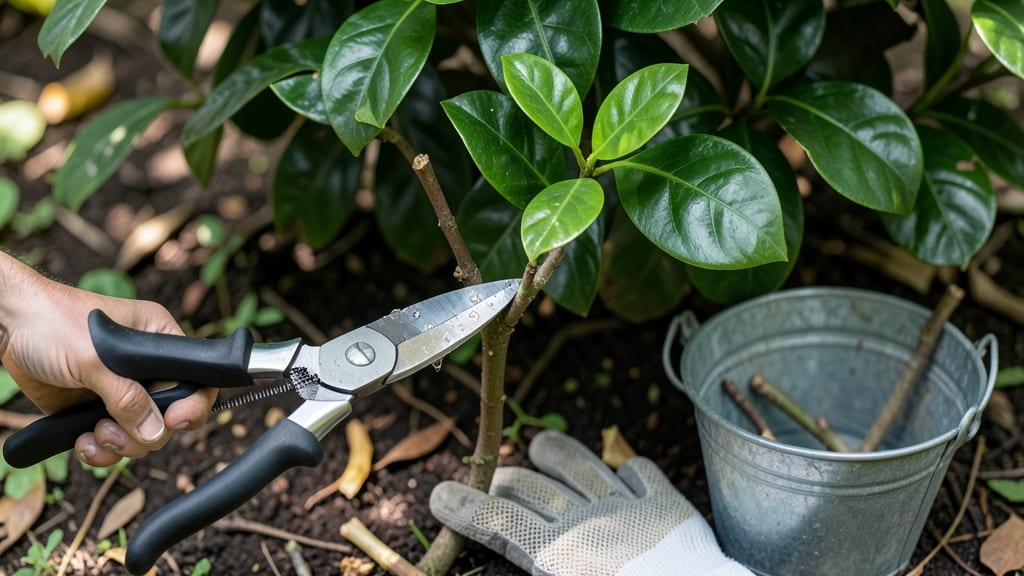
To prune gardenias in Georgia for bigger blooms and healthier growth, aim for late winter—specifically between February 15 and March 15, before buds swell.
Georgia’s humid climate turns gardenias into fragrant stars—but timing your prune wrong can stunt blooms or invite pests. Discover the exact late-winter window and pruning hacks to maximize those iconic white flowers all season long.
Why does this matter? Pruning at the wrong time—like after the last frost—can shock your 🌸 gardenia into early growth, only to be nipped by late cold snaps. Georgia’s 7b-8b zones mean you’ve got a narrow window to shape your shrub without risking damage.
Below, I’ll walk you through the step-by-step process, including how to spot ready-to-prune branches, the tools you’ll need, and post-prune care to keep your gardenia thriving—so you can enjoy those intoxicating blooms from spring through summer.
Best late winter pruning window for Georgia gardenias (with exact dates)
Georgia’s gardenias thrive in our humid subtropical climate, but their pruning window is narrow. Prune too early, and you risk frost damage to new growth.
Prune too late, and you’ll sacrifice next year’s fragrant blooms. The sweet spot? Late winter, when dormant buds form but before spring growth begins.
Your exact timing depends on Georgia’s two distinct microclimates. Coastal areas (like Savannah) enjoy warmer winters, while Piedmont regions (like Athens) face cooler temperatures. I’ll break down the ideal pruning dates for both—plus how to check if your gardenia is ready.
Pro Tip: Gardenias bloom on old wood, meaning this year’s flowers form on last year’s branches. Cut back too aggressively, and you’ll prune away next season’s blooms. Aim to remove only dead or crossing branches while shaping the shrub.
Here’s your Georgia-specific pruning calendar, tailored to your region’s last frost dates and bud formation:
| Region | Ideal Pruning Window | Key Readiness Cues | Avoid Pruning After |
|---|---|---|---|
| Coastal GA (Savannah, Brunswick) | February 15 – March 10 | Dormant buds visible, no green leaves | March 15 (new growth starts) |
| Piedmont GA (Athens, Macon) | February 20 – March 15 | First pink buds forming, no frost risk | March 20 (spring blooms emerge) |
| North GA (Dalton, Blairsville) | March 1 – March 15 | Soil temp above 55°F, no frost forecast | March 25 (active growth phase) |
To confirm your gardenia is ready to prune, look for these 3 key signs:
- Dormant branches with no leaves (prune these first).
- Pinkish buds forming at branch tips (sign of new growth).
- No green leaves—if you see fresh foliage, wait 1-2 weeks.
If you’re unsure about your local last frost date, check the Georgia Climate Project or ask your local Cooperative Extension office. In most of Georgia, March 15 is the absolute last safe day to prune—after that, you risk cutting off next year’s flower buds.
For coastal gardeners, prune by March 10 to avoid humidity-related fungal issues. In Piedmont areas, wait until February 20 to ensure no late frosts damage tender new growth. I’ve pruned my Radicans gardenia in Savannah on February 28 for years—just check the 10-day forecast first!
After pruning, sterilize your tools with rubbing alcohol to prevent bacterial leaf spot, a common GA issue. Then, apply a 2-inch layer of mulch around the base to retain moisture and regulate soil temperature. Your gardenia will reward you with heavier blooms all summer!
✂️ Remember: Less is more with gardenias. Never remove more than 1/3 of the plant in a single pruning session, or you’ll stress the shrub and reduce flowering. Happy pruning!
Step-by-step pruning guide: how to shape gardenias for maximum blooms
Pruning your gardenias isn’t just about tidying up—it’s the key to encouraging lush blooms and keeping your shrubs healthy. In Georgia’s humid climate, proper pruning prevents fungal issues while shaping your plant for abundant white flowers.
I’ll walk you through the exact cuts to make, tools to use, and post-prune care to keep your gardenias thriving.
Start by gathering your sterilized pruning tools—a sharp pair of bypass pruners for small branches and a pruning saw for thicker stems. Sterilizing with rubbing alcohol prevents spreading bacterial infections, which are common in Georgia’s damp air.
Next, focus on removing dead or diseased wood first, as these branches won’t contribute to new growth.
Step-by-Step Pruning Guide
- Step 1: Remove Dead/Diseased Wood Cut out any branches that are brown, brittle, or showing signs of disease. Make clean cuts at a 45-degree angle just above a leaf node.
- Step 2: Thin Out Crossing Branches Look for branches rubbing against each other. Remove the smaller or weaker branch to improve airflow and reduce fungal risks.
- Step 3: Shape for Airflow Trim back overcrowded growth to open up the center of the shrub. Aim for an open vase shape to maximize sunlight exposure.
- Step 4: Prune Back Last Year’s Blooms Cut back old flower stems to just above a set of leaves. This encourages new growth and more blooms next season.
- Step 5: Sterilize Tools Between Cuts Wipe pruners with rubbing alcohol after each cut to prevent spreading bacterial or fungal spores.
After pruning, give your gardenias a light feeding with an acid-loving fertilizer (like 8-3-9 NPK) to support new growth. Water deeply at the base of the plant in the morning to reduce fungal risks from Georgia’s humidity. Avoid overwatering, as soggy soil can lead to root rot.
In the weeks following pruning, monitor your gardenias for new growth signs, like fresh green leaves. If you notice any yellowing or wilting, it could signal stress or fungal issues.
Apply a 2-inch layer of mulch around the base to retain moisture and keep roots cool during Georgia’s hot summers.
With proper pruning, your gardenias will reward you with fragrant blooms all season long. Remember, the key is to prune before new growth starts—typically in late February to early March in Georgia—to avoid cutting off potential flower buds. Happy pruning! 🌸