
Plants
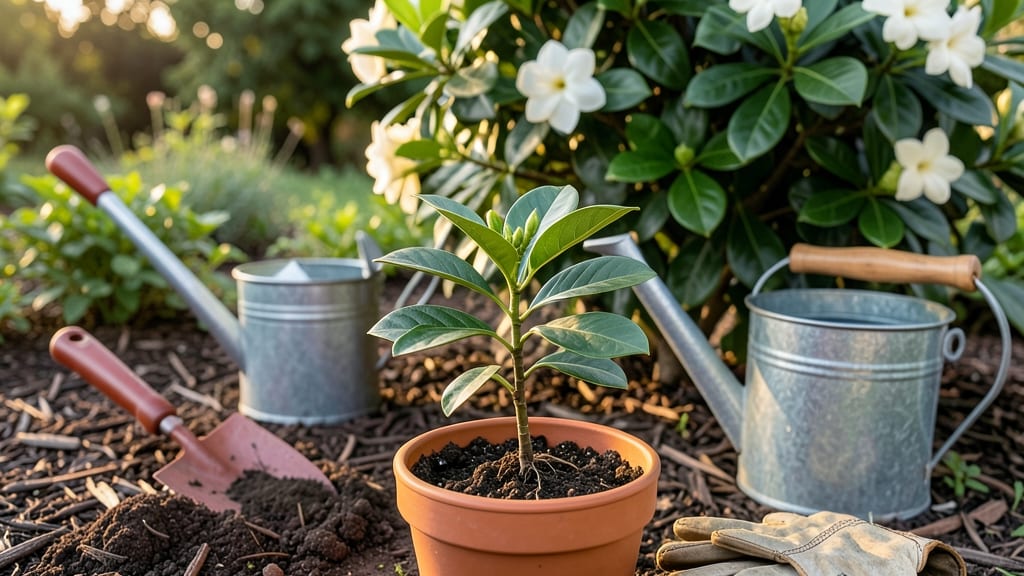
Plant gardenias in North Carolina between late March and early April, when the soil warms to 60°F and the last frost has passed — timing that sets them up for a summer of fragrant blooms.
Gardenias are the fragrant stars of Southern gardens—but planting them at the wrong time in North Carolina can mean fewer blooms and weaker plants. Timing matters more than you think for thriving gardenias in NC’s humid summers and mild winters.
If you rush it, the roots won’t establish before the heat hits, and if you wait too long, the plant struggles to adapt before summer arrives. The 7a-8b zones in NC demand precision: too early risks frost damage, too late risks summer stress.
Below, I’ll break down the best window by zone, how to prep the soil, and the care tricks that keep your gardenias thriving once they’re in the ground.
Best planting months for gardenias in NC based on climate zones
North Carolina’s USDA zones 7b-8a create a perfect climate for gardenias, but timing your planting is everything. These fragrant shrubs thrive when planted after the last frost date—typically mid-March to early April—when soil temperatures consistently reach 60°F or warmer.
Planting too early risks frost damage, while waiting too long stresses young roots before summer’s heat arrives.
Gardenias need 6-8 weeks of root establishment before summer’s intensity. In zone 7b, aim for late March to early April planting, while zone 8a gardeners can extend windows slightly into early May. The key? Soil warmth and frost-free conditions—both critical for avoiding transplant shock.
| Zone | Best Planting Window | Soil Temp Threshold | Frost Risk | Root Establishment Goal |
|---|---|---|---|---|
| 7b (Cooler Microclimates) | Late March - Early April | 60°F+ | Moderate (late frosts possible) | 6-8 weeks before summer heat |
| 8a (Warmer Coastal Areas) | Early April - Early May | 60°F+ | Low (rare frosts) | 8-10 weeks before peak summer |
| Both Zones (Container Planting) | April - May (after last frost) | 60°F+ | Flexible (containers warm faster) | 4-6 weeks before summer |
For in-ground planting, focus on late March to early April across both zones. This window ensures gardenias establish roots before June’s oppressive heat and humidity arrive. In zone 7b, late April plantings risk stunted growth, while zone 8a gardeners can push to early May in sheltered microclimates.
Container gardenias offer more flexibility. Since pots warm faster, you can plant April through May in both zones. Just ensure containers have drainage holes and use well-draining potting mix to prevent root rot—a common issue in NC’s humid summers.
Soil temperature is your best indicator for planting readiness. Use a soil thermometer to confirm 60°F+ at 4 inches deep. Cold soil slows root growth, leaving plants vulnerable to summer stress. In zone 7b, test soil weekly in March—delay planting if temperatures dip below 55°F.
Don’t overlook mulching after planting. Apply 2-3 inches of organic mulch (like pine bark) to retain moisture and regulate soil temperature. This is especially critical in zone 8a, where summer heat can dry out soil quickly. Mulch also suppresses weeds, reducing competition for nutrients.
If you miss the spring window, fall planting is possible in zone 8a only—aim for September to early October. However, avoid planting in zone 7b after August, as roots won’t establish before winter dormancy. Always water deeply after planting to encourage root spread.
Pro tip: Acid-loving gardenias thrive in slightly acidic soil (pH 5.0-6.5). Test your soil before planting—amend with sulfur or peat moss if needed. In zone 7b, where soil pH often runs neutral, this step is non-negotiable for vibrant blooms.
Remember, gardenias reward patience. Plants established in optimal spring windows often bloom heavier the first year compared to those planted later. With NC’s climate, timing isn’t just about avoiding frost—it’s about beating the heat before it arrives.
How to time gardenia planting for maximum blooms in NC’s heat
Once you’ve picked your late March to early April window for planting gardenias in NC, the real challenge begins: helping them establish roots before summer’s brutal heat arrives. Gardenias are sensitive to stress, and transplant shock combined with midday sun can stunt growth or even kill young plants.
The key is to mimic their natural tropical habitat while preparing them for NC’s humid summers.
Start by selecting a morning sun location with afternoon shade—this protects delicate leaves from scorching temperatures while still giving them enough light to thrive. I’ve found that gardenias planted in east-facing beds or near tall trees that provide dappled shade perform best in my USDA Zone 8a garden.
Avoid full-sun spots unless you’re in a cooler microclimate like the mountains.
Before you even dig, amend the soil with organic matter like compost or peat moss to improve drainage. Gardenias hate soggy roots, and NC’s heavy clay soils can trap moisture.
Aim for a slightly acidic pH (5.0-6.5)—test your soil first, and adjust with sulfur if needed. This prep work is non-negotiable for heat resilience.
⚠️ Critical Mistake to Avoid
Planting gardenias too late in spring (after May 15) gives NC’s summer heat too little time for root establishment. By June, your plant will be struggling to adapt while battling fungal diseases from trapped heat and humidity. If you miss the spring window, opt for fall planting in October instead.
When transplanting, dig a hole twice as wide as the root ball but only as deep. This encourages outward root growth, which helps the plant anchor faster. Gently loosen the roots if they’re circling, then backfill with your amended soil mix.
After planting, water deeply to eliminate air pockets—this is your first defense against transplant shock.
Mulching is your secret weapon against NC’s heat. Apply 3-4 inches of mulch (pine bark or shredded leaves work well) around the base, keeping it 2 inches away from the stem to prevent rot.
This mulch blanket retains moisture, regulates soil temperature, and blocks weeds. In my garden, mulched gardenias survive summer with 50% less supplemental watering than their unmulched counterparts.
Watering schedules change dramatically after planting. For the first 4-6 weeks, water every 2-3 days in the morning to keep the soil consistently moist but never soggy. Once established, reduce to deep waterings every 5-7 days, always at the base of the plant.
Avoid wetting the foliage to prevent powdery mildew, a common issue in NC’s humid summers.
Finally, hold off on heavy fertilizing until 6 weeks after transplanting. At that point, switch to a balanced, acid-loving fertilizer (like 10-10-10) applied every 4-6 weeks through summer. This timing prevents nutrient burn while supporting the root system’s recovery.
With these adjustments, your gardenias will bloom profusely from June through September—just in time for NC’s hottest (but most fragrant) months.