
Plants
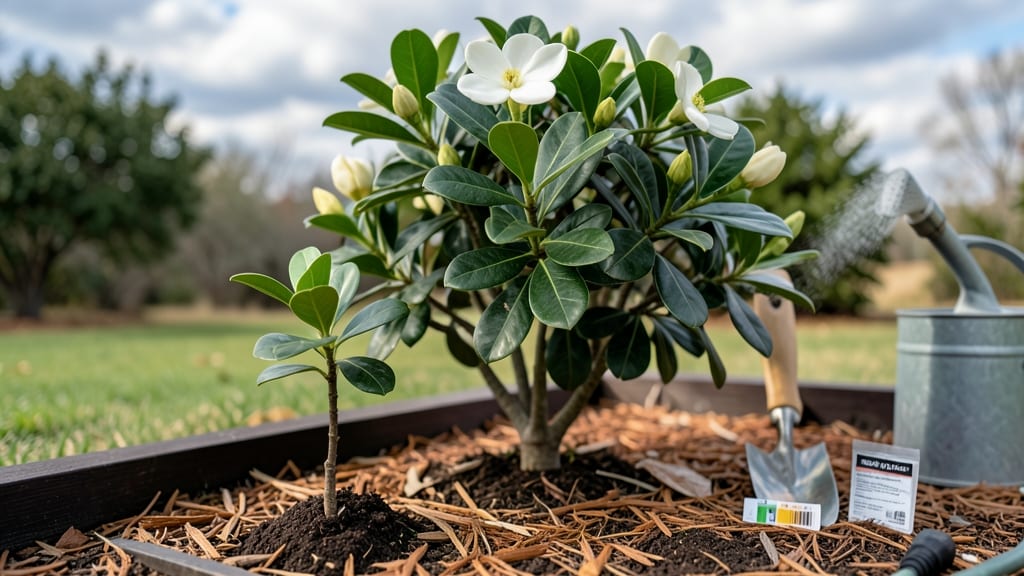
To plant gardenias in Texas, aim for late February to early April when frost risks fade and soil warms up—skipping this window risks stunted growth or even death from unexpected cold snaps.
Texas gardeners know timing is everything—plant gardenias too early, and a late frost could wipe out your blooms before they even open. But get the dates right, and you’ll enjoy fragrant white flowers year after year with minimal effort.
Your location matters: North Texas gardeners should wait until mid-March, while coastal areas can start as early as late February. The key is soil temperature—below 60°F and roots struggle to establish, no matter how patient you are.
In this guide, I’ll break down the exact planting windows for your region, how to prep soil for Texas heat, and the one trick that keeps gardenias thriving even when summer arrives early.
Texas gardenia planting calendar: exact dates by region
Texas gardeners face a tricky balance when planting gardenias—too early, and a late frost can kill tender roots before they establish. Too late, and summer’s brutal heat stresses young plants. The key? Planting after your region’s last frost date but before soil temperatures exceed 80°F.
Below, I’ve broken down the exact windows for North, Central, and South Texas, with temperature thresholds to guide you.
Gardenias thrive in USDA Zones 8a-10b, but Texas’s diverse microclimates mean your planting timeline should shift based on elevation, proximity to water, and urban vs. rural heat islands. For example, Houston’s coastal humidity allows earlier planting than Amarillo’s dry plains.
Always check your local last frost date (typically February 15 in North Texas, January 1 in South Texas) as your starting point.
Here’s the critical rule: Wait until soil temperatures stay above 60°F for at least 5 days before planting. Use a soil thermometer to confirm—gardenias hate cold roots!
In North Texas (Zones 8a-8b), this usually means holding off until mid-April, while South Texas (Zones 9a-10b) gardeners can plant as early as late February.
🌸
| Region | USDA Zone | Last Frost Date | Ideal Planting Window | Soil Temp Threshold | Notes |
|---|---|---|---|---|---|
| North Texas | 8a-8b | February 15 | April 15–May 1 | 60°F+ (5+ days) | Use black plastic mulch to warm soil faster. |
| Central Texas | 8b-9a | March 1 | March 15–April 15 | 65°F+ (5+ days) | Avoid Austin’s late-May heatwaves—plant early! |
| South Texas | 9a-10b | January 1 | February 15–March 15 | 60°F+ (3+ days) | Coastal areas can plant earlier due to humidity. |
| East Texas | 8a-9a | February 28 | March 1–April 10 | 62°F+ (5+ days) | High humidity speeds root growth—water deeply after planting. |
| West Texas | 8a-8b | February 15 | April 1–May 1 | 68°F+ (7+ days) | Dry climate—mulch heavily to retain moisture. |
For North Texas, the window is tight—plant between April 15 and May 1 to avoid late frosts (March 15 is the cutoff for most areas). Use black plastic mulch to raise soil temperatures 5–10°F faster, giving young roots a head start.
If you plant in May, prioritize container gardening to move plants to shade during 100°F+ heatwaves.
In Central Texas, aim for March 15–April 15 when soil stays above 65°F. Cities like San Antonio and Austin have microclimates—urban areas heat up faster, so plant on the earlier side of the window.
Test soil pH (5.0–6.0) before planting; Texas clay often needs sulfur amendments to acidify.
South Texas gardeners have the longest window—plant from February 15 to March 15—but humidity is your ally here. The coastal bend (e.g., Beaumont) can plant as early as January 30 if soil is warm. After planting, shade cloth (30–50%) protects young leaves from scorching in 90°F+ afternoons.
Pro tip: Hardy varieties like ‘Kleim’s Hardy’ tolerate mild frosts (down to 15°F), letting you plant 2–3 weeks earlier
How to time gardenia planting for maximum blooms in Texas heat
Texas’s unpredictable weather makes timing gardenia planting a delicate balance. While March and April are ideal for most regions, coastal areas like Corpus Christi can start as early as late February when soil temperatures hit 60°F+.
Inland areas like Austin should wait until mid-April to avoid late frosts that can kill tender roots.
Soil warmth is your best indicator—not the calendar. Use a soil thermometer to confirm 60°F+ at 4 inches deep before planting. Gardenias hate cold feet, and slow root growth in cooler soil means fewer blooms come summer.
If you’re eager to plant early, consider container gardening for faster root establishment and mobility.
For in-ground planting, amend soil with peat moss or sulfur to lower pH to 5.0-6.0—gardenias refuse to bloom in alkaline Texas soil. Work in compost for drainage, as waterlogged roots lead to root rot, especially in clay-heavy areas like East Texas.
If your yard’s pH is stubborn, try container growing with acidic potting mix instead.
To accelerate root establishment, soak bare-root gardenias in water for 2 hours before planting. For potted plants, trim 1/3 of the roots to encourage a denser root ball. Water deeply every 3-5 days for the first month, focusing on the root zone to prevent fungal issues.
Avoid overhead watering—it washes away soil nutrients and attracts pests like aphids.
If you plant in May or June, expect stressed plants with minimal blooms. Instead, opt for container gardenias in partial shade and water twice daily during heatwaves.
Use shade cloth (30-50%) to protect young plants from 100°F+ afternoons. With these adjustments, you can still enjoy blooms—just delay heavy flowering until fall.
Remember, Texas gardenias thrive with patience. A plant set out in optimal March-April conditions will reward you with double the blooms by summer. Skip the shortcuts—soil prep, timing, and moisture control are your secrets to fragrant, lush gardenias that outshine the heat. 🌸