
Tools
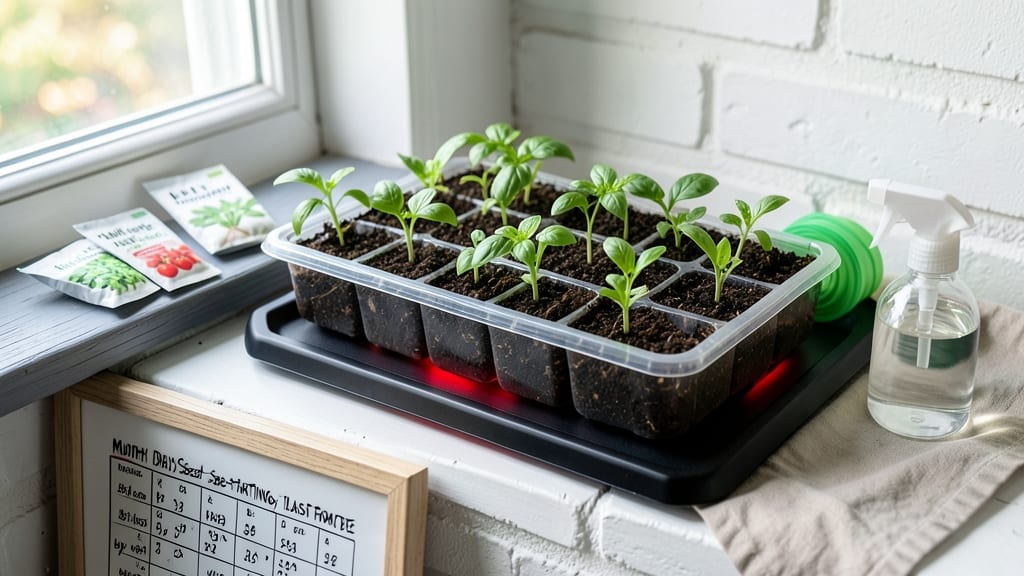
Starting garden seeds at the right time means the difference between a flourishing harvest and a wasted effort—whether you're working with 🌱 General Garden Seeds or your favorite varieties.
Timing is everything in gardening—plant seeds too early, and you risk stunted growth; too late, and you’ll miss the growing season entirely. Mastering when to start garden seeds indoors versus outdoors ensures your plants thrive from day one.
For USDA Zone 6a, where frost lingers until mid-April, the key is knowing when to begin indoors (typically 4-8 weeks before your last frost) and when to transition seedlings outdoors. Some seeds, like tomatoes, need an early start, while others, like beans, can wait until the soil warms.
Below, I break down the exact timing for your region, how to adjust for succession planting, and the 3 common mistakes that derail even the most well-planned seed-starting schedule.
Indoor seed starting timeline by plant type: when to begin
Starting seeds indoors gives you a head start on the growing season, but timing is critical. Cool-season crops like lettuce and peas can handle early spring starts, while warm-season plants such as tomatoes and peppers need to wait until after the last frost.
Your USDA zone and last frost date are your best guides—most seed packets provide a baseline, but regional adjustments are key.
For example, in USDA Zone 6a (like much of the Midwest), I start cool-season veggies like broccoli and spinach indoors in late February to early March, while warm-season favorites like basil and cucumbers wait until mid-March.
The goal? Seedlings should be 4-6 weeks old and hardy enough to transplant outdoors after the last frost—typically mid-April in Zone 6a.
Here’s a quick reference for indoor seed starting based on plant type, frost dates, and maturity timelines. Adjust these windows by 1-2 weeks if you’re in a warmer or cooler zone—early starts in the South, later starts in the North.
| Plant Type | Indoor Start Time (Zone 6a) | Maturity Days | Notes |
|---|---|---|---|
| Cool-Season Veggies | Late Feb–Early March | 30–90 days | Broccoli, spinach, kale. Can tolerate light frost. |
| Warm-Season Veggies | Mid-March–Early April | 60–120 days | Tomatoes, peppers, eggplants. Needs warmth. |
| Herbs | Early March–Late March | 30–60 days | Basil, parsley, cilantro. Basil needs warmth. |
| Flowers | Late Feb–Early April | 45–90 days | Marigolds, petunias, snapdragons. Adjust for bloom time. |
| Succession Crops | Every 2–3 Weeks | 30–60 days | Lettuce, radishes, beans. Stagger starts for continuous harvest. |
For succession planting, I like to start fast-growing crops like radishes or lettuce every 2-3 weeks after the first batch.
This ensures a steady harvest and minimizes wasted space. Slow growers, such as tomatoes or peppers, only need one start, but I often overplant slightly to account for potential seedling loss.
Adjust your timeline based on your local frost dates. In warmer zones (7b+), you might start seeds as early as January for cool-season crops, while in colder zones (5a or below), wait until late March to avoid leggy, weak seedlings.
Always check the seed packet for specific recommendations—some varieties, like long-day onions, need earlier starts than others.
Light is another critical factor. Seedlings need 12–16 hours of light daily to prevent etiolation (those sad, stretched-out stems). If your south-facing window isn’t cutting it, supplement with grow lights or a seedling heat mat to keep soil temps between 65–75°F.
I use a simple LED grow light on a timer for my warm-season starts—it’s made all the difference in sturdy, healthy seedlings.
Don’t forget to harden off seedlings before transplanting! Start 1 week before the move outdoors by gradually exposing them to wind, sun, and cooler temps. Begin with 1–2 hours per day and work up to all day.
This toughens them up and reduces transplant shock. Avoid hard-off-ing on windy days—seedlings can get stressed or even damaged.
Pro tip: Keep a gardening journal to track your starts. Note what worked, what didn’t, and any regional tweaks you made. For example, I’ve found that pepper seedlings in my Zone 6a
Outdoor seed planting schedule: direct sowing vs. transplanting
Deciding between direct sowing and transplanting seedlings can feel overwhelming, but the choice depends on your plant type, climate, and timeline. Direct sowing means planting seeds straight into the garden soil, while transplanting involves starting seeds indoors before moving them outside.
Each method has its advantages—direct sowing saves time for hardy plants, while transplanting gives delicate varieties a head start.
For USDA Zone 6a, where last frost typically arrives around April 15, timing is critical. Cool-season crops like lettuce and peas thrive when sown 4-6 weeks before your last frost, while warm-season plants like tomatoes and peppers need soil temperatures above 60°F to germinate successfully.
Moon phases also play a subtle role—root crops (carrots, beets) planted during a waxing moon often yield better.
Below is a clear comparison of when to direct sow versus transplant common garden favorites, including soil temperature thresholds and ideal planting windows for your region.
For direct sowing, focus on cool-season crops like lettuce and peas in early spring or late summer. These plants germinate quickly in cooler soil and tolerate light frosts. Use a seed starter kit or row cover to protect tender seedlings if nighttime temperatures dip below 40°F.
Direct sowing is ideal for plants that don’t transplant well, like carrots or radishes, which can develop tangled roots when moved.
Transplanting is best for warm-season crops like tomatoes and peppers, which need a longer growing season. Start these seeds 6-8 weeks indoors before your last frost, then harden off seedlings by gradually exposing them to outdoor conditions for 7-10 days before planting.
Choose cloudy days or late afternoon to avoid stressing the plants with intense sunlight. Transplant on a waxing moon for stronger root establishment.
Adjust your schedule based on your local frost dates and soil conditions. Use a soil thermometer to monitor temperatures—most seeds need soil between 50-85°F to germinate. If your soil is too cold, wait or use a heat mat for seed trays.
For succession planting, sow fast-growing crops like radishes every 2 weeks to ensure a continuous harvest.
🌱