
Watering
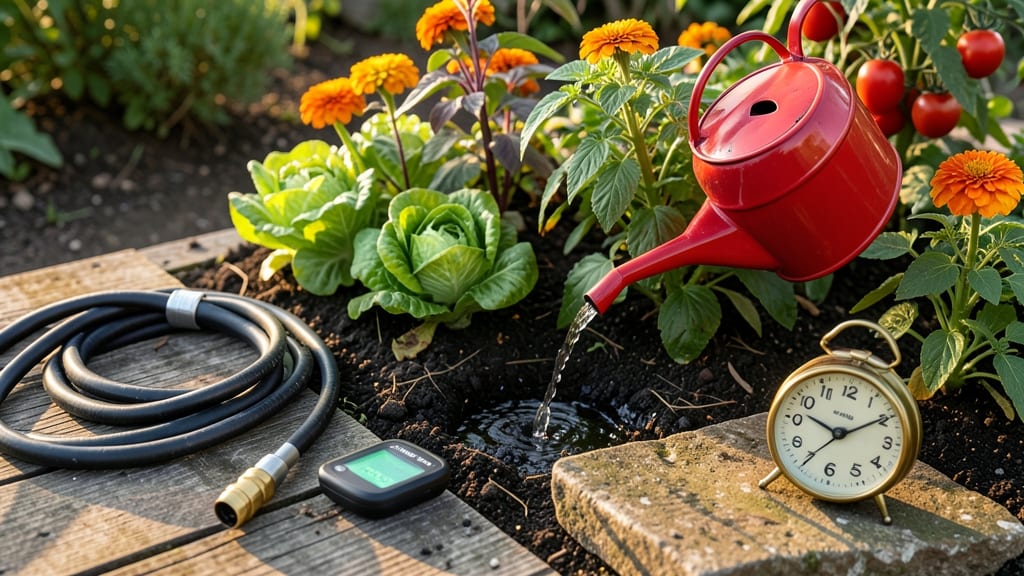
The best time to water a garden is early morning, when plants absorb moisture most efficiently and evaporation is at its lowest 🌱 — a routine that saves water, prevents disease, and fuels stronger root growth.
Watering your garden at the wrong time can waste precious resources, invite pests, and stunt plant growth—yet most gardeners still guess when to water instead of following science-backed timing.
Morning watering isn’t just about convenience; it’s about giving your garden the head start it needs. When you water before the sun peaks, the soil stays cooler, fungal spores have less chance to spread, and your plants put their energy into growing roots instead of drying out.
Below, I’ll break down the ideal morning schedule by plant type, how to spot over- or under-watering, and why a quick 10-minute check in the morning can transform your garden’s health—and your water bill.
Why morning watering boosts root growth and reduces waste
Most gardeners water when it’s convenient, but science shows that timing makes all the difference. Morning watering—specifically between 6 AM and 10 AM—aligns perfectly with how plants naturally absorb water and nutrients. This isn’t just guesswork; it’s rooted in plant biology, evaporation science, and even circadian rhythms.
By watering early, you give roots the chance to soak up moisture before the heat of the day turns your garden into a desert.
When you water in the morning, the soil stays cooler and retains moisture longer. This means less water waste from evaporation, which can account for up to 30% of your water if you water at noon or later.
Plus, plants have the entire day to dry out, reducing the risk of fungal diseases like powdery mildew, which thrive in damp, stagnant conditions. Think of it like giving your plants a refreshing start to their day—just like you’d want a cool glass of water first thing in the morning!
Here’s the kicker: plants have circadian rhythms, just like humans. They’re most active in the early morning, which is when they absorb nutrients most efficiently. Watering at this time ensures that the moisture and nutrients you provide are used immediately, rather than sitting in the soil overnight.
This leads to deeper root penetration, stronger plants, and even better yields for vegetables and fruits.
But don’t just take my word for it—let’s break down the science and practical benefits in this quick-reference table. It’ll help you see why morning watering isn’t just a habit, but a game-changer for your garden’s health and your water bill.
Now that you see the data, let’s talk about how morning watering reduces waste. When you water later in the day, up to half of your water can evaporate before it even reaches the roots.
That’s like pouring a glass of water and watching it disappear into thin air—frustrating and costly! Morning watering ensures that every drop counts, and your plants get the hydration they need without the guilt of wasting resources.
Another huge perk? Fewer fungal diseases. Plants like tomatoes, peppers, and basil are especially prone to issues like powdery mildew and blight when their leaves stay wet overnight.
Morning watering gives foliage time to dry completely, creating a less hospitable environment for these pests. It’s like giving your plants a protective shield against the sneakiest garden villains.
Let’s not forget about the nutrient absorption boost. Plants are at their most active in the morning, which means they’re primed to soak up water and nutrients right when you provide them.
This synergy leads to healthier, more resilient plants that can better withstand stress from heat, pests, or drought. It’s like giving your garden a daily multivitamin—timing is everything!
If you’re still skeptical, try this experiment: water one section of your garden in the morning and another in the evening for a week.
After a few days, you’ll likely notice that the morning-watered plants look perkier, their soil stays moister longer, and you’re not left wondering where all your water went. It’s a simple switch that can make a world of difference for your garden’s health and your water bill.
So next time you grab your hose or watering can, ask yourself: Is my garden ready for its morning hydration? The answer is almost always yes—and your plants will thank you for it. 🌱
The ideal morning watering schedule by plant type
Morning watering isn't one-size-fits-all—your tomatoes need different care than your lavender, and your lawn has its own rhythm. The key is understanding each plant's root depth and water needs to avoid waste while maximizing growth.
For example, shallow-rooted herbs like basil only need a light drink, while deep-rooted trees crave a thorough soak. Let's break down the perfect morning schedule for your garden's stars.
Timing matters just as much as how much you water. The golden window is between 6:00 AM and 10:00 AM, when temperatures are cool and evaporation is minimal. This gives roots time to absorb moisture before the day's heat kicks in.
However, some plants—like succulents—thrive on a weekly deep watering, while thirsty leafy greens need daily attention. Let's dive into the specifics so you can tailor your routine.
- 1 Vegetables (tomatoes, peppers, lettuce): Water between 6:00 AM and 8:00 AM for deep root penetration. Focus on the base of plants, not leaves, to prevent disease. Use 1-2 gallons per plant for mature vegetables.
- 2 Flowers (roses, hydrangeas, petunias): Water between 7:00 AM and 9:00 AM to avoid wetting blooms, which can attract pests. Use 1 gallon per plant and mulch to retain moisture. Drought-tolerant flowers like lavender only need watering every 7-10 days.
- 3 Lawns (cool-season grasses): Water between 5:00 AM and 7:00 AM for 1/2 inch per week (including rain). Use a soaker hose to avoid runoff. Early morning watering reduces fungal diseases like brown patch by allowing grass to dry quickly.
- 4 Container plants (herbs, succulents, citrus): Water between 6:00 AM and 8:00 AM, but check soil first—containers dry out faster. Herbs like thyme need daily watering in summer, while succulents thrive on weekly deep waterings. Use well-draining soil to prevent root rot.
- 5 Drought-tolerant plants (agave, yucca, sedum): Water between 7:00 AM and 9:00 AM only when soil is completely dry. These plants store water in their leaves/stems, so overwatering is worse than underwatering. Aim for 1-2 deep waterings per month in hot climates.
Adjust your schedule based on your local climate—cooler regions may need earlier watering, while hotter areas can extend to 10:00 AM safely. Always water slowly and deeply to encourage roots to grow downward, not just surface roots that dry out quickly.
For example, my tomato plants in Zone 7 thrive with a morning soak followed by a light mulch to lock in moisture.
Pro tip: Use a rain gauge or tuna can to measure water output. You’ll be amazed how much you’ve been over- or under-watering without realizing it! Aim for 1 inch of water per week for most gardens, adjusting for rainfall.
This simple habit saves water and keeps your plants healthy and happy all season long.
Remember, the goal is to mimic nature’s watering cycle—gentle, consistent, and timed for maximum absorption. By following these plant-specific schedules, you’ll see stronger stems, brighter blooms, and bigger harvests without wasting a drop. Happy gardening!