
Tools
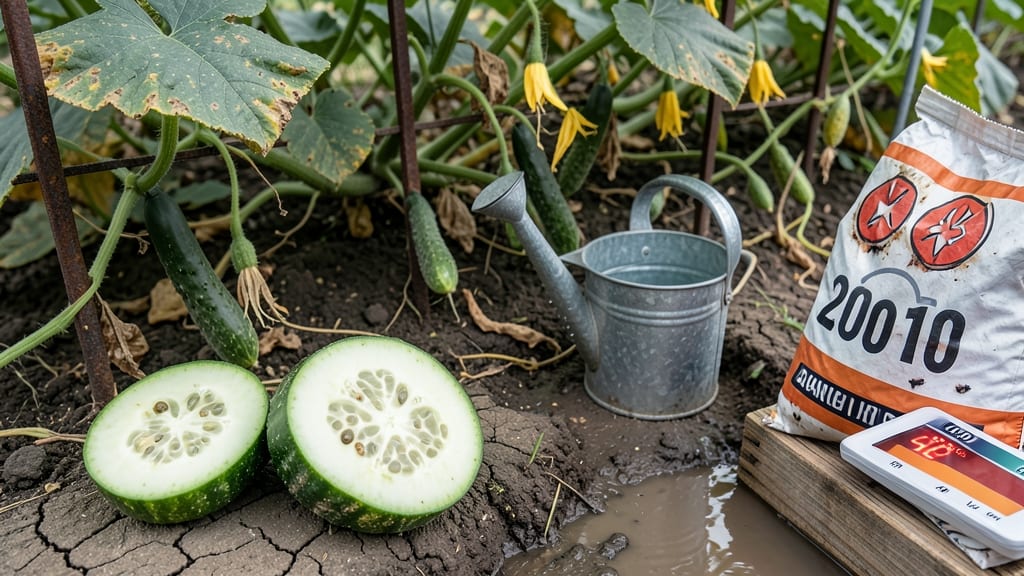
Your garden cucumbers taste bitter when they’re overripe, under-watered, or stressed by heat—three fixable issues that can turn a disappointing harvest into a sweet one.
Bitter cucumbers from your garden can turn a fresh harvest into a disappointing one—discover why it happens and how to restore that sweet, crisp flavor you love.
Cucumbers 🥒 develop bitterness when their natural compounds, called cucurbitacins, spike due to environmental stress. The good news? This isn’t a lost cause—simple adjustments to watering, shade, and harvesting timing can bring back that garden-fresh sweetness.
Below, I’ll walk you through the three most common causes of bitter cucumbers, plus actionable fixes to keep your vines producing flavorful fruit all season long.
3 Common reasons your garden cucumbers taste bitter
There's nothing worse than biting into a homegrown cucumber only to discover that bitter taste you weren't expecting. Even with proper care, cucumbers can develop an unpleasant flavor due to specific growing conditions.
Understanding the root causes helps you adjust your gardening practices to restore that sweet, crisp flavor you love in your harvest.
The bitterness in cucumbers isn't just a random flaw—it's often a direct response to environmental stress or improper care. Three primary factors contribute to this issue: overwatering, heat stress, and overripe harvesting.
Each of these conditions triggers the production of cucurbitacin, a natural compound that gives cucumbers their bitter taste. By identifying which of these issues is affecting your plants, you can take targeted action to fix the problem.
- Overwatering – Too much moisture triggers cucurbitacin production, especially in hot weather.
- Heat Stress – Extreme temperatures cause water stress, leading to bitter cucumbers even with adequate water.
- Overripe Harvesting – Waiting too long to pick cucumbers allows bitter compounds to develop.
Let's start with overwatering, which is one of the most common mistakes gardeners make when growing cucumbers. While cucumbers need consistent moisture, excessive watering can lead to root stress and trigger the production of cucurbitacin.
The plant perceives the overabundance of water as a form of stress, especially when combined with high temperatures. This compound is naturally present in cucumbers but remains at safe levels when growing conditions are ideal.
When you overwater, you're essentially signaling the plant to ramp up its defenses, resulting in that unwanted bitterness.
Next, heat stress plays a significant role in bitter cucumbers, particularly in regions with high summer temperatures. When cucumbers are exposed to temperatures above 90°F (32°C) for extended periods, they struggle to maintain proper hydration. This water deficit causes the plant to produce more cucurbitacin as a survival mechanism.
Even if you're watering regularly, the intense heat can make it difficult for roots to absorb moisture quickly enough, leading to stress and bitterness. This is why cucumbers grown in hot climates often need additional shade or mulch to protect them from extreme conditions.
Finally, overripe harvesting is a frequent culprit behind bitter cucumbers. Cucumbers are best harvested when they're 6-8 inches long and still firm to the touch. If left on the vine too long, they continue to mature and develop higher levels of cucurbitacin.
This is especially true for varieties like slicing cucumbers, which are more prone to bitterness as they age. The key is to harvest frequently—ideally every 2-3 days—to encourage continuous production and prevent the cucumbers from becoming overripe and bitter.
Each of these factors can be addressed with simple adjustments to your watering schedule, shade management, and harvesting routine. By understanding how these conditions affect your cucumbers, you can take proactive steps to ensure a sweet, flavorful harvest every time.
The next step is learning how to fix these issues and restore the quality of your cucumbers.
If you're dealing with overwatered plants, the solution is straightforward: adjust your watering frequency and ensure proper drainage. For heat-stressed cucumbers, providing afternoon shade or using mulch can make a significant difference.
And if your cucumbers are simply overripe, start harvesting more frequently to keep them at their peak flavor. These small changes can transform your bitter harvest into a delicious one.
Remember, the goal is to create an environment where your cucumbers thrive without stress. By paying attention to these three key factors—water balance, temperature control, and timely harvesting—you'll be well on your way to growing cucumbers that are as sweet and crisp as they should be.
Now that you understand the root causes, you're equipped to diagnose the issue in your garden and take action. The next step is implementing the fixes to ensure your cucumbers regain their sweet flavor. Let's dive into those solutions next!
How to fix bitter cucumbers: adjusting water, sun, and harvesting
If your cucumbers taste bitter, the first step is to check your watering habits and sun exposure. Cucumbers thrive with consistent moisture and 6-8 hours of sunlight, but too much or too little of either can trigger bitterness.
I’ve found that adjusting these factors often restores that sweet, crisp flavor within days.
Start by monitoring your watering schedule. Cucumbers need 1-1.5 inches of water weekly, delivered directly to the soil—not the leaves—to prevent fungal issues. During heatwaves, I increase frequency to daily deep watering to keep roots cool and prevent stress-induced bitterness.
⚠️ WARNING: Common Mistakes That Bitterize Cucumbers Cucumbers develop bitterness when they experience water stress or heat stress. Uneven watering (like skipping midday watering) or letting soil dry out completely can trigger cucurbitacins—the compounds responsible for bitterness.
Even overwatering can cause root rot, which stresses the plant and leads to bitter fruit. If your cucumbers are overripe (yellowing or shriveled), harvest immediately—they’ll only get more bitter as they age. 🥒
Next, evaluate your sunlight exposure. While cucumbers love full sun, afternoon shade during extreme heat (above 90°F) can prevent bitterness. I use lightweight shade cloth (30-50%) on my vines when temperatures climb, which has dramatically improved flavor.
If you’re growing in a hot climate, consider trellising to elevate vines and reduce soil heat.
Your harvesting technique plays a huge role too. Bitter cucumbers often come from overripe fruit, so I harvest when they’re 6-8 inches long and still firm to the touch.
Use a sharp knife or pruners to avoid damaging the vine, and check for yellow stem ends—a sign the cucumber is ready. Regular harvesting (every 2-3 days) encourages more sweet, tender fruit.
For extra flavor, try mulching with straw or grass clippings to retain moisture and regulate soil temperature. I’ve also had success with compost tea applied every 2 weeks to boost nutrient uptake, which reduces stress-related bitterness.
Combine these adjustments, and you’ll be back to enjoying sweet, garden-fresh cucumbers in no time!
Remember, bitterness is usually a sign of stress—not a permanent flaw. With these water, sun, and harvesting tweaks, your cucumbers should regain their sweetness within 1-2 weeks. Keep experimenting with your approach until you find the perfect balance for your climate. 🌱