
Fertilization
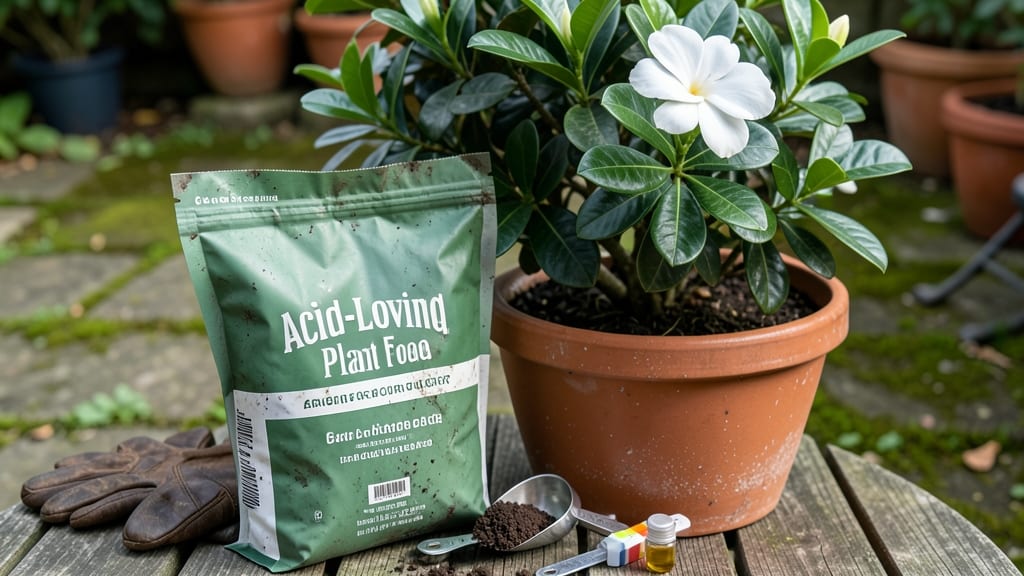
An acid-based fertilizer for gardenias 🌸 is the game-changer behind those fragrant blooms you’ve been dreaming of.
Struggling to keep your gardenias blooming year-round? The secret might be hiding in your soil’s pH—and the right acid-based fertilizer can make all the difference. Without the proper acidity, your plants might look healthy but fail to reward you with those iconic white flowers.
Gardenias thrive in acidic soil (pH 4.5-6.0), and without it, they’ll show you the signs: yellowing leaves, sparse blooms, or even leaf drop. But here’s the good news: with the right fertilizer and a little care, you can turn that around fast.
In this guide, I’ll walk you through why acidity matters, how to test your soil, and the best fertilizers—organic and synthetic—to keep your gardenias happy and blooming like never before.
Why gardenias need acid-based fertilizer and how to test soil pH
If your gardenias 🌸 aren’t blooming like they used to, the issue might be hiding in your soil’s pH balance. Gardenias are acid-loving plants, thriving in soil with a pH between 4.5 and 6.0.
When the soil becomes too alkaline (pH 7.0 or higher), these plants struggle to absorb essential nutrients like iron, manganese, and phosphorus, leading to yellowing leaves and sparse flowers.
An acid-based fertilizer isn’t just a luxury—it’s a necessity for gardenias. These fertilizers lower soil pH while providing the micronutrients gardenias crave. Without it, your plants may show signs of nutrient deficiency, such as chlorosis (yellowing leaves with green veins) or stunted growth.
The good news? Testing your soil’s pH is simple, and adjusting it with the right fertilizer can revive your gardenias in no time.
Why does pH matter so much? Gardenias evolved in tropical environments where soil naturally stays acidic. At pH 4.5-6.0, they can efficiently absorb nutrients, leading to lush foliage and fragrant blooms. Outside this range, nutrient uptake drops dramatically, even if you’re using the best fertilizer. Think of it like this: a locked door won’t let nutrients enter, no matter how hard you knock.
| Soil pH Range | Gardenia Health | Signs of Issue | Solution |
|---|---|---|---|
| 4.5 - 5.5 | Optimal growth, vibrant blooms | None | Maintain with acid-based fertilizer |
| 5.6 - 6.0 | Good growth, fewer blooms | Mild yellowing on new leaves | Apply acid-based fertilizer |
| 6.1 - 7.0 | Stunted growth, poor blooms | Yellow leaves (chlorosis), weak stems | Lower pH with sulfur or peat moss |
| 7.1+ | Severe nutrient deficiency | Brown leaf tips, no blooms, wilting | Emergency acid treatment (iron sulfate) |
Testing your soil’s pH is the first step to reviving your gardenias. You can use a digital pH meter, a soil test kit, or send a sample to a local extension office for professional analysis.
For a quick at-home test, grab a pH test kit (available at garden centers) and follow the instructions. Simply mix soil with distilled water, insert the test strips, and compare the color to the chart.
If your test reveals a pH above 6.0, don’t panic—it’s fixable! Start by amending your soil with organic matter like peat moss, pine bark fines, or compost. These materials naturally lower pH over time.
For a faster fix, apply an acid-based fertilizer like iron sulfate or aluminum sulfate, following the package instructions. Always water thoroughly after application to help the amendments integrate into the soil.
Watch for visual cues that your gardenias are struggling. Yellowing leaves (especially between veins) often signal iron deficiency, a common issue in alkaline soil. Poor blooming or small, weak flowers can also indicate pH problems.
If you notice these signs, act fast—gardenias respond quickly to corrected soil conditions, often rebounding within weeks of proper care.
Remember, consistency is key. Gardenias prefer slightly acidic soil year-round, so plan to reapply acid-based fertilizer every 4-6 weeks during the growing season (spring and summer). In fall, reduce applications to allow the plant to prepare for dormancy.
For potted gardenias, use a balanced acid fertilizer designed for container plants to avoid over-acidifying the soil.
One common mistake is assuming that more fertilizer equals better results. Over-fertilizing can burn roots and further disrupt pH balance. Always follow the recommended dosage on the fertilizer label, and consider diluting liquid fertilizers to half-strength if your gardenias are sensitive.
When in doubt, err on the side of caution—your gardenias will thank you with glossy leaves and abundant blooms.
Pro tip: Pair your acid-based fertilizer with regular mulching using pine needles or oak leaves. These organic mulches slowly release acids into the soil, helping maintain the ideal pH range with minimal effort. Just be sure to keep mulch 2-3 inches away from the plant’s stem to prevent rot.
With the right acid-based fertilizer and a little pH monitoring, your gardenias will thrive and reward you with show-stopping blooms all season long. Happy gardening! 🌿
Top 5 acid-based fertilizers for gardenias: organic vs synthetic options
Gardenias thrive when their soil stays in the acidic range (pH 4.5-6.0), but not all acid-based fertilizers work equally well. The right choice depends on your gardening style—whether you prefer organic or synthetic options.
Let’s break down the top 5 acid-based fertilizers for gardenias, including their pros, cons, and how to apply them for maximum blooms.
For gardeners who love natural solutions, organic options like peat moss and pine bark fines are excellent choices. They improve soil structure while slowly releasing acidity. On the other hand, synthetic fertilizers like iron sulfate and sulfur-based products offer faster results but require careful handling.
Each has its place in your gardening toolkit, and I’ll walk you through the best ways to use them.
Acid-Based Fertilizer Comparison
Peat Moss
- ✓ Slow-release acidity (lasts months)
- ✓ Improves soil structure and drainage
- ✓ Organic and eco-friendly
- ✗ Can compact over time (mix with perlite)
- ✗ Not as fast-acting for quick fixes
Apply: 1-2 inches mixed into soil annually.
Pine Bark Fines
- ✓ Long-lasting acidity (3-5 years)
- ✓ Excellent drainage for root health
- ✓ Blends well with compost
- ✗ Expensive compared to other options
- ✗ May dry out soil (water well after adding)
Apply: 2-3 inches as mulch around plants.
Iron Sulfate
- ✓ Fast-acting for correcting pH
- ✓ Affordable and widely available
- ✓ Provides iron for green foliage
- ✗ Can burn roots if overused
- ✗ Not organic (synthetic)
Apply: 1 tbsp per plant mixed into soil, water thoroughly.
Citrus Fertilizer
- ✓