
Fertilization
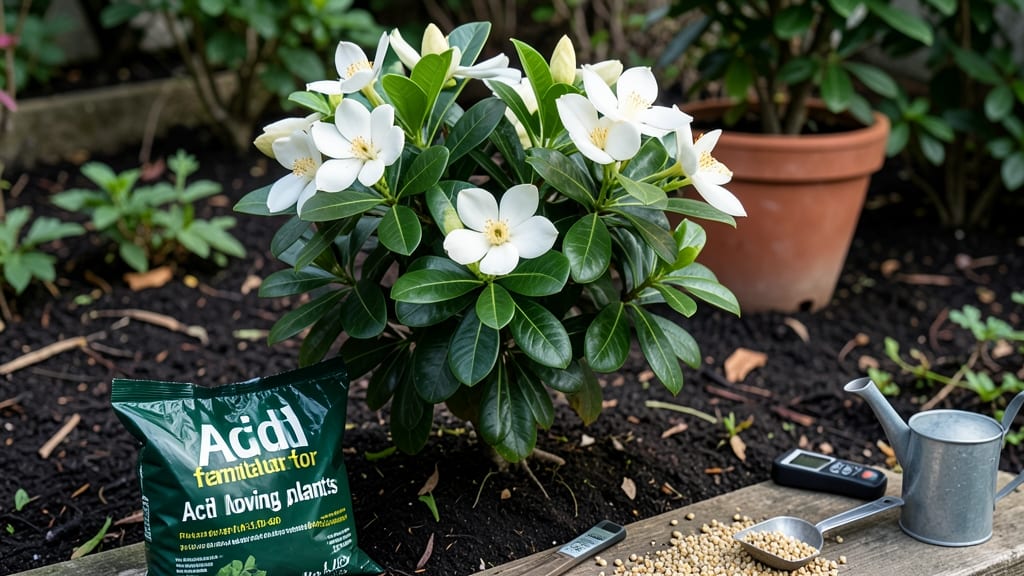
Using acid fertilizer for gardenias is the game-changer behind those fragrant, glossy blooms you’ve been dreaming of.
Struggling to keep your gardenias blooming year-round? The secret might be hiding in your soil’s pH—and the right acid fertilizer could transform your struggling shrubs into vibrant, fragrant showstoppers.
Gardenia 🌸 thrives when soil pH stays between 4.5 and 6.0, but most garden soil leans alkaline, starving roots of the nutrients they crave. Without the right acid boost, your plants may produce sparse blooms or yellowing leaves, no matter how much you water.
In this guide, I’ll walk you through how to test your soil, pick the best acid fertilizer for your gardenias, and apply it the right way—so you can enjoy lush, fragrant blooms all season long.
How acid fertilizer adjusts soil pH for optimal gardenia growth
Your gardenias crave acidic soil with a pH between 4.5 and 6.0—any higher, and they’ll struggle to absorb nutrients, leading to sparse blooms or yellowing leaves. The key to unlocking their full potential lies in understanding how acid fertilizers work to lower your soil’s pH naturally.
These fertilizers introduce elements like sulfur, iron, or aluminum, which react with soil minerals to create a more acidic environment over time.
The science behind it is simple: acid fertilizers release hydrogen ions (H+) into the soil, displacing calcium and magnesium ions that raise pH. For gardenias, this means better uptake of iron and phosphorus, two nutrients critical for vibrant blooms and lush foliage.
Without the right pH balance, even the best fertilizer won’t help—your gardenias will simply starve, despite your efforts.
Before grabbing any acid fertilizer, test your soil’s pH using a simple home test kit or send a sample to a local extension office. Most garden centers sell affordable kits that require just a soil sample and a few drops of indicator solution.
Aim for a reading between 4.5 and 6.0—if your soil is higher, you’ll need to adjust it gradually to avoid shocking the roots.
Here’s how different acid fertilizers work to lower pH:
| Fertilizer Type | Primary Acidifying Agent | pH Adjustment Rate | Best For |
|---|---|---|---|
| Iron Sulfate | Sulfur | Lowers pH by 1-2 points over 2-3 months | Quick fixes; iron-deficient soils |
| Aluminum Sulfate | Aluminum + Sulfur | Lowers pH by 1.5-2.5 points over 1-2 months | Heavy clay soils; long-term acidification |
| Elemental Sulfur | Sulfur | Lowers pH by 1 point over 3-6 months | Slow-release; organic gardening |
| Peat Moss | Organic matter | Lowers pH by 0.5-1 point over 6+ months | Container plants; soil amendment |
| Pine Fines/Bark | Organic acids | Lowers pH by 0.5-1 point over 2-3 months | Mulch; long-term soil health |
If your soil tests above 6.0, start with a sulfur-based fertilizer like iron sulfate, which works faster than organic options. For a gradual adjustment, mix peat moss or pine bark fines into the top 6 inches of soil—this also improves drainage and adds organic matter.
Avoid overdoing it: dropping the pH too quickly can damage roots and cause nutrient lockout.
Signs your gardenias need acid fertilizer include yellowing leaves (especially between veins), stunted growth, or fewer blooms than expected.
These symptoms often point to chlorosis, a condition where the plant can’t absorb iron due to high pH. A quick soil test will confirm whether you need to acidify—or if another issue (like overwatering) is at play.
Once you’ve adjusted the pH, maintain it by reapplying acid fertilizer every 3-4 months during the growing season (spring and fall).
Pair this with a balanced, acid-loving fertilizer (like 6-6-6 or 8-3-9) to provide essential nutrients without disrupting the pH. Think of it as a two-step process: first fix the soil chemistry, then feed the plant to keep it thriving.
Pro tip: Mulch with pine needles or oak leaves after fertilizing—they slowly release acids as they decompose, helping maintain the ideal pH range with minimal effort. This is especially useful for container gardenias, where soil can dry out and lose acidity faster.
Remember, gardenias are sensitive to sudden changes, so always water thoroughly after applying acid fertilizer to help distribute it evenly.
If you’re unsure about the type of fertilizer to use, start with a pre-mixed acid fertilizer designed for azaleas and camellias—these are formulated to meet gardenias’ exact needs without guesswork.
With the right pH balance, your gardenias will reward you with glossy leaves, abundant blooms, and that intoxicating fragrance all season long. Happy gardening! 🌸
Best acid fertilizers for gardenias: organic vs. synthetic options compared
Gardenias thrive when their soil pH stays between 4.5 and 6.0, but choosing the right acid fertilizer can feel overwhelming. Organic options like Espoma Garden-Tone and peat moss release acidity slowly, while synthetic formulas like Miracle-Gro Azalea/Camellia deliver fast results.
Each has unique benefits for your gardenia’s blooming potential and foliage health. Let’s break down the top choices to help you decide what works best for your plants.
For gardeners prioritizing long-term soil health, organic acid fertilizers are the gold standard.
These options—such as pine bark fines or sulfur-coated urea—improve soil structure while gradually lowering pH. Synthetic fertilizers, on the other hand, offer immediate acidity adjustments, making them ideal for quick fixes or severe pH imbalances.
However, they require more frequent applications and can risk nutrient burn if overused. Balancing these factors ensures your gardenias stay lush and fragrant.
🌱 Organic Acid Fertilizers
- Slow-release acidity
- Improves soil structure
- Long-term pH balance
- Safe for beneficial microbes
- Slower results (weeks)
- Higher upfront cost
- Requires regular reapplication
🧪 Synthetic Acid Fertilizers
- Fast pH adjustment
- Precise nutrient delivery
- Budget-friendly per use
- Risk of nutrient burn
- No soil structure benefits
- Requires frequent monitoring
Let’s dive into the specifics. Espoma Garden-Tone, an organic blend of sulfur and composted plant materials, is a favorite among gardeners for its gentle acidification. Apply it every 6-8 weeks during the growing season, and watch your gardenias reward you with abundant white blooms.
For a more natural approach, pine bark fines or peat moss can be mixed into the soil at planting time, providing a long-lasting acid buffer that mimics their native habitat in tropical forests.
On the synthetic side, Miracle-Gro Azalea/Camellia fertilizer is a go-to for quick results. Its balanced NPK ratio (12-4-8) with added iron supports both foliage growth and bloom production.
Use it every 4-6 weeks during active growth, but dilute it to half-strength if your gardenias show signs of leaf yellowing or tip burn.
For severe pH issues, aluminum sulfate can be sprinkled around the base and watered in, but use it sparingly—it’s potent and can over-acidify soil if misapplied.
Cost-effectiveness is another key factor. Organic options like Espoma Garden-Tone may have a higher upfront cost, but they reduce long-term fertilizer expenses by improving soil health. Synthetic fertilizers, while cheaper per application, can add up quickly if you’re correcting pH issues season after season.
For container gardenias, slow-release organic pellets are a great compromise—they’re easy to apply and reduce the risk of over-fertilization.
To maximize your gardenia’s performance, combine your chosen acid fertilizer with regular mulching using pine needles or oak leaves. These organic mulches slowly release acidity while suppressing weeds and retaining moisture.
Pair this with consistent morning watering and partial shade, and your gardenias will thrive year-round, gracing your garden with their intoxicating fragrance.
Remember, the goal is balanced acidity, not extreme pH levels. Test your soil every 6 months using a home pH kit to ensure it stays within the ideal 4.5-6.0 range.
Adjust your fertilizer choice and application rate based on the results—your gardenias will thank you with healthier foliage and showstopping blooms.