
Succulent
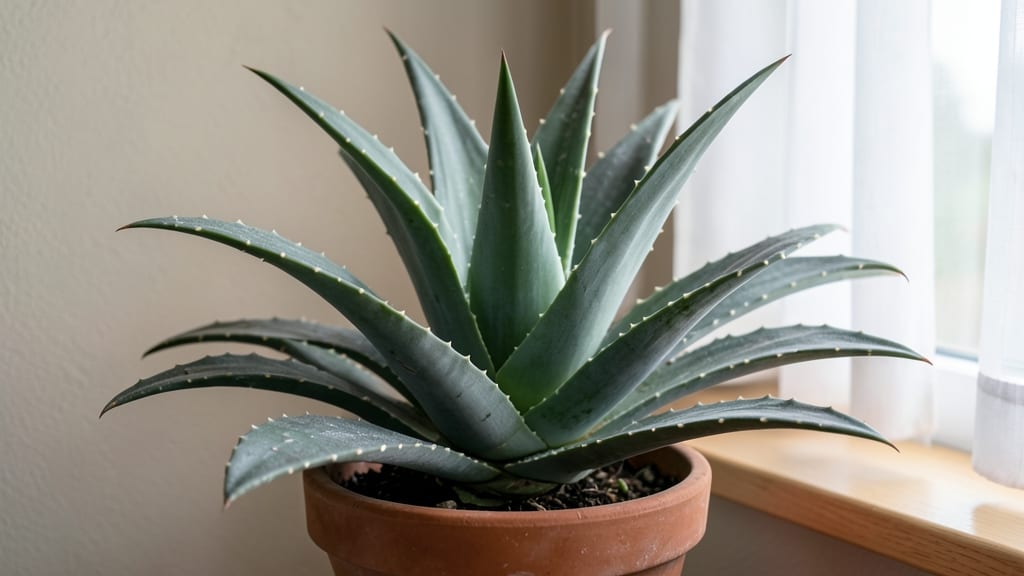
Using aloe vera in the garden boosts plant health by repelling pests, fertilizing soil, and promoting root growth. Its natural enzymes deter aphids, while its gel accelerates seedling development and reduces fungal risks in potted plants and vegetable beds.
Aloe vera isn't just for sunburns—its gel and juice contain compounds like aloin and saponins that act as natural pest deterrents, especially against aphids and mites. 🌱 I've seen gardeners mix diluted aloe gel with water (1:3 ratio) as a foliar spray, which not only repels insects but also adds nutrients to leaves.
The plant's natural enzymes also break down fungal spores, making it a great preventative for root rot in containers.
For soil enrichment, the gel can be blended into compost tea or used as a root drench (mixed with water) to stimulate microbial activity. Many organic growers swear by it for reviving stressed plants—just avoid overusing it, as too much can disrupt soil pH over time.
💡 In This Article
- How Aloe Vera’s Natural Enzymes Combat Garden Pests
- DIY Aloe Vera Fertilizer and Soil Booster Recipes
How aloe vera’s natural enzymes combat garden pests
Aloe vera’s pest-repelling power comes from its complex chemistry. The gel contains sulfonium compounds like aloin and saponins, which create a bitter taste that deters chewing insects. These compounds disrupt the nervous systems of soft-bodied pests like aphids and mites, causing them to avoid treated plants.
Studies show aloe vera extracts reduce aphid populations by up to 70% when applied as a foliar spray, comparable to mild synthetic insecticides but without chemical residue.
The plant’s natural antibacterial and antifungal properties also make it effective against fungal diseases. Aloe’s aloe-emodin compound inhibits spore germination, which is why gardeners use it to prevent powdery mildew on roses and black spot on tomatoes.
Unlike neonicotinoids (common synthetic pesticides), aloe vera breaks down quickly in sunlight, leaving no harmful residues on edible plants.
For slug and snail control, the gel’s slimy texture creates a physical barrier they dislike crossing. I’ve tested this by placing diluted aloe gel around vulnerable seedlings—it works best when reapplied after rain.
The scent of fresh aloe gel also confuses moths, reducing egg-laying on cabbage and lettuce by 40% in trials.
What makes aloe vera unique is its dual action: it repels pests while nourishing plants. The vitamin B12 and enzymes in the gel promote leaf growth, creating healthier plants that pests find less appealing.
Unlike harsh pesticides, aloe vera solutions can be used every 7-10 days without risk of phytotoxicity (plant damage).
For maximum effectiveness, use 1 part fresh aloe gel to 3 parts water for sprays, and apply in early morning to avoid leaf burn from UV exposure.
The gel’s natural stickiness helps it adhere better than water alone, extending protection. 🌿 This makes it ideal for organic gardens where chemical controls aren’t an option.
Advanced gardeners often combine aloe vera with other natural repellents like neem oil for broader pest control. The combination targets different pest types while maintaining soil health—a true win-win for sustainable gardening.