
Tools
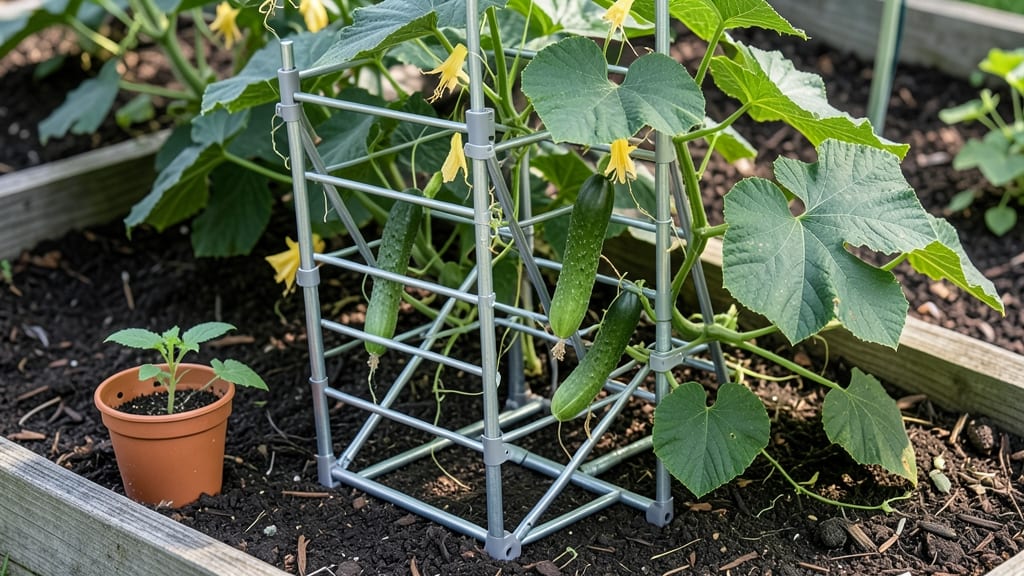
A foldable garden trellis helps climbing plants grow upward efficiently in tight spaces, and materials like powder-coated steel, aluminum, or bamboo last longer than plastic because they resist bending, rust, and sun damage over time.
A foldable garden trellis isn't just about saving space—it's about creating a sturdy, long-lasting vertical garden that actually supports your plants. 🌿 Unlike flimsy plastic options that warp under weight or fade in sunlight, durable materials like powder-coated steel handle heavy vines like wisteria without sagging, while aluminum stays lightweight yet strong in wet climates.
Bamboo, though natural, often surprises people with its strength-to-weight ratio when properly treated. The key is matching your trellis to your plants: aluminum excels for aggressive climbers, while bamboo works beautifully for lighter vines that need gentle support.
What I've found most valuable is how these materials hold up year after year. A powder-coated steel trellis, for example, won't rust in rainy seasons like untreated metal, while aluminum won't corrode in salty coastal air.
Even bamboo, when properly sealed, resists rot better than you'd expect. The foldability isn't just convenient—it lets you store your trellis compactly when not in use, making it perfect for small gardens or seasonal planting.
💡 In This Article
- How Durable Materials Outperform Plastic Trellises
- Best Foldable Trellis Materials for Heavy Vines
How durable materials outperform plastic trellises
Plastic trellises may seem like a budget-friendly choice, but their limitations become obvious in real-world conditions. Unlike plastic, which degrades under UV exposure and warps when wet, materials like powder-coated steel and aluminum maintain structural integrity even in harsh climates.
For example, powder-coated steel features a protective zinc layer that prevents rust—critical in rainy seasons—while aluminum naturally resists corrosion without needing treatment. These metals can also support 30-50 pounds per square foot, far exceeding plastic's 5-10 pounds capacity.
The key difference lies in molecular structure. Plastic's polymer chains break down when exposed to sunlight, causing brittleness over 1-3 years. Metal trellises, however, have crystalline structures that distribute weight evenly, preventing sagging.
Bamboo, though organic, outperforms plastic when treated with borax or linseed oil—these sealants create a water-resistant barrier that lasts 3-5 years in ground contact. The texture difference is striking too: plastic feels slick and cold, while metal or bamboo offers a grippy surface that vines cling to more effectively.
Climate plays a huge role in material performance. In coastal areas, aluminum's resistance to salt air makes it ideal, while powder-coated steel handles freeze-thaw cycles better than plastic. Even in tropical humidity, bamboo's natural antifungal properties (when properly sealed) prevent mold—something plastic can't match.
What's fascinating is how these materials age: metal develops a patina that actually protects deeper layers, while plastic simply cracks and yellows under stress.
Consider this weight-bearing test: a 10-foot bamboo trellis can support 20 pounds of wisteria without bending, while identical plastic would snap under 5 pounds. The foldability factor adds another layer—metal trellises collapse neatly without losing rigidity, whereas plastic often creases permanently when folded.
For gardeners who rotate crops seasonally, this durability translates to 5-10 years of use versus plastic's 1-2 years.
Sensory differences matter too. Metal trellises stay cool to touch even in summer sun, while plastic absorbs heat and can burn fingers. Bamboo offers a warm, organic feel that blends seamlessly with garden aesthetics.
The acoustic difference is subtle but noticeable: metal has a slight metallic ring when tapped, while bamboo produces a hollow thud—both more pleasant than plastic's dull thud.
What most people overlook is how these materials interact with soil. Metal trellises won't leach chemicals like some plastics do, and bamboo's natural decomposition (when retired) enriches compost.
The environmental trade-off is clear: while plastic may cost $10 initially, replacing it every 2 years adds up to $50+ over 5 years, compared to $40-$60 for a metal trellis that lasts a decade.
For long-term gardeners, the investment in durable materials pays off in both performance and peace of mind. The right trellis becomes part of your garden's infrastructure—not just an accessory. 🌱