
Watering
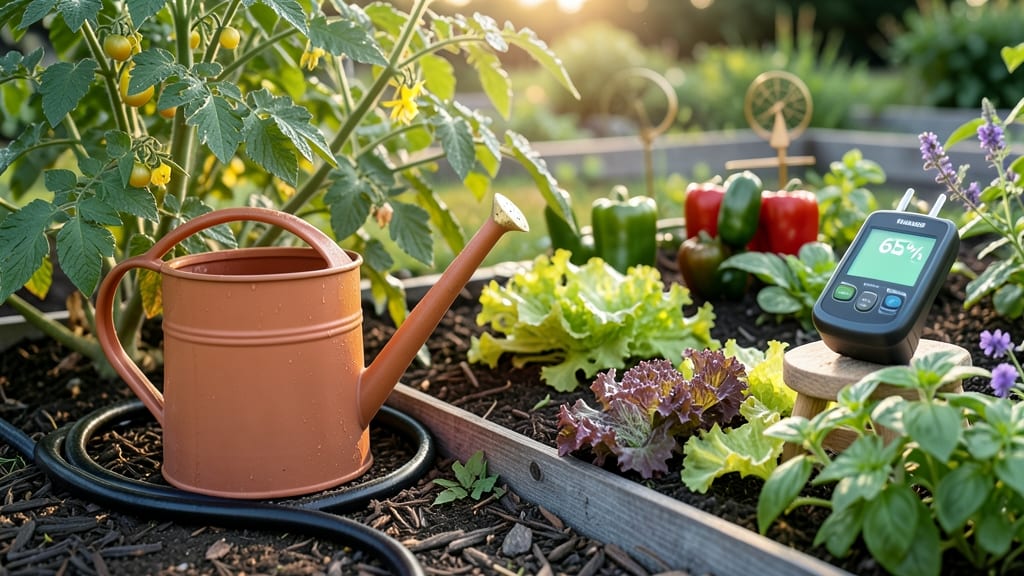
Watering your vegetable garden at the right time is the difference between thriving 🥬 plants and wasted effort—and most gardeners unknowingly sabotage their harvests by picking the wrong hours.
Picture this: you’ve just spent hours tending to your garden, only to realize your watering routine might be doing more harm than good.
The truth is, timing matters more than you think, and science shows that morning watering isn’t just a habit—it’s a game-changer for root growth, water efficiency, and even pest control.
In USDA Zone 6, where spring planting kicks off in April, early mornings (before 10 AM) let water soak deep into the soil without evaporating quickly. This means stronger roots, fewer fungal diseases, and less water wasted—so your garden stays lush while conserving resources.
Below, I’ll break down exactly when to water for different climates, how to spot over- or under-watering, and the 3 biggest mistakes that kill vegetable gardens. Ready to transform your watering routine?
Why early morning watering maximizes plant growth and efficiency
Most gardeners water their vegetable gardens based on habit rather than science—but that’s a missed opportunity for growth. Early morning watering isn’t just a tip; it’s a growth hack backed by plant physiology.
When you water between 6 AM and 10 AM, you align with your plants’ natural rhythms, giving them the moisture they need when they need it most. This isn’t just about convenience; it’s about unlocking deeper root systems, higher yields, and healthier plants.
The key lies in understanding how temperature, humidity, and evaporation interact with your garden. During the day, the sun heats up the soil and air, causing water to evaporate quickly—sometimes up to 30% faster than in the morning.
That means water you apply at noon might never reach your plants’ roots. But in the early morning, cooler temperatures and higher relative humidity mean water penetrates deeper, encouraging roots to grow downward for stability and nutrient access.
Let’s break down the science: When you water in the morning, the soil stays moist longer, which is critical for photosynthesis. Plants absorb water through their roots and use it to produce energy during the day.
If the soil is dry by mid-morning, your plants waste energy trying to find water instead of growing. Plus, morning watering reduces the risk of fungal diseases like powdery mildew and blight, which thrive in damp evening conditions.
Here’s what happens when you skip morning watering: Shallow roots develop because plants don’t have consistent moisture, leading to weak stems and poor nutrient uptake. Even worse, evening watering can leave foliage damp overnight, creating the perfect environment for pests like aphids and slugs.
The result? Stunted growth, lower yields, and a garden that’s more work than it’s worth.
| Factor | Morning Watering Benefit | Evening Watering Risk |
|---|---|---|
| Evaporation Rate | Low (30% less loss) | High (water evaporates quickly) |
| Root Penetration | Deep (encourages strong roots) | Shallow (surface moisture only) |
| Disease Risk | Low (foliage dries quickly) | High (fungal spores thrive) |
| Water Absorption | Optimal (roots absorb efficiently) | Reduced (soil may repel water) |
| Yield Impact | Higher (consistent growth) | Lower (stress from uneven moisture) |
One of the biggest myths about watering is that it doesn’t matter when you do it—as long as the plants get enough water. But research from Purdue University shows that timing directly impacts plant transpiration (the process of water movement through plants).
When you water in the morning, your vegetables—like tomatoes, peppers, and leafy greens—can use the moisture immediately to fuel their growth during peak sunlight hours. This translates to 20-30% more yield in some cases, especially in hot climates.
Let’s talk about humidity, another critical factor. Early mornings often have higher humidity levels, which means water doesn’t evaporate as quickly. This gives your plants a head start on hydration, reducing the stress they experience during the day.
For example, in arid climates, morning watering can mean the difference between a thriving garden and one that wilts by noon. Even in humid regions, the cooler morning air helps water penetrate the soil more effectively.
Don’t overlook the role of mulch in morning watering. When you combine early watering with a 2-3 inch layer of organic mulch (like straw or wood chips), you create a moisture-retaining barrier. This setup keeps the soil cool and damp for longer, mimicking the natural conditions plants prefer.
Mulch also suppresses weeds, which compete with your vegetables for water and nutrients. It’s a simple tweak that amplifies the benefits of morning watering.
If you’re still skeptical, try this experiment: Water one section of your garden in the morning and another in the evening for two weeks. Observe the difference in leaf turgor (how plump and healthy the leaves look), root depth (dig up a plant to check), and overall growth.
You’ll likely see that the morning-watered plants are taller, greener, and more resilient. This isn’t just theory—it’s a proven method used by commercial farmers and home gardeners alike.
Finally, consider the practical benefits of morning watering. It’s easier to fit into your routine—no late-night watering sessions or rushing before work.
Plus, you avoid the hassle of watering during the heat of the day, which can lead to leaf burn from water droplets acting like magnifying glasses under the sun. By making morning watering a habit, you’re not just saving time; you’re investing in the long-term health of your garden.
So next time you reach for your hose or watering can, ask yourself: Is my garden getting the best possible start to the day? The answer might surprise you—and your plants will thank you with bigger, healthier harvests all season long. 🌱
Morning watering schedule: exact times and techniques for different climates
Your vegetable garden thrives when watered at the right time—especially in the morning—but the perfect window shifts dramatically based on your climate zone.
In arid regions like Arizona, I water before 6 AM to beat the scorching sun, while in humid climates like Florida, 7-9 AM works best to prevent fungal growth. The key is understanding how your local conditions affect evaporation rates and soil moisture retention.
For temperate climates (like USDA Zones 5-7), aim for 6-8 AM when temperatures are cool and dew naturally dissipates.
This timing ensures water penetrates deep into roots without wasting resources to heat or humidity. Drip irrigation is my go-to method here—it delivers water slowly at the soil level, reducing runoff and fungal risks.
| Climate Type | Best Watering Window | Frequency (Summer) | Recommended Technique |
|---|---|---|---|
| Arid (e.g., Desert) | 5:00-7:00 AM | Every 1-2 days (deep soak) | Drip irrigation + mulch |
| Temperate (e.g., Midwest) | 6:00-8:00 AM | Every 2-3 days | Soaker hoses or drip lines |
| Humid (e.g., Southeast) | 7:00-9:00 AM | Daily (light watering) | Overhead sprinklers (early AM only) |
| Mediterranean (e.g., California) | 4:00-6:00 AM | Every 3-4 days (deep water) | Subsurface drip systems |
In humid climates, I avoid overhead sprinklers after 9 AM—they leave foliage damp all day, creating perfect conditions for powdery mildew and blight. Instead, I use drip irrigation or soaker hoses to target roots directly.
For container gardens, morning watering is even more critical since pots dry out faster. I check moisture levels by sticking my finger 1-2 inches into the soil; if it's dry, it's time to water.
Adjust your watering frequency based on seasonal shifts.
During peak summer, I water tomatoes and peppers every morning, but reduce to every other day in fall when temperatures drop. Leafy greens like lettuce need consistent moisture, while root vegetables (carrots, potatoes) prefer deeper, less frequent watering to encourage root growth.
Pro tip: Use a rain gauge to track weekly rainfall and adjust your schedule.
In drought-prone areas, I collect rainwater in barrels and use it for morning watering to conserve municipal supplies. Mulching with straw or wood chips retains moisture, so I apply a 2-3 inch layer around plants to cut down on evaporation and watering needs.
Remember, the goal is deep root penetration, not surface wetting. A slow, deep watering session in the morning gives your plants the energy they need for the day ahead—without wasting precious resources to heat or pests.
Start with these climate-specific times, and soon you'll see stronger, healthier vegetables with minimal effort.