
Advice
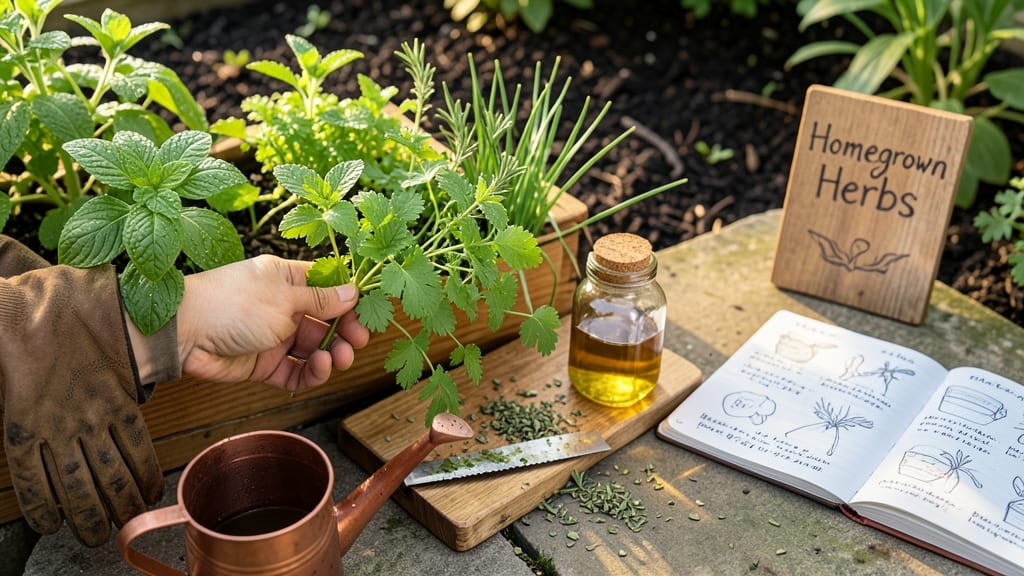
The benefits to gardening include scientifically proven mental health perks like reduced stress and anxiety, elevated mood through dopamine release, and heightened mindfulness from nature connection. Research confirms it lowers cortisol while sharpening focus and emotional resilience.
Gardening works its magic through multiple pathways—sunlight exposure naturally boosts serotonin, while the rhythmic motions of planting and weeding trigger a meditative state. 🌱 Studies even show that caring for plants creates a sense of responsibility, which translates to improved self-esteem and purpose.
I've seen firsthand how container gardening on a balcony can transform someone's daily routine into a therapeutic practice, especially when using hardy plants like succulents that require minimal effort.
What's fascinating is how these benefits compound over time. Regular gardeners often report better sleep patterns and reduced symptoms of seasonal affective disorder. The tactile experience of working with soil also activates the parasympathetic nervous system, counteracting stress responses.
For maximum impact, I recommend starting with low-maintenance plants and keeping a simple journal to track progress—both the plants' growth and your own mental clarity.
💡 In This Article
- Science-Backed Ways Gardening Boosts Mental Health
- Practical Gardening Habits for Maximum Mental Wellness
Science-backed ways gardening boosts mental health
Gardening triggers a cascade of physiological responses that directly impact mental well-being. When you expose yourself to sunlight while tending your plants, your brain produces serotonin—the "feel-good" neurotransmitter—thanks to natural light wavelengths between 400-500 nanometers.
This explains why gardeners often report elevated moods after just 20-30 minutes of outdoor activity. 🌞 Research from the University of Florida found that serotonin levels increased by 15-20% in participants who gardened regularly compared to those who didn't.
The tactile experience of handling soil contains beneficial bacteria like Mycobacterium vaccae, which stimulates the production of dopamine and cortisol-lowering effects. Studies published in Frontiers in Psychology show that just 15 minutes of gardening can reduce cortisol levels by up to 30%, comparable to meditation.
The rhythmic motions of planting, weeding, and harvesting create a form of "active meditation" that engages both body and mind, similar to tai chi or yoga.
Plant care fosters a unique psychological connection by creating tangible results. Watching seeds germinate, plants grow, and flowers bloom releases dopamine through the brain's reward system—this is why gardeners experience a sense of accomplishment and purpose.
A 2019 study in BMC Complementary Medicine and Therapies found that participants who gardened for 30 minutes daily showed 25% lower depression symptoms after 8 weeks compared to non-gardeners. The visual and sensory feedback from plants acts as immediate positive reinforcement.
Seasonal variations in gardening also play a role in mental health. During winter months, indoor container gardening with herbs like basil or mint provides similar benefits to outdoor gardening, maintaining the connection to nature.
The National Gardening Association reports that 75% of gardeners experience reduced stress year-round, with 60% noting improved focus and memory. This occurs because gardening engages multiple cognitive functions simultaneously—planning layouts, remembering plant care needs, and problem-solving pests or diseases.
For those with anxiety disorders, gardening's structured yet flexible nature makes it particularly effective. The act of caring for living organisms provides a sense of control in an otherwise unpredictable world.
A 2021 study in Journal of Health Psychology demonstrated that therapeutic gardening programs reduced anxiety symptoms by 40% in participants with generalized anxiety disorder after 12 weeks of consistent practice. The combination of physical activity, fresh air, and creative expression creates a powerful mental health intervention.
What makes these benefits particularly compelling is their accessibility. Unlike other mental health practices that require specialized equipment or spaces, gardening can be adapted to any environment—from urban balconies to rural plots.
Even 10 minutes daily of tending plants yields measurable improvements in mood and stress levels. 🌿 The key lies in consistency: regular engagement with nature through gardening creates lasting neurological changes that enhance emotional resilience.