
Vegetables
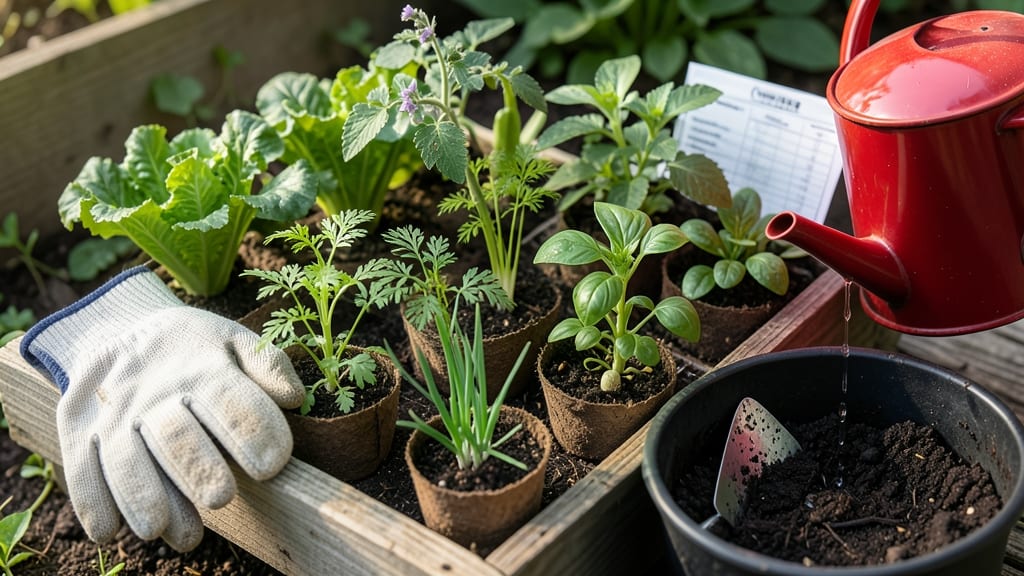
To plant a vegetable garden at the best time means aligning your seeds with soil warmth, frost dates, and your local climate — and getting it wrong can turn your green thumb into a lesson in patience.
Imagine sinking hours into prepping beds, only to watch seedlings bolt or wilt under unexpected heat. That’s why knowing exactly when to start each crop — from cool-loving spinach to heat-crazy tomatoes — is the difference between a bountiful harvest and a wasted season.
This guide breaks down the climate-smart deadlines by plant type, including how to calculate your last frost date, adjust for soil temperature, and even extend your growing season with simple tricks like row covers.
Whether you’re a beginner or a seasoned gardener, you’ll learn how to avoid common mistakes — like planting too early or too late — and maximize your garden’s potential from the first seed to the last harvest.
Climate-smart planting deadlines for cool-season vegetables
Cool-season vegetables like spinach, kale, and peas thrive when planted at the right time—typically 4-6 weeks before your average last frost date. These hardy crops can even tolerate light frosts, making them perfect for early spring or late summer sowings.
The key is aligning your planting schedule with soil temperatures and regional frost dates to avoid bolting or stunted growth.
For most U.S. regions, cool-season planting windows fall between early March and early May for spring crops, and again from late July to early September for fall harvests. However, exact timing depends on your USDA hardiness zone and microclimate.
For example, gardeners in Zone 5 might plant spinach in early April, while those in Zone 9 can start as early as February.
Here’s how to calculate your ideal planting window: subtract 4-6 weeks from your average last frost date (found via the National Weather Service or Almanac tools). For succession planting, repeat sowings every 2-3 weeks to ensure a continuous harvest.
For instance, planting lettuce every 10 days from March to June guarantees fresh greens all summer.
| Vegetable | Best Planting Window | Frost Tolerance | Succession Planting Interval |
|---|---|---|---|
| Spinach | 4-6 weeks before last frost; late summer for fall harvest | Tolerates light frost (28°F) | Every 2-3 weeks |
| Kale | Early spring or 60 days before first frost | Survives down to 20°F | Every 3-4 weeks |
| Peas | 2-3 weeks before last frost | Tolerates 25°F | Every 10-14 days |
| Lettuce | 4-6 weeks before last frost; late summer for fall | Tolerates 25°F | Every 10-15 days |
| Broccoli | 4-6 weeks before last frost | Tolerates 20°F | Every 3-4 weeks |
If you’re new to succession planting, start with fast-growing crops like radishes or baby lettuce, which mature in as little as 30 days. This gives you quick feedback on your timing while minimizing waste.
For slower growers like cabbage or brussels sprouts, space out plantings every 3-4 weeks to stagger harvests.
Another pro tip: use row covers or cold frames to extend your planting window by 2-4 weeks in early spring or late fall. These protective layers shield young plants from late-season frosts while still allowing sunlight to penetrate.
For example, I’ve successfully grown spinach in Zone 6 through November by using a lightweight row cover after the first frost.
Watch out for overcrowding, a common mistake when planting cool-season crops too closely together. Thin seedlings to the recommended spacing (e.g., 6 inches apart for lettuce) to prevent competition for nutrients and reduce disease risk.
Overcrowded plants also struggle to develop strong stems, making them more susceptible to wind damage or pest attacks.
For container gardening, choose compact varieties like bush peas or little gem lettuce, and plant them 2-3 weeks earlier than your outdoor schedule. Containers warm up faster in spring, so monitor soil temperatures closely—aim for 40-50°F for most cool-season crops.
If your soil is still cold, delay planting until temperatures rise or use black plastic mulch to warm the soil faster.
Proper soil preparation is just as critical as timing. Amend your soil with compost or well-rotted manure before planting to ensure nutrients are available when seedlings emerge. Cool-season crops thrive in slightly acidic to neutral soil (pH 6.0-7.0).
Test your soil in early spring and adjust with lime (to raise pH) or sulfur (to lower pH) if needed.
Don’t forget to water consistently—cool-season crops need 1 inch of water per
Warm-season planting schedule: heat-loving crops explained
Timing is everything when planting heat-loving crops like tomatoes, peppers, and cucumbers. These warm-season vegetables thrive when soil temperatures stay above 60°F, and planting too early can trigger bolting or poor growth.
The key is aligning your planting schedule with your last frost date and soil warmth—typically 2-4 weeks after that final frost, depending on your USDA zone.
For most regions, this means starting seeds indoors 6-8 weeks before the last frost, then transplanting seedlings after Memorial Day when nighttime temperatures consistently stay above 55°F.
In warmer climates like Zone 9+, you can plant directly in the soil as early as March, but in cooler areas like Zone 5, wait until mid-May to avoid frost damage. Soil thermometers are your best friend here—aim for 65°F+ before planting.
- 🌱 Tomatoes: Start seeds indoors 6-8 weeks before last frost; transplant after soil hits 60°F and night temps stay above 55°F.
- 🌶️ Peppers: Require longer warm periods—plant after last frost when soil is 70°F+; avoid transplant shock by hardening off seedlings.
- 🥒 Cucumbers: Direct-sow after frost when soil is 65°F+; succession plant every 2 weeks for continuous harvests.
- ⚠️ Avoid bolting: Never plant cool-season crops like lettuce alongside warm-season plants—they’ll compete for resources.
- 💧 Watering tip: Deep water early morning to prevent blossom-end rot in tomatoes—consistent moisture is critical.
One of the biggest mistakes gardeners make is rushing to plant tomatoes or peppers too early. Cold soil slows root growth, making plants vulnerable to disease and transplant shock.
If you’re eager to start, use black plastic mulch to warm the soil faster—this can shave 1-2 weeks off your planting timeline. Just remember: peppers are the most sensitive to cold, so don’t rush them unless your soil is truly warm.
Another common pitfall is ignoring succession planting for cucumbers and zucchini. These crops produce heavily for 4-6 weeks before slowing down. By planting new seeds every 2 weeks after your initial sowing, you’ll extend your harvest window and avoid overwhelming vines that can lead to disease.
For tomatoes, focus on one or two varieties to simplify care—too many plants can dilute your energy and resources.
To maximize your warm-season harvest, pair companion plants like basil with tomatoes (it deters pests and improves flavor) and marigolds with peppers (they repel nematodes). Mulch heavily with straw or grass clippings to retain moisture and suppress weeds, which is especially important during dry summer months.
If your summer gets extremely hot (above 90°F), provide light shade cloth to protect plants from sun scald.
Finally, keep an eye on your plants for signs of stress. Drooping leaves on tomatoes often signal blossom-end rot (caused by calcium deficiency), while yellowing leaves on peppers may mean overwatering.
Adjust your care routine as needed—sometimes the best way to avoid mistakes is to observe and adapt. With the right timing and attention, your warm-season garden will reward you with bountiful harvests all summer long! 🌿