
Pruning
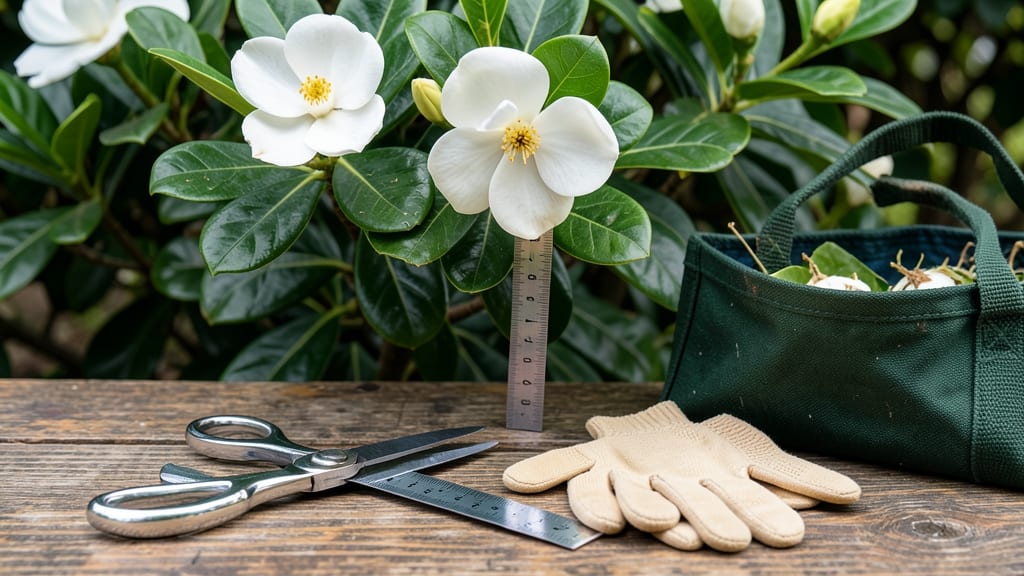
The best time to trim gardenias is late winter or early spring, just as new growth begins — a small window that makes all the difference for those fragrant 🌸 blooms.
Struggling to keep your gardenias blooming beautifully? Timing your pruning could be the game-changer you need — get it wrong, and you risk stunted growth or no flowers at all. Most gardeners wait until spring, but the truth is even earlier than you think.
In USDA Zone 6a, that means trimming gardenias in late February or March, before buds swell but after the worst winter chill passes. This timing lets you shape the plant while it’s still dormant, encouraging stronger branches and more abundant blooms when spring arrives.
Below, I’ll break down the exact timing for your climate, how to spot the perfect moment, and what to avoid — so you can enjoy gardenias that look (and smell) like a pro’s garden all season.
Why late winter is the optimal time to trim gardenias
If you've ever wondered why your gardenias 🌸 produce fewer blooms than expected, the answer likely lies in your pruning timing. Late winter—specifically before new growth begins—is the sweet spot for trimming these fragrant shrubs.
This strategic timing aligns with their natural dormancy cycle, setting the stage for a bountiful spring bloom.
When you prune gardenias at the right moment, you're not just tidying up—you're stimulating growth hormones, removing dormant or diseased branches, and encouraging the plant to focus energy on new flower buds.
Skipping this window means missing out on these critical benefits, which can lead to sparse blooms or leggy, unruly growth.
Science backs this up too. Gardenias, like many flowering shrubs, enter a resting phase in late winter. During this time, their energy reserves are at their lowest, making them less vulnerable to stress from pruning.
Cutting back now allows the plant to redirect resources to root development and bud formation once warmer weather arrives.
Another key reason is disease prevention. Pruning during dormancy reduces the risk of bacterial or fungal infections that thrive in fresh cuts made during active growth. Wet spring conditions can turn pruning wounds into entry points for pathogens, so late winter's drier air is ideal for clean cuts.
Let’s break down the seasonal science behind this timing with a quick reference table to help you plan:
| Seasonal Stage | Pruning Goal | Benefit |
|---|---|---|
| Late Winter (Dormant) | Remove dead/diseased wood | Prevents disease spread |
| Early Spring (Pre-Bud) | Shape for airflow | Encourages dense foliage |
| Post-Flowering (Summer) | Deadhead spent blooms | Promotes reblooming |
| Fall (Avoid) | None recommended | Stimulates late growth (vulnerable to frost) |
For gardeners in warmer climates (USDA Zones 8-10), late winter might mean February or early March, while those in cooler zones (6-7) should aim for March or April, just before the last frost date.
This timing ensures you’re pruning after winter’s chill but before spring’s growth surge.
One of the biggest misconceptions is that pruning gardenias in summer or fall will yield better results. In reality, these seasons can stress the plant, leading to reduced blooming or even dieback.
Summer pruning, for example, can expose the plant to intense heat stress, while fall cuts may stimulate new growth that won’t harden off before winter.
When you prune gardenias in late winter, you’re also thinning out crowded branches, which improves air circulation—a critical factor for preventing powdery mildew and other fungal issues. This open structure allows sunlight to penetrate deeper into the shrub, boosting photosynthesis and flower production.
Think of late winter pruning as a reset button for your gardenias. By removing last year’s spent growth, you’re making room for stronger, healthier stems that will support more abundant blooms come spring. It’s like giving your plant a fresh start—just in time for the growing season to begin.
Pro tip: After pruning, apply a layer of mulch around the base to retain moisture and regulate soil temperature. This small step can make a big difference in how quickly your gardenias recover and prepare for spring growth. 🌱
Step-by-step guide to pruning gardenias for maximum blooms
Timing your gardenia pruning correctly is the secret to abundant blooms and healthy growth. Unlike many plants, gardenias respond best to late winter pruning, just as new growth begins but before buds swell. This seasonal timing ensures you remove dead wood while stimulating fresh, flower-filled branches for spring.
Regional differences matter—gardenias in USDA Zone 7-9 (like Florida or California) can prune as early as February, while cooler zones (Zone 6 or colder) should wait until late March or April, after the last frost. Always prune before bud break to avoid disrupting next year’s flowers.
When to Trim Gardenias for Best Results
- Step 1: Choose the Right Season Late winter (Feb-Apr in warm zones, Mar-Apr in cooler zones)
- Step 2: Wait for Dormancy to End Prune after last frost but before leaf buds swell
- Step 3: Check Your Zone Zone 7-9: February | Zone 6 or colder: March-April
- Step 4: Avoid Summer Pruning Never trim during active flowering (summer-fall) to preserve blooms
- Step 5: Deadhead Spent Blooms Remove wilted flowers year-round to encourage new growth
Grab your pruning shears and disinfectant—clean tools prevent disease spread. Focus on thinning out crowded branches to improve airflow, which reduces fungal risks like powdery mildew. Cut just above a leaf node or outward-facing bud at a 45-degree angle for the cleanest heal.
For overgrown gardenias, never remove more than one-third of the plant in a single session. Light pruning yearly keeps them compact and bushy, while heavy cuts every 3-4 years rejuvenate older shrubs.
Always step back after pruning—your goal is an open, airy shape that lets sunlight reach inner branches.
After pruning, give your gardenia a light fertilizer with acidic soil amendments (like peat moss) to support new growth. Water deeply but avoid soggy soil—consistent moisture without waterlogging is key. Within weeks, you’ll see fresh green shoots and next season’s fragrant blooms forming.
Pro tip: Snap a photo of your gardenia’s shape before pruning. This helps you visualize the ideal structure and ensures you don’t over-cut. With the right timing and technique, your gardenia will reward you with doubled blooms next season—worth every careful snip! ✂️🌸