
Watering
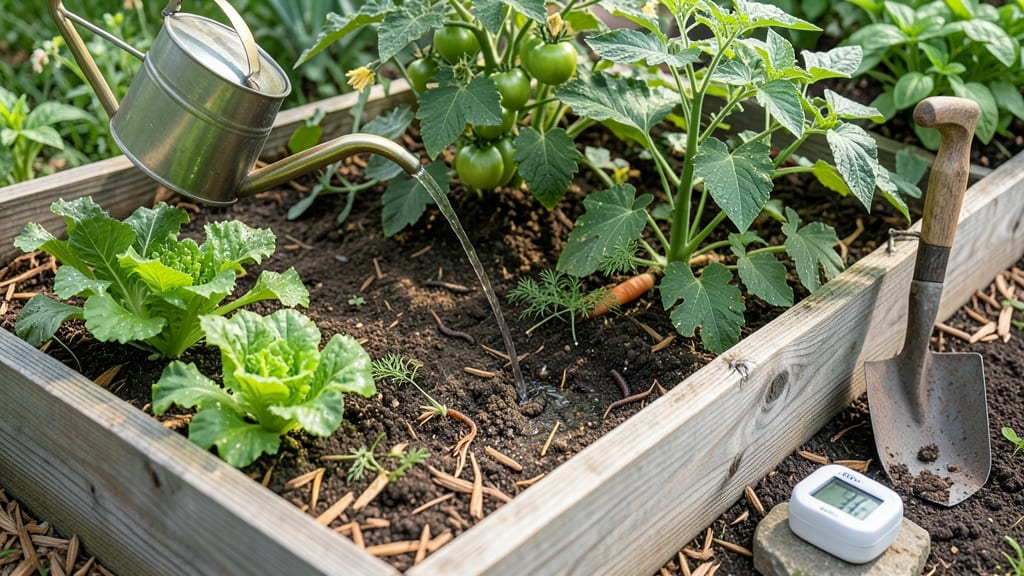
Vegetable garden watering frequency depends on your soil, climate, and the plants you’re growing — and getting it wrong can mean the difference between a bumper crop and a sad, wilted mess.
Struggling to keep your vegetable garden thriving? Overwatering or underwatering can destroy your crops faster than pests — so why guess when science has the answers?
Most gardeners water by habit, but what works for leafy greens like lettuce 🌱 isn’t enough for root crops like carrots. A one-size-fits-all approach leads to wasted water, stressed plants, and missed harvests.
Here’s how to water your vegetable garden the right way, based on plant types, soil conditions, and even the time of day — so you can grow food that thrives, not just survives.
How often to water vegetables: science-backed frequency by root depth
Watering your vegetable garden isn't just about keeping soil moist—it's about understanding how deep your plants' roots grow. Shallow-rooted veggies like lettuce and herbs need frequent, light watering, while deep-rooted crops such as carrots and tomatoes thrive with infrequent, deep soakings.
The key lies in matching your watering schedule to each plant's natural growth patterns and your local soil type.
Your soil type dramatically impacts water retention. Sandy soil drains quickly, requiring daily checks, while clay soil holds moisture longer, often needing watering every 3-4 days. Even within the same garden, a raised bed with compost-amended soil will retain moisture differently than native ground soil.
Let's break down the science so you can water with confidence.
Why root depth matters: Plants with shallow roots (under 12 inches) can't access deep moisture, so they rely on frequent surface watering. Deep-rooted plants (12+ inches) develop resilience by seeking water deeper in the soil profile. Overwatering shallow-rooted plants causes root rot, while underwatering deep-rooted plants stunts their growth potential.
For sandy soil, which drains water in under an hour, increase your watering frequency by 20-30%. Test moisture by sticking your finger 1-2 inches deep—if it feels dry, it's time to water.
In clay soil, which can stay soggy for days, reduce frequency by 25% and focus on deep watering to encourage roots to grow downward.
Climate plays a huge role too. In hot, dry zones (USDA 9-11), most vegetables need watering every 1-3 days, while in cooler, humid regions (USDA 4-6), you might only need to water every 3-5 days.
Always adjust based on recent rainfall—there's no need to water if the ground is already damp.
Deep watering is non-negotiable for vegetable health. Use a soaker hose or watering wand to deliver 1-1.5 inches of water per session, penetrating at least 6 inches into the soil. This encourages roots to grow deeper, making plants more drought-resistant. Shallow watering creates weak, surface roots that dry out quickly.
Watch your plants for signs of stress. Wilting by midday usually means underwatering, while yellowing leaves or mold at the soil line signals overwatering. Adjust your schedule based on these visual cues rather than sticking rigidly to a calendar.
Remember, morning watering is ideal as it reduces evaporation and fungal risks.
Pro tip: Group plants with similar water needs together in your garden layout. For example, place lettuce and radishes near your water source and tomatoes and peppers further away. This zone watering method saves time and ensures each plant gets exactly
Watering mistakes that kill vegetable plants (and how to fix them)
Even with perfect soil and sunlight, your vegetable garden can fail if you water incorrectly. I’ve seen tomatoes rot from soggy roots and peppers drop blooms because of inconsistent moisture.
The key is understanding how watering mistakes harm plants at a cellular level—and how to fix them before it’s too late.
Most gardeners think wilting means thirsty plants, but it’s often the opposite. Overwatering is just as deadly as underwatering, especially in containers where roots suffocate. Let’s break down the five most common watering blunders and how to reverse the damage.
🚨 Watering Frequency Warning
Vegetables need 1-1.5 inches of water per week, but frequency depends on soil type and weather. Sandy soil drains fast—water daily in summer. Clay soil holds moisture—water every 3-4 days. Always check soil 1 inch deep before watering again!
First, surface watering creates shallow roots. When you sprinkle the topsoil, plants develop weak root systems that can’t support heavy fruits like cucumbers or zucchini. Instead, water deeply at the base to encourage roots to grow downward.
Use a soaker hose or drip irrigation to deliver water slowly to the root zone.
Inconsistent schedules stress plants more than drought. I’ve noticed lettuce bolts to seed when it goes from bone-dry to soaked overnight. Stick to a routine: water early morning (before 9 AM) to reduce evaporation and fungal risks. A simple watering journal helps track patterns—mark days when soil feels dry or plants wilt.
Never water at night—this is a recipe for disaster. Moist leaves overnight create perfect conditions for powdery mildew on squash or blight on tomatoes. If you must water late, do it by 6 PM so foliage has time to dry.
For containers, water until you see runoff, but never leave saucers full of standing water.
Another silent killer is uneven watering across your garden. A carrot next to a radish might need different care, but both suffer if one gets more water. Group plants with similar needs together and adjust your watering zones.
For example, leafy greens like spinach need frequent shallow water, while root veggies like carrots prefer deep, infrequent soaks.
Finally, ignoring weather changes leads to wasted water or drowned plants. During heatwaves, increase frequency but reduce volume to prevent runoff. After heavy rain, pause watering for 2-3 days and check for root rot.
Mulch with straw or wood chips to lock in moisture and keep soil temps stable—this cuts watering needs by up to 30%.