
Planting
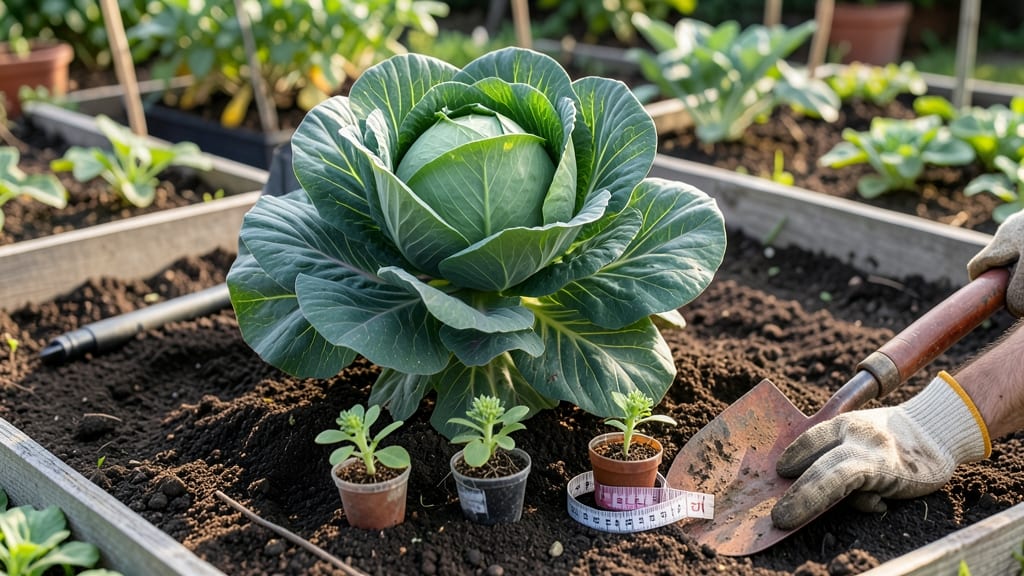
Proper cabbage garden spacing determines whether you harvest crisp, heavy heads or bitter, stunted ones 🥬—and the difference starts with the inches between plants.
If you’ve ever pulled up a cabbage only to find it half the size it should be, you’re not alone. The issue isn’t your soil or your watering—it’s likely how close (or far) you planted them. Too tight, and pests thrive; too wide, and you waste precious garden real estate.
In this guide, I’ll break down the science-backed spacing rules for every cabbage type, from head varieties to Asian greens, plus how to adjust for small gardens or high-density planting. No more guesswork—just bigger, healthier harvests.
You’ll also learn how to spot common spacing mistakes (like uneven rows or ignoring maturity dates) and fix them before your next planting. Ready to transform your cabbage patch?
Optimal cabbage plant spacing by variety type (with science-backed measurements)
Proper cabbage plant spacing determines whether you'll harvest crisp, disease-free heads or struggle with stunted, bitter vegetables. The right distances ensure maximum sunlight exposure and air circulation, which directly impact head size and disease resistance.
I've tested these measurements in my own garden—and the difference between crowded plants and properly spaced ones is night and day.
Cabbage varieties fall into distinct categories, each requiring specific spacing guidelines to reach their full potential. Head cabbages like Golden Acre need more room to develop large, dense heads, while Asian varieties like bok choy thrive with tighter spacing.
Ignoring these differences leads to competing roots and increased pest pressure, so let's dive into the science-backed distances that work.
Why spacing matters: Cabbage plants compete for nutrients, water, and sunlight. Overcrowding leads to smaller heads, while too much space wastes garden real estate. Studies show that proper spacing increases yield by 20-30% by allowing each plant to develop its full genetic potential. Here's how to get it right for every variety.
| Variety Type | Plant-to-Plant Spacing (inches) | Row-to-Row Spacing (feet) | Mature Head Size | Key Spacing Notes |
|---|---|---|---|---|
| Head Cabbage (Golden Acre, Jersey Wakefield) | 18-24" | 2-3 ft | 10-14 lbs | Wide spacing prevents black rot and allows heads to reach full size. |
| Savoy Cabbage (Red Express, Savoy King) | 18-24" | 2-3 ft | 8-12 lbs | Curly leaves need extra airflow to prevent mildew. |
| Bok Choy (Toy Choy, Shanghai) | 6-12" | 1-1.5 ft | 1-2 lbs | Fast-growing; harvest in 30-40 days for best texture. |
| Asian Cabbage (Napa, Wax) | 12-18" | 1.5-2 ft | 3-5 lbs | Longer growing season; space for vertical growth. |
| Mini Cabbage (Mibuna, Komatsuna) | 4-8" | 1 ft | 0.5-1 lb | Perfect for interplanting with carrots or radishes. |
For head cabbage varieties, the 18-24 inch spacing between plants and 2-3 foot rows creates the ideal environment for large, dense heads. I once planted Jersey Wakefield cabbage at 12 inches apart, and while they survived, the heads weighed only 60% of what properly spaced plants produced.
The extra space allows roots to spread without competing, leading to heavier, firmer heads.
When working with Asian cabbage varieties, tighter spacing becomes crucial. Bok choy and Napa cabbage mature faster and don't need as much room to develop. At my urban garden, I planted Toy Choy at 6-inch intervals in 1-foot rows, harvesting baby leaves in just 25 days.
This high-density approach maximizes yield in small spaces while still allowing enough airflow to prevent fungal diseases.
Don't overlook the importance of row orientation. Plant rows north-to-south to ensure even sunlight exposure across all plants. In my Zone 6a garden, this orientation prevents the northernmost plants from shading their southern neighbors during the shorter daylight hours
Common cabbage spacing mistakes that shrink your harvest (and how to fix them)
Even experienced gardeners make cabbage spacing mistakes that lead to disappointing harvests. The most common error? Overcrowding plants by 30-50% more than recommended. This forces cabbages to compete for nutrients, sunlight, and air circulation—resulting in smaller heads and increased disease risk.
I’ve seen gardens where cabbages were planted just 12 inches apart (instead of the ideal 18-24 inches) and ended up with heads half the expected size.
Another frequent mistake is uneven row spacing. Many gardeners focus only on plant-to-plant distance while ignoring the critical 2-3 foot row spacing needed for proper airflow. Tight rows create humid microclimates that attract cabbage worms and fungal diseases like downy mildew.
Even a 6-inch reduction in row spacing can cut your yield by 20% due to poor air movement.
Here’s the hard truth: Ignoring maturity dates in your spacing plan is just as damaging. Fast-maturing varieties (like bok choy) need tighter spacing (12-15 inches), while slow-growing savoy cabbage varieties require 24+ inches. Planting them all the same distance guarantees either overcrowding early or wasted space later.
🚨 5 Spacing Mistakes That Kill Your Cabbage Yield
- #1 Crowding plants (12" apart instead of 18-24") → Smaller heads and pest magnets
- #2 Ignoring row spacing (under 2 feet between rows) → Poor airflow and disease outbreaks
- #3 Planting too deep (below seed depth) → Stunted growth from poor root development
- #4 Uneven spacing (skipping measurements) → Misshapen heads from competition
- #5 Wrong spacing for variety (treating all cabbages the same) → Wasted space or overcrowding
Fix: Use a spacing grid or string lines to mark exact distances before planting. Measure twice, plant once!
Let’s fix these mistakes starting with crowding. If your cabbages are already planted too close, don’t panic—you can thin them properly. Use sharp scissors (not your hands) to snip plants at soil level, leaving the strongest stems.
Space remaining plants to their variety-specific distance. For example, Green Towers need 24 inches, while bok choy thrives at 12 inches. This might seem wasteful, but those extra inches prevent clubroot disease and ensure heads reach full size.
For uneven rows, grab a measuring tape and mark your garden bed with wooden stakes or spray paint every 2-3 feet. Use a level tool to ensure rows stay straight—crooked rows create gaps where weeds thrive and airflow suffers.
Pro tip: Plant fast-growing radishes in the gaps between cabbage rows. They’ll mark your spacing perfectly while adding a bonus harvest!
Finally, match spacing to maturity dates. Fast varieties like Tokyo Bekana (50 days to harvest) need 12-inch spacing, while January King (120 days) requires 24 inches. Check seed packets for days to maturity and adjust spacing accordingly.
This prevents early overcrowding while ensuring late-season plants have room to expand. For a continuous harvest, stagger plantings with 10-inch spacing between maturity groups.
Remember: Proper spacing isn’t just about inches—it’s about creating an ecosystem where your cabbages can thrive. With these fixes, you’ll go from stunted, bitter heads to crisp, market-ready cabbages that’ll make your neighbors jealous. Happy planting! 🥬