
Companion Plants
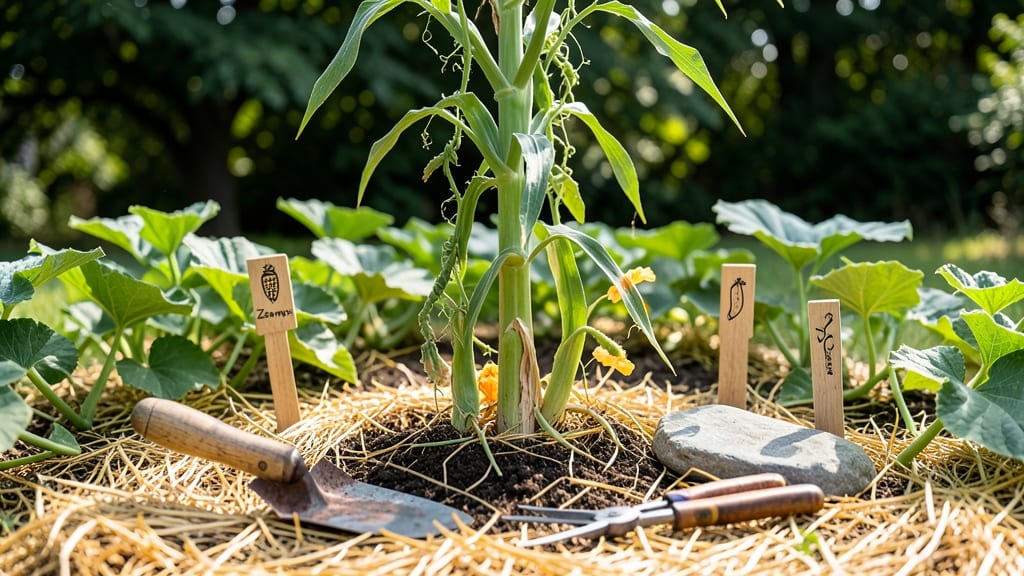
A companion garden layout turns your yard into a thriving ecosystem where every plant works together to boost growth, deter pests, and attract pollinators—without the guesswork.
Picture this: your tomatoes flourishing because nearby basil keeps pests at bay, while marigolds in the corners repel rabbits and your herbs grow lush just inches away. That’s the magic of a well-planned layout, where science-backed pairings replace chemical sprays and trial-and-error planting.
But here’s the catch: not all plants play well together. Overcrowding, mismatched sunlight needs, or ignoring vertical space can turn your dream garden into a tangled mess. The key? A strategic 3D approach—layering plants by height, pairing them for mutual benefits, and designing for airflow and aesthetics.
In this guide, I’ll walk you through the best plant combinations, common mistakes to avoid, and step-by-step tips to create a layout that’s both beautiful and highly functional. Ready to design a garden that works as hard as you do?
How to design a 3-Dimensional companion garden layout for maximum pollinator support
A 3-dimensional companion garden isn't just about planting—it's about creating a living ecosystem where every layer works together. By stacking plants vertically, adding ground covers, and incorporating canopies, you maximize pollinator access while optimizing space.
This approach mimics nature, where plants grow in diverse layers to support wildlife and improve soil health.
Start with the canopy layer—tall plants like sunflowers or hollyhocks—providing shade and shelter for smaller species. Add mid-height companions such as basil or dill to attract bees and butterflies, while ground covers like clover or thyme prevent erosion and keep weeds at bay.
The key? Strategic placement ensures each plant benefits its neighbors without competing for resources.
Here’s how to structure your layered companion garden for peak pollinator support, including height guidelines and ideal pairings:
| Layer | Plant Height (ft) | Example Plants | Pollinator Benefit | Companion Pairings |
|---|---|---|---|---|
| Canopy | 6-8 | Sunflowers, Hollyhocks, Bee Balm | Bees, Butterflies | Basil, Marigolds, Dill |
| Mid-Height | 2-4 | Basil, Dill, Lavender | Bees, Hummingbirds | Tomatoes, Peppers, Carrots |
| Ground Cover | 0.5-1 | Clover, Thyme, Creeping Phlox | Ground Bees, Ants | Strawberries, Lettuce, Radishes |
| Vertical Support | Varies (Trellis) | Cucumbers, Beans, Morning Glories | Bees, Butterflies | Nasturtiums, Marigolds |
For the canopy layer, prioritize plants with long bloom times like bee balm or coneflowers. These act as pollinator magnets, drawing bees and butterflies that will then visit lower layers. Pair them with herbs like basil or dill, which repel pests while attracting beneficial insects.
In the mid-height layer, focus on flowering herbs and vegetables with flat surfaces (like basil leaves) to provide landing spots for pollinators. Avoid overcrowding—leave 12-18 inches between plants to ensure airflow and easy access for bees. Add marigolds or nasturtiums to deter aphids naturally.
Ground covers are often underutilized but critical for pollinators like ground-nesting bees. Plants like creeping thyme or clover suppress weeds, retain moisture, and provide early-season nectar. They also improve soil health by fixing nitrogen, which benefits nearby vegetables like tomatoes or peppers.
Incorporate vertical elements like trellises or obelisks to maximize space and create pollinator highways. Climbing plants such as morning glories or cucumbers attract bees while keeping pests off the ground. Pair them with companion flowers like nasturtiums, which deter squash bugs and add vibrant color.
When designing your layout, group plants with similar water and sunlight needs to simplify maintenance. For example, place drought-tolerant lavender near rosemary or thyme in sunny spots, while shade-loving plants like mint or parsley can thrive under taller canopies. This zoning approach ensures no plant is stressed by inconsistent conditions.
Don’t forget to include year-round interest by mixing perennials with annuals. Perennials like lavender or Russian sage provide structure and late-season blooms, while annuals like cosmos or zinnias offer vibrant color and continuous nectar. This diversity keeps pollinators visiting from spring through fall.
Finally, leave some bare soil or small patches for ground-nesting bees. These pollinators prefer open spaces to dig their nests, and they’re essential for early-season pollination. Avoid over-mulching—use organic mulch sparingly to retain moisture without blocking access for beneficial insects.
With these layered strategies, your garden will become a pollinator paradise, bustling with activity while naturally controlling pests. Start small—even a 4x4-foot bed can support a thriving ecosystem when designed thoughtfully.
Best pest-repelling plant combinations for common garden threats
Aphids, rabbits, deer, and fungal diseases can wreak havoc on your garden, but nature provides built-in defenses through companion planting. Strategic plant pairings create a natural pest barrier while improving plant health. The key lies in understanding which plants release repellent compounds or attract beneficial predators to outcompete pests.
For example, marigolds emit a scent that deters nematodes and aphids, while garlic and onions release sulfur compounds that repel deer and rabbits. Pairing these with vulnerable crops creates a protective shield without chemicals. Let’s explore the most effective pairings for your garden’s biggest threats.
🌱 Pest-Repelling Plant Pairings
- ✅ Natural pest control without chemicals
- ✅ Improves soil health through diverse root systems
- ✅ Attracts pollinators like bees and butterflies
- ✅ Reduces fungal diseases via airflow improvement
- ⚠️ Requires research to avoid incompatible pairings
- ⚠️ Space constraints in small gardens
- ⚠️ Some plants compete for nutrients if overcrowded
Top Pairings by Threat
| Threat | Repellent Plant | Protective Companion |
|---|---|---|
| Aphids | Marigolds | Basil, Garlic, or Chives |
| Rabbits/Deer | Rosemary | Lavender, Sage, or Boxwood |
| Fungal Diseases | Chives | Alliums (Onions, Leeks) |
| Japanese Beetles | Tansy | Garlic or Marigolds |
Start with marigolds as your foundation—they’re the ultimate aphid repellent and pair beautifully with tomatoes, peppers, and cucumbers. Plant them in a border around vulnerable crops or intersperse them every 2-3 feet. Their bright blooms also attract ladybugs, which devour aphids on sight.
For deer and rabbit threats, create a perimeter barrier using rosemary, lavender, or boxwood. These plants release strong fragrances that deter browsing animals. Pair them with garlic or onions near high-value crops like lettuce or kale, as their pungent scent acts as a double-layered defense.
Fungal diseases thrive in damp, stagnant conditions, but chives and alliums release natural fungicides into the soil. Plant them near strawberries, raspberries, or tomatoes to reduce blight and powdery mildew. Their fibrous roots also improve soil aeration, further preventing fungal spread.
Remember, the key to success is diversity and balance. Avoid planting too many of the same repellent species, as pests can adapt. Rotate your pairings yearly and monitor which combinations work best in your local climate.
With the right layout, your garden will become a self-defending ecosystem—where pests think twice before attacking.