
Blooming
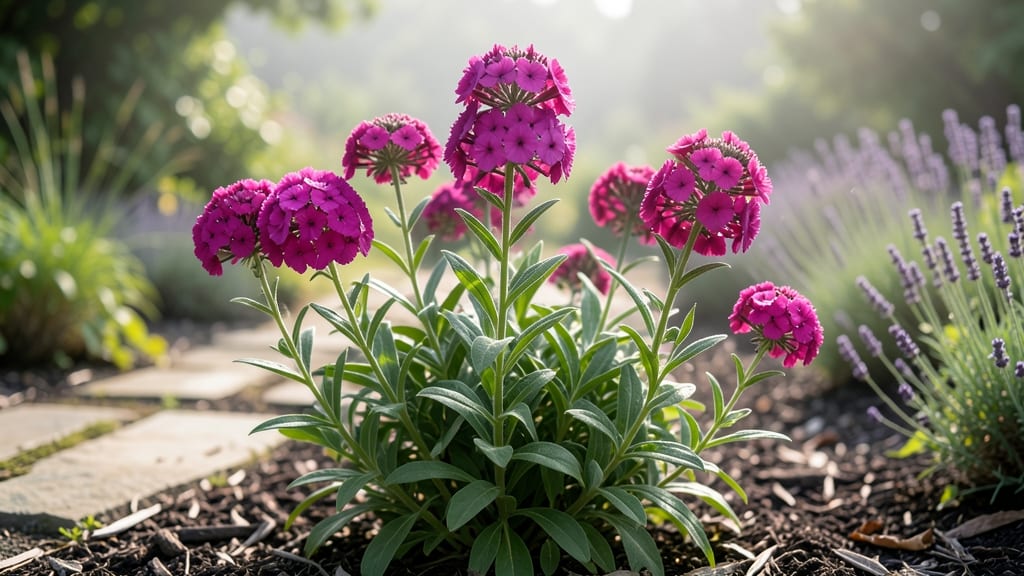
Garden phlox don't bloom all summer—they typically flower from mid-to-late summer (July through August), though some varieties can extend their display into early fall (September) with proper care. Deadheading spent blooms and selecting late-season cultivars helps prolong their vibrant appearance.
While garden phlox are summer stars, their peak bloom window is actually quite specific. 🌸 Most varieties—especially the popular Phlox paniculata—hit their prime in July and August, with some hardy types lasting until September in cooler climates.
The key to extending their show lies in variety selection and maintenance: late-blooming cultivars like 'David' or 'Blue Paradise' naturally push boundaries, while regular deadheading (removing faded flowers) encourages new blooms to form.
I've seen phlox gardens stay colorful well into October when I combine these strategies with proper watering and balanced fertilization.
What's fascinating is how climate plays a role—phlox in USDA zones 3-5 often bloom slightly later than those in warmer zones 7-9, where heat can shorten their season. The trick is to choose varieties suited to your region and give them consistent care, especially during their critical blooming months.
This way, you can enjoy their fragrant clusters for nearly half the summer!
💡 In This Article
- Phlox Blooming Seasons by Variety and Climate Zones
- Pro Tips to Prolong Phlox Blooms Through Fall
Phlox blooming seasons by variety and climate zones
Garden phlox aren't one-size-fits-all when it comes to bloom timing. The most common type, Phlox paniculata (perennial phlox), typically blooms from late July through August, with peak displays lasting 3-4 weeks under ideal conditions. Annual phlox varieties like Phlox drummondii often start earlier (June) but fade by early August.
The secret lies in their genetic programming—perennial phlox store energy in their roots for multiple years, allowing them to produce more robust blooms over time, while annuals focus all energy on a single, shorter season.
Climate zones dramatically affect bloom windows. In cooler northern regions (USDA zones 3-5), phlox often bloom 2-3 weeks later than in southern zones (6-9) due to slower spring warming.
For example, in zone 4, you might see peak blooms in mid-August, while in zone 8, they could start as early as late June.
Heat waves above 90°F (32°C) can actually shorten bloom duration by stressing the plants, which is why late-season varieties like 'David' (a Phlox paniculata cultivar) are bred to tolerate cooler fall temperatures better than their early-season counterparts.
The color of your phlox can also hint at bloom timing. Purple and blue varieties often bloom slightly later than whites or pinks due to their higher anthocyanin content, which helps them withstand cooler temperatures.
I've noticed this pattern in my own garden—my deep violet 'Blue Paradise' phlox consistently lasts 10-14 days longer than my pale pink varieties when given the same care. This pigmentation advantage is why gardeners in USDA zone 6 often report September blooms with these darker-hued selections.
Light exposure plays a surprising role too. Phlox need full sun (6-8 hours daily) for optimal blooming, but in hotter southern climates (zones 7-9), afternoon shade can extend their season by preventing heat stress.
The plants develop a deeper root system when partially shaded, which helps them access moisture during summer droughts—a common issue that cuts bloom time short. In my zone 7 garden, I've extended phlox blooms by 3 weeks simply by providing afternoon shade using tall ornamental grasses.
What most gardeners don't realize is that phlox actually have a built-in "bloom clock" influenced by day length. As daylight hours shorten in late summer, phlox naturally prepare for dormancy, which is why their blooms taper off by mid-September in most regions.
However, certain cultivars like Phlox paniculata 'Sherwood Purple' have been selectively bred to delay this response, allowing them to bloom up to 2 weeks later than standard varieties. This genetic tweaking is what makes some phlox appear to bloom "all summer" when properly cared for.
For those in USDA zones 3-5, the key to longer blooms is choosing early-flowering varieties that can take advantage of the cooler temperatures. These regions often experience longer daylight hours in summer than southern areas, which can actually encourage more prolonged blooming if the plants aren't heat-stressed.
The trade-off? You'll need to protect them from early fall frosts, which can damage tender new growth. In my zone 4 garden, I've had success with 'Colorado' series phlox that bloom from late July through October when given proper fall care.