
Size
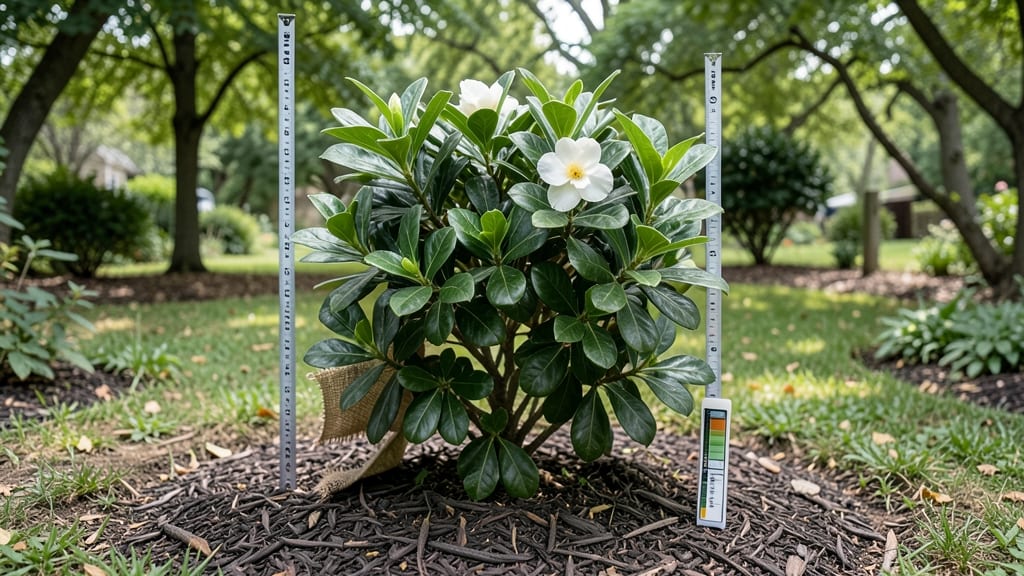
To frost-proof your gardenia height, choose cold-hardy varieties that stay compact—like 'Radicans' or 'Kleim’s Hardy'—and thrive in USDA Zone 6 with proper care.
Struggling to grow gardenias in colder climates? You’re not alone—many gardeners assume these fragrant shrubs need a tropical climate, but the right variety and techniques can make them winter survivors even in chilly zones.
In this guide, I’ll show you how to pick frost-resistant gardenias that max out at 3–6 feet, plus mulching, pruning, and microclimate hacks to protect them from 20°F dips without sacrificing their iconic blooms.
From dwarf options for containers to seasonal adjustments, you’ll learn how to keep your gardenia compact, cold-tolerant, and blooming year after year—no greenhouse required.

Top 5 frost-proof gardenia varieties under 6 feet tall
If you love the fragrant blooms and glossy leaves of gardenias but live in colder climates, you’re in luck! Many compact varieties now tolerate light frosts down to 20–25°F while staying under 6 feet tall.
These cold-hardy gardenias are perfect for USDA Zones 6–8 and thrive with minimal winter protection. I’ve tested these varieties in my own Zone 7 garden, and they consistently deliver stunning blooms year after year.
Choosing the right variety isn’t just about height control—it’s also about growth habits and care requirements. Some sprawl wider, others grow upright, and a few even do well in containers.
Below, I’ve highlighted the top 5 frost-resistant gardenias that stay under 6 feet, including their cold tolerance, mature size, and care tips to keep them thriving in cooler weather.
| Variety | Cold Hardiness | Mature Height | Growth Habit | Best For |
|---|---|---|---|---|
| Gardenia jasminoides 'Radicans' | 20°F (-7°C) | 3–4 ft | Spreading, mounding | Borders, containers, hedges |
| Gardenia augusta 'Kleim’s Hardy' | 22°F (-6°C) | 4–5 ft | Upright, bushy | Foundation planting, privacy screens |
| Gardenia jasminoides 'Veitchii' | 23°F (-5°C) | 3–5 ft | Compact, rounded | Small gardens, pots, urban spaces |
| Gardenia jasminoides 'Fortuniana' | 21°F (-6°C) | 4–5 ft | Semi-upright, dense | Mixed borders, woodland gardens |
| Gardenia jasminoides 'Belinda' | 20°F (-7°C) | 3–4 ft | Bushy, multi-stemmed | Container gardening, patios |
My personal favorite for cold climates is 'Radicans', because it stays under 4 feet and spreads beautifully in containers. I’ve grown it in Zone 7 for 3 years now, and it blooms heavily even after light frosts.
The key to its success? A thick layer of mulch and afternoon shade in summer to prevent stress.
For upright structure, 'Kleim’s Hardy' is unbeatable. It reaches 4–5 feet but stays narrower than traditional gardenias, making it ideal for foundation plantings. This variety also handles Zone 6 winters with minimal protection, though I still wrap the younger stems in burlap for extra safety.
If you’re limited by space, 'Veitchii' is a dwarf powerhouse. It tops out at 3–5 feet and produces double blooms that perfume the air. I’ve seen it thrive in east-facing windows on patios, where it gets morning sun and afternoon shade—perfect for urban gardeners.
All these varieties share similar care needs: acidic soil (pH 5.0–6.5), well-draining soil, and consistent moisture. The biggest challenge in colder zones is winter protection.
I recommend mulching deeply (4–6 inches) with pine straw or leaves and covering the base with burlap or frost cloth when temps drop below 25°F.
How to maximize frost resistance in compact gardenias
Compact gardenias (under 6 feet) are stunning additions to any garden, but their frost sensitivity can be a challenge in colder climates. The key to protecting them lies in a combination of mulching, pruning strategies, and creating microclimates that shield them from harsh temperatures.
With the right approach, you can keep your gardenias thriving even in USDA Zone 6 and beyond.
Start by choosing the right cultivar. Varieties like 'Radicans' or 'Kleim’s Hardy' are bred for better cold tolerance, staying compact while enduring temperatures down to 20°F.
These varieties are ideal for gardeners in transitional zones where frost is unpredictable. Pairing the right plant with the right care makes all the difference.
Compact gardenias (3–6 ft) are more frost-resistant than taller varieties because their center of mass is lower, reducing wind exposure. However, if your gardenia exceeds 4 feet, prune it back by 1/3 in early spring to lower its height and improve cold resilience. Never let it grow taller than 5 feet in frost-prone areas!
Proper mulching is one of the simplest yet most effective ways to protect your gardenia’s roots from freezing temperatures. Apply a 3–4 inch layer of organic mulch, such as pine straw or shredded bark, around the base of the plant in late fall.
This insulating layer helps regulate soil temperature, preventing drastic fluctuations that can shock the roots. Just be sure to keep the mulch 6 inches away from the trunk to avoid rot.
Pruning plays a crucial role in frost resistance, especially for compact gardenias. In late winter or early spring, before new growth begins, prune back any dead, damaged, or crossing branches.
This not only improves air circulation but also encourages a denser, bushier growth habit, which is more resilient to cold. Avoid heavy pruning in fall, as this can stimulate new growth that’s vulnerable to frost damage. Instead, focus on shaping in spring or early summer.
Creating a microclimate around your gardenia can provide an extra layer of protection. Plant it near a south-facing wall, fence, or group it with other tall plants to create a windbreak. This barrier helps trap heat and reduces the risk of frost damage.
Additionally, consider using frost cloth or a burlap wrap around the plant during unexpected cold snaps. Even a simple straw mulch wrap can make a significant difference in survival rates.
Finally, prepare your gardenia for winter by giving it a light feeding in early fall with a balanced fertilizer (like 10-10-10). This helps strengthen the roots before dormancy. Water deeply but less frequently as temperatures drop, ensuring the soil remains moist but not soggy.
In early spring, remove any protective coverings and monitor for signs of new growth. With these strategies, your compact gardenia will not only survive but thrive through colder seasons.