
Advice
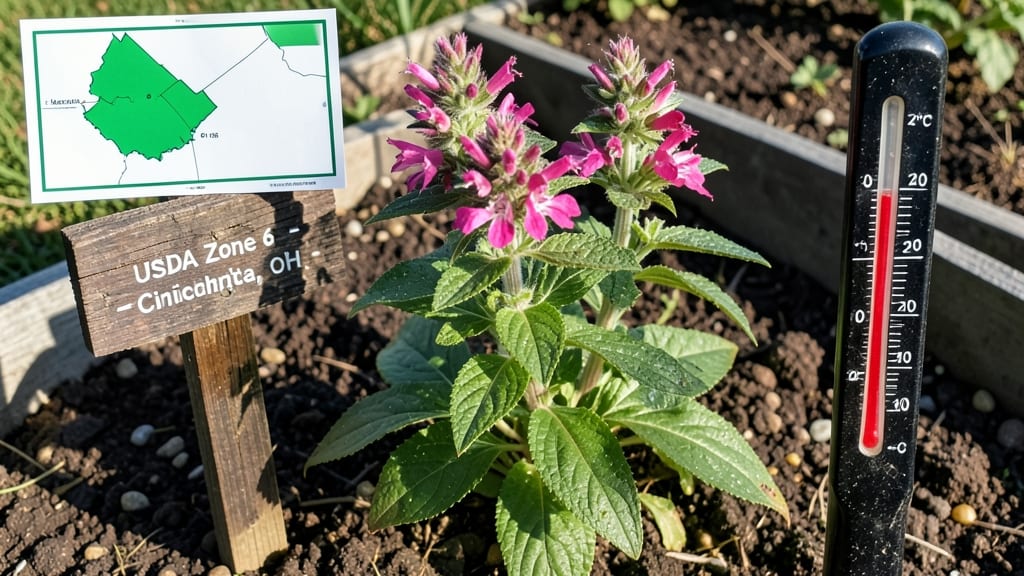
Cincinnati, Ohio, sits squarely in USDA Plant Hardiness Zones 6a and 6b, where winter lows dip to -10°F to 0°F and summers hit 90°F+—meaning your garden choices depend on knowing these numbers.
If you're planning a garden in Cincinnati, knowing your USDA planting zone is the first step to choosing the right plants—and avoiding costly mistakes. But Cincinnati's microclimates mean your backyard could behave differently than the official zone suggests.
Zone 6a (average last frost: April 15) and 6b (slightly warmer) shape when you plant perennials, when tomatoes ripen, and even which trees survive winter. A 5°F difference can mean the gap between thriving and struggling.
Below, I’ll break down how to use the USDA map, spot your microclimate, and pick plants that match Cincinnati’s 165 frost-free days—plus the 3 seasonal rules every local gardener should follow.
Cincinnati's official USDA plant hardiness zones 6a-6b: what it means for your garden
Cincinnati falls primarily in USDA Plant Hardiness Zones 6a and 6b, where average minimum winter temperatures range from -10°F to 0°F (-23°C to -18°C). This classification helps gardeners select plants that can survive Cincinnati's cold winters while thriving in its humid summers.
Understanding your zone ensures you choose perennials, trees, and shrubs that won't succumb to unexpected freezes or struggle in summer heat.
Zone 6a covers areas with -10°F to -5°F (-23°C to -21°C) winter lows, while Zone 6b has slightly milder winters at -5°F to 0°F (-21°C to -18°C). Most of Cincinnati sits in Zone 6b, but northern suburbs like Milford or Loveland may dip into Zone 6a.
These subtle differences impact which fruit trees, roses, and cold-hardy vegetables will survive winter.
Cincinnati's last average frost date is around April 15, while the first frost typically arrives October 15.
These dates create a 165-day growing season, giving gardeners time to grow cool-season crops like kale and broccoli in early spring and late summer, while warm-season plants like tomatoes need to be started indoors 6-8 weeks before the last frost.
Your USDA zone determines more than just winter survival—it dictates planting schedules, mulching needs, and even watering frequency. For example, peony plants thrive in Zone 6b but may struggle in Zone 6a's colder pockets.
Meanwhile, hydrangeas can handle both zones but may need winter protection in Zone 6a. Always check a plant's USDA zone range before purchasing to avoid disappointment.
Here’s a quick reference for Cincinnati’s key growing conditions based on your zone:
| Zone Details | Zone 6a | Zone 6b |
|---|---|---|
| Winter Low | -10°F to -5°F (-23°C to -21°C) | -5°F to 0°F (-21°C to -18°C) |
| Last Frost Date | April 15 (earlier in urban areas) | April 15 (consistent) |
| First Frost Date | October 10 (earlier in rural areas) | October 15 (later in urban areas) |
| Growing Season Length | 160-165 days | 165-170 days |
| Summer Heat Tolerance | Moderate (humidity stress) | Moderate (urban heat islands) |
| Example Cold-Hardy Plants | Russian Sage, Ninebark, Lilacs | Peonies, Hydrangeas, Apple Trees |
| Mulching Depth | 3-4 inches (extra for roots) | 2-3 inches (standard) |
If you're planting perennials or shrubs, Zone 6b offers slightly more flexibility for tender varieties like butterfly bush (Buddleia) or crape myrtle, which may need winter protection in Zone 6a. For vegetable gardens, focus on cool-season crops like spinach and peas in early spring, then transition to tomatoes, peppers, and squash after the last frost.
Seasonal variations matter too. Cincinnati’s humid summers can stress plants, so mulching and consistent watering are critical. In fall, cover crops like clover can protect soil from erosion and improve next year’s garden.
Always adjust planting dates by 1-2 weeks based on your microclimate—urban areas may warm up faster than rural spots.
To verify your exact zone, use the USDA Plant Hardiness Zone Map or check local resources like the Ohio State University Extension. They provide hyper-local adjustments for elevation and urban heat effects.
For example, areas near the Ohio River might experience slightly milder winters due to the river’s moderating influence.
Pro tip: Keep a gardening journal to track your frost dates and plant performance. Over time, you’ll spot patterns—like if your yard consistently warms up 2 weeks earlier than the average last frost date. This helps fine-tune your planting schedule for maximum success in Cincinnati’s unique
Microclimates in Cincinnati: how your backyard might differ from USDA zones
Cincinnati's official USDA Zone 6a-6b gives you a starting point, but your actual backyard might experience warmer or cooler microclimates depending on location. Urban heat islands, elevation changes, and proximity to the Ohio River can create pockets where temperatures differ by 5-10°F from the average zone rating.
For example, areas near downtown or along the river often experience urban heat island effects, where pavement and buildings trap heat, creating a Zone 7-like microclimate in summer. Meanwhile, shaded hillsides or wooded areas may stay cooler, mimicking Zone 5 conditions in winter.
🌡️ Key Microclimate Factors in Cincinnati
- 🏙️ Urban Heat Islands: Downtown areas can be 5-10°F warmer than suburbs, extending the growing season by 2-3 weeks.
- 🌳 Shaded Areas: Wooded yards or north-facing spaces may experience later spring planting and earlier fall frosts.
- 🌊 Ohio River Proximity: River-adjacent zones stay 3-5°F cooler in summer due to lake breezes but may have higher humidity.
- 🏔️ Elevation Changes: Higher elevations (e.g., Mill Creek Valley) can experience Zone 5-like winters.
- 🌞 South-Facing Yards: Receive 6+ hours of direct sun, ideal for heat-loving plants like tomatoes and peppers.
To adapt your garden, observe your space for 2-3 growing seasons and note where plants thrive or struggle. For instance, roses and lavender may flourish in sunny urban pockets but wilt in shaded microclimates. Conversely, hostas and ferns will thrive in cooler, shadier areas where other plants fail.
Adjust your planting schedule based on microclimates: Start heat-loving crops like okra or sweet potatoes in urban heat islands 2 weeks earlier than the general Zone 6a guideline. In cooler microclimates, opt for cold-hardy varieties like kale or Swiss chard, which tolerate lighter frosts.
Use mulch and windbreaks to modify extreme microclimates. A 3-inch layer of straw mulch can protect tender plants in cool pockets, while light-colored gravel reflects heat in urban hotspots. For river-adjacent gardens, drip irrigation helps manage humidity-related fungal risks.
Test your microclimate with a minimum-maximum thermometer placed at plant height for a full year. This data will help you fine-tune plant selections, from Zone 7 heat-tolerant perennials to Zone 5 cold-hardy shrubs, ensuring your garden thrives year-round.