
Shrubs
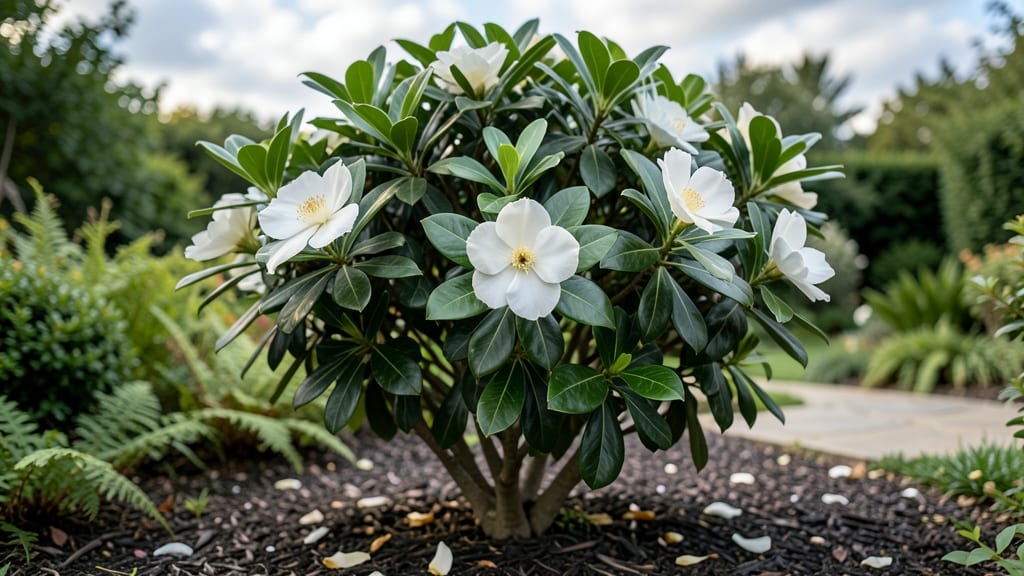
A full-grown gardenia bush 🌸 can reach heights of 3–6 feet and shower your garden with intoxicating blooms—but only if you prune it right.
Picture this: you’ve waited years for your gardenia to mature, only to find it’s throwing out sparse, weak flowers instead of the fragrant clusters you dream of. The secret? Pruning isn’t just about shaping—it’s about reviving the plant’s energy and encouraging those signature white blooms.
In this guide, I’ll walk you through the exact when and how to prune your gardenia for year-round fragrance, plus the 3 most common mistakes that turn your bush into a blooming disappointment. No guesswork, just proven techniques.
Ready to transform your gardenia from a lazy shrub into a fragrant powerhouse? Let’s get started.
When and how to prune a full-grown gardenia bush for maximum blooms
Pruning your full-grown gardenia bush isn’t just about shaping—it’s about unlocking its full fragrance potential. The right cuts at the right time can transform your shrub into a blooming powerhouse, while wrong moves risk stunting growth or reducing scent.
Timing matters most: spring pruning (just after blooms fade) stimulates new growth, while fall pruning (light shaping only) prepares the plant for winter dormancy. Let’s dive into the exact techniques to maximize those intoxicating white blooms.
Before grabbing your shears, gather the right tools. A sharp bypass pruner (for clean cuts) and sterilized alcohol wipes (to prevent disease spread) are essential. Avoid dull tools—they tear plant tissue, inviting infections.
I also recommend keeping a small spray bottle with diluted hydrogen peroxide (1 part peroxide to 4 parts water) to disinfect cuts immediately. This step alone can double your gardenia’s resilience during the pruning process.
Step-by-Step Pruning Guide for Maximum Blooms
- 1 Choose the right season: Prune right after spring blooms fade (April–May in most zones) or lightly in early fall (September) to shape without stressing the plant.
- 2 Remove dead/diseased wood: Cut out brown, brittle, or blackened branches at the base using sterilized shears. These branches steal energy from healthy growth.
- 3 Thin out crowded branches: Target crossing or rubbing branches—cut these at the branch collar (the swollen area where the branch meets the trunk). Aim for an open vase shape to improve airflow.
- 4 Shape for sunlight access: Trim overly dense inner growth to let light reach the center of the bush. This encourages blooms on new wood, which is where gardenias produce their most fragrant flowers.
- 5 Avoid heavy pruning: Never remove more than 1/3 of the plant in one session. Gardenias bloom on current season’s growth, so aggressive cuts reduce next year’s flowers.
- 6 Clean up and fertilize: Dispose of pruned branches off-site (not in your compost). After pruning, apply a balanced fertilizer (10-10-10) to support new growth.
Spring pruning is your golden window for encouraging abundant blooms. When you prune just after the flowers fade (typically late April to early May), you’re signaling the plant to focus energy on producing new flowering branches for next season.
I’ve seen gardenias that were once sparse bloomers transform into fragrant giants after just one season of proper spring pruning. The key is to never prune in fall for heavy shaping—this can leave the plant vulnerable to winter damage.
If you live in a warmer climate (zones 8–11), you can prune lightly in early fall (September) to tidy up the plant before winter. However, avoid heavy cuts—gardenia bushes in warm zones often bloom year-round, and aggressive fall pruning can reduce next year’s scent production.
Instead, focus on removing only dead wood or overly leggy branches that detract from the plant’s shape.
One of the biggest mistakes I see is pruning at the wrong angle. Always cut just above a leaf node or outward-facing bud—never leave a stub. A proper cut should be 45-degree angle, about 1/4 inch above the bud.
This ensures the plant directs energy to the new growth rather than sealing off the wound. For larger branches (over 1/2 inch thick), make a small undercut first to prevent tearing when you complete the cut.
After pruning, your gardenia will need extra care to recover. Water deeply (1–2 gallons per shrub) and mulch around the base with 2–3 inches of pine bark mulch to retain moisture and regulate soil temperature.
Avoid fertilizing immediately—wait 4–6 weeks to let the plant establish new roots. In hot climates, provide afternoon shade for a few weeks post-pruning to reduce stress on the plant.
Pro tip: If your gardenia’s blooms are smaller or less fragrant than usual after pruning, it might need a phosphorus boost. Use a bloom-specific fertilizer (5-10-10) in early summer to encourage more abundant, fragrant flowers.
I’ve found that gardenias respond beautifully to this extra phosphorus kick—just be sure to water thoroughly after applying to prevent root burn.
Finally, observe your gardenia’s growth habits. Some varieties, like ‘Kleim’s Hardy’, bloom on old and new wood, while others (like ‘Radicans’) rely solely on new growth.
Adjust your pruning schedule accordingly—heavy pruners for new-wood bloomers, and gentler shaping for old-wood varieties. Pay attention, and your gardenia will reward you with months of intoxicating fragrance.
With these techniques, your full-grown gardenia bush
Common pruning mistakes that kill gardenia fragrance (and how to fix them)
A full-grown gardenia bush can become a fragrant powerhouse, but even small pruning errors can turn your blooms sparse or your branches lifeless. The key is understanding how gardenias respond to cuts—and what to avoid.
I’ve seen gardeners accidentally turn their fragrant shrubs into leggy, weak plants by making these common mistakes.
One of the biggest offenders is pruning at the wrong time. Gardenias bloom on new wood, meaning they need fresh growth to produce flowers. If you cut back too late in the season, you might remove next year’s blooms before they even form.
Timing isn’t just about when you prune—it’s also about how much you remove.
Another frequent mistake is using the wrong tools or making jagged cuts. A dull saw or shears can tear the bark, leaving your gardenia vulnerable to disease. Even worse, improper cuts can create entry points for pests like scale insects, which love to feast on stressed gardenias.
Let’s fix these issues before your bush loses its signature scent.
⚠️ callout-warning ⚠️
- Over-pruning: Never remove more than 1/3 of the bush at once. Cutting back too aggressively stresses the plant and reduces next year’s blooms.
- Wrong timing: Avoid pruning after June 1st. Late-season cuts delay flower buds from forming for spring blooms.
- Improper cuts: Never leave stubs. Always cut just above a leaf node or bud to encourage new growth.
🌿 Fix it: Prune in early spring (March) or right after blooming (July). Use sterilized shears and make clean, angled cuts.
Let’s start with the most common mistake: over-pruning. I’ve seen gardeners eager to shape their gardenia into a perfect topiary, only to end up with a bush that barely produces flowers. Gardenias are delicate—they rely on a balance of old and new growth.
If you remove too many branches at once, the plant diverts energy to recovery instead of blooming. Aim to prune lightly each year, focusing on dead or crossing branches first.
Next, timing plays a critical role. Pruning too early in spring can expose your gardenia to late frost damage, while pruning too late in summer cuts off potential flower buds.
The sweet spot is early spring (just as new growth begins) or right after blooming (July). This gives your bush time to recover and set buds for next season’s fragrance.
Finally, never underestimate the power of clean cuts. A jagged or stubbed cut invites disease and pests. Always use sharp, sterilized pruners and cut at a 45-degree angle, just above a leaf node or outward-facing bud.
This encourages healthy growth and keeps your gardenia thriving. With these fixes, your bush will reward you with months of intoxicating blooms.