
How To
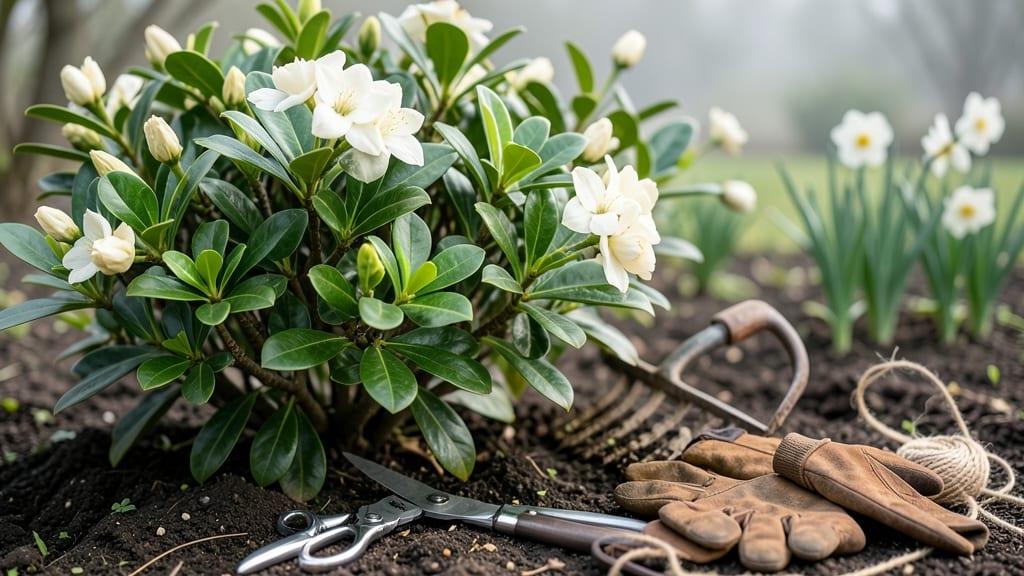
Cutting back your gardenia bush at the right time—late winter—sets the stage for a bloom-filled spring and keeps your 🌸 thriving for years.
Struggling to keep your gardenia bush blooming beautifully? Timing your pruning is the secret weapon—cut too early or late, and you risk sacrificing next year’s stunning white flowers. Here’s the exact strategy to revive your gardenia’s health and ensure a showstopping spring display.
In USDA Zone 6a, where gardenias love the cooler climate, late winter (just before buds swell) is ideal. But if you live in warmer regions, the rules shift—delaying until early spring prevents frost damage while still encouraging new growth.
The key? Prune when the plant is dormant but before spring’s energy kickstarts.
Below, I’ll walk you through the step-by-step process, from sterilizing your tools to recognizing the three signs your gardenia is ready for a trim. You’ll also learn how to avoid over-pruning, a common mistake that stunts blooms and weakens branches.
Best time to prune gardenia bushes for maximum spring blooms
Pruning your gardenia bush at the right time can mean the difference between a showstopping spring bloom and sparse, weak flowers. The key is understanding your plant’s dormancy cycle and aligning it with your climate zone.
Gardenias bloom on old wood, meaning their flower buds form on last year’s growth—not new shoots. Cut too late, and you risk removing next year’s blooms before they even appear.
In most regions, the ideal pruning window is late winter, just as the plant begins to wake from dormancy but before new growth starts. For USDA Zones 7–10, this typically falls between February and early March.
In colder zones (Zones 6 and below), wait until late March or April to avoid frost damage to fresh cuts. The goal is to prune before buds swell but after the worst winter chill has passed.
| Climate Zone | Best Pruning Time | Key Trigger | Avoid Cutting After |
|---|---|---|---|
| Zones 6–8 (Cold Winters) | Late March–Early April | Last frost date | Bud swell (March 15+) |
| Zones 9–10 (Mild Winters) | February–Early March | New growth begins | February 28 |
| Tropical (Zone 11+) | January–February | Dry season start | Rainy season onset |
If you live in a warmer climate (Zones 9–11), prune in January or February to avoid encouraging new growth too early. Gardenias in these zones often bloom year-round, so timing matters less—but still aim to prune before the rainy season to prevent fungal issues.
In colder zones (6–8), wait until after the last frost to prune, or you risk damaging tender new growth.
One common mistake is pruning in fall or early winter, which can leave your gardenia vulnerable to pests and disease. Open cuts heal slowly in cold weather, and invasive insects like aphids or scale may take advantage.
Always prune on a dry, sunny day to help wounds dry quickly and reduce infection risk. Sterilize your tools with rubbing alcohol before and after pruning to prevent spreading pathogens.
After pruning, focus on post-care to encourage robust regrowth. Apply a balanced, acidic fertilizer (like 8-3-9) in early spring to support new growth. Mulch around the base with pine bark or compost to maintain soil acidity and retain moisture.
Avoid heavy watering immediately after pruning—let the cuts callous over for 24–48 hours before resuming your regular watering schedule.
For gardeners in transition zones (e.g., Zone 8a–8b), pay close attention to microclimates. A gardenia in a sheltered, south-facing spot may need pruning 2–3 weeks earlier than one exposed to frost pockets.
When in doubt, observe your plant: if you see buds swelling or new shoots emerging, it’s time to hold off on pruning until next year.
Pro tip: Take a before-and-after photo of your gardenia’s structure before pruning. This helps you visualize where to make cuts and ensures you don’t over-prune. Aim to remove no more than 25–30% of the plant’s foliage in a single session.
Over-pruning stresses the gardenia and can lead to fewer blooms or even dieback in extreme cases.
Remember, gardenias are slow growers, so patience is key. If you miss the ideal window one year, don’t panic—just adjust your timing for next season. With the right approach, your gardenia will reward you with lush, fragrant blooms that last from late spring through summer. 🌸
Step-by-step guide to pruning gardenia bushes without killing flowers
Pruning your gardenia bush correctly encourages lush foliage and abundant blooms, but timing and technique matter. The key is to trim during late winter dormancy (just before new growth starts) to avoid cutting off next year’s flower buds.
Use sharp, sterilized tools to prevent disease and promote faster healing—this is where most gardeners go wrong.
Before you start, gather your supplies: bypass pruners, rubbing alcohol (70% or higher), and pruning shears for thicker branches. Sterilizing your tools prevents fungal infections like powdery mildew, which gardenias are prone to. I always wipe my blades with alcohol between cuts, especially if I’ve trimmed other plants first.
Step-list: How to Prune Gardenia Bushes for Healthy Growth
After pruning, step back and admire your gardenia’s new shape. You’ll notice improved air circulation and sunlight penetration, which are critical for flower production. Avoid heavy pruning in summer or fall, as new growth won’t harden off before winter, leaving your bush vulnerable to frost damage.
Water your gardenia deeply after pruning to help it recover. I use a soaker hose to deliver moisture directly to the roots without disturbing the soil. Mulch around the base with organic matter like pine bark to retain moisture and suppress weeds—this also mimics the acidic soil gardenias love.
Finally, monitor your gardenia for new growth in early spring. If you see tender green shoots emerging, it’s a sign your pruning was successful. Avoid fertilizing immediately after pruning; wait 4–6 weeks to let the cuts heal before applying a balanced, acidic fertilizer (like 8-3-9) to support blooming.