
Fertilization
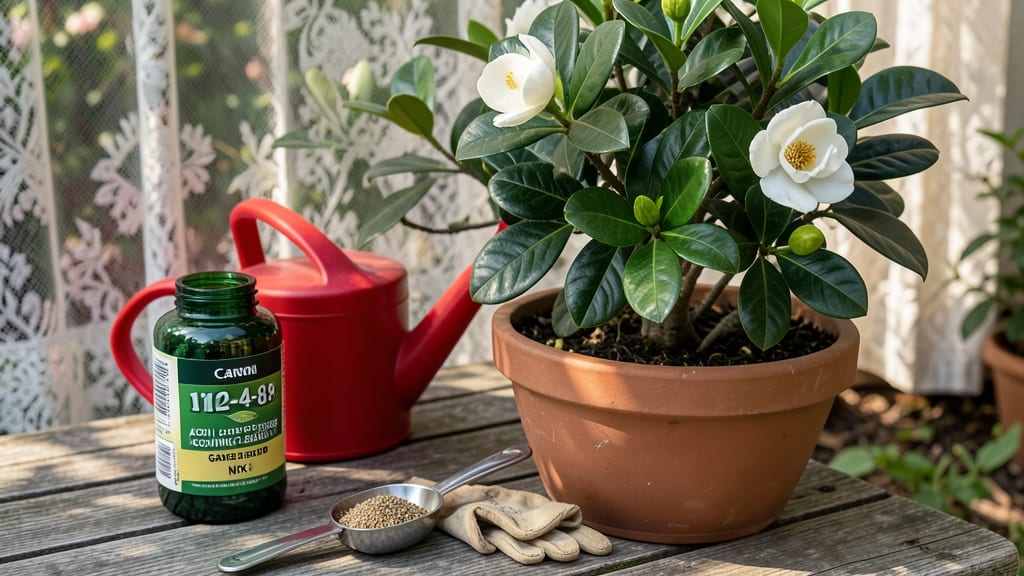
To get your gardenia 🌸 blooming with fragrant white flowers, the fertilizer ratio is the game-changer—aim for a balanced blend like 10-10-10 or an acid-loving 8-3-9 mix.
Struggling to get that signature intoxicating fragrance? The secret lies in mastering the perfect gardenia fertilizer ratio—a precise balance that transforms lush foliage into a cascade of blooms. Too much nitrogen, and you’ll end up with leafy monsters instead of fragrant flowers.
Most gardeners overlook the seasonal adjustments—spring calls for a phosphorus boost to encourage blooms, while summer needs lighter feeding to avoid leggy growth. I’ll break down exactly how to apply it without burning your plant’s roots.
By the end, you’ll know not just what to feed your gardenia, but when and how—so you can enjoy those heady blooms year after year without the guesswork.
Optimal N-P-K ratio for gardenia blooms: what the numbers mean
If your gardenia is all leaves and no flowers, the issue might be hiding in those mysterious N-P-K numbers on fertilizer bags. These three letters—nitrogen (N), phosphorus (P), and potassium (K)encouraging blooms while avoiding leafy overgrowth that chokes the flowers.
Gardenias thrive on a low-nitrogen, balanced approach during bloom season. Too much nitrogen pushes leafy growth at the expense of flowers, while phosphorus and potassium work together to stimulate root development and flower production.
Think of it like a recipe: too much of one ingredient ruins the dish. In this case, the dish is your fragrant gardenia blooms.
Here’s the golden rule: spring and early summer call for a low-N, high-P ratio (e.g., 8-3-9 or 10-10-10) to fuel blooms, while late summer and fall shift to a balanced or slightly higher-K formula (e.g., 5-5-10) to strengthen roots and prepare for dormancy.
Misreading these ratios is a common mistake—many gardeners over-fertilize with high-nitrogen lawn fertilizers, turning their gardenias into leafy monsters.
🌸 Key Takeaway: Gardenias are acid-loving plants, so always use fertilizers labeled for azaleas, camellias, or rhododendrons. These formulas are designed for the same acidic soil pH (5.0–6.5) that gardenias crave.
| Season | N-P-K Ratio | Primary Goal | Fertilizer Type | Frequency |
|---|---|---|---|---|
| Spring (March-May) | 8-3-9 or 10-10-10 | Bloom stimulation | Acid-loving blend (e.g., azalea fertilizer) | Every 4-6 weeks |
| Early Summer (June-July) | 5-5-10 or 6-6-12 | Root strength & bloom support | Balanced slow-release fertilizer | Every 6-8 weeks |
| Late Summer (August-Sept) | 5-5-10 or 4-3-8 | Root hardening | Potassium-rich fertilizer | Every 8-10 weeks |
| Fall/Winter (Oct-Feb) | None (dormant) | Rest period | None | N/A |
⚠️ Warning: Avoid fertilizers with high nitrogen (>10)—they promote leaves over blooms.
Understanding the N-P-K numbers starts with decoding fertilizer labels. The first number (nitrogen) fuels leafy growth—too much here means fewer flowers. The second number (phosphorus) is your bloom booster, while the third (potassium) strengthens disease resistance and root health.
For example, a 10-10-10 fertilizer is balanced, but a 7-9-5 is phosphorus-heavy—ideal for pushing flowers in spring.
One of my biggest mistakes early on was using a high-nitrogen lawn fertilizer (like 30-0-4) on my gardenia. Within weeks, my plant exploded with lush green leaves but zero blooms.
The lesson? Always check the label for a low-N, balanced ratio (e.g., 8-3-9 or 10-10-10) and avoid anything marketed for lawns or vegetables.
Seasonal adjustments are critical. In spring, when your gardenia is gearing up for blooms, prioritize phosphorus-rich fertilizers (e.g., bone meal or superphosphate) to trigger flower buds. By mid-summer, switch to a potassium-heavy formula (like wood ash or kelp meal) to fortify roots and prepare for dormancy.
Skipping this shift often leads to weak stems and fewer blooms the following year.
Organic gardeners can achieve similar results with fish emulsion (5-1-1), cottonseed meal (6-2-1), or greensand (0-0-10). These natural options break down slowly, reducing the risk of over-fertilization while maintaining the right N-P-K balance.
For instance, mixing fish emulsion (5-1-1) with bone meal (3-15-0) gives you a DIY 8-16-1 ratio, which is phosphorus-packed for bloom time.
Even the best fertilizer fails if applied incorrectly. Always water the soil thoroughly before and after fertilizing to prevent root burn. And remember
Step-by-step guide: applying the right gardenia fertilizer ratio
Mastering the gardenia fertilizer ratio is the key to unlocking those dreamy, fragrant blooms you’ve been dreaming of. Gardenias thrive on a balanced approach, but timing and type matter just as much as the numbers on the fertilizer bag.
I’ve learned through trial and error that overfeeding can burn roots, while underfeeding leaves your plant struggling to produce flowers. Let’s break down the exact steps to get it right.
First, test your soil’s pH level—gardenias crave acidic soil (5.0–6.5). If your soil is too alkaline, no amount of fertilizer will help. You can grab a simple soil test kit from your local garden center or send a sample to a lab for precise results.
Once you’ve confirmed the pH, you’re ready to choose your fertilizer and apply it with confidence.
⚠️ Warning: Over-Fertilizing Kills Gardenias!
Signs of over-fertilization:
- 🔥 Brown leaf tips (fertilizer burn)
- 💧 Yellowing leaves (nutrient toxicity)
- 🌱 Stunted growth (roots struggling)
Always water thoroughly before and after applying fertilizer to dilute salts and protect roots.
For organic options, I recommend using a slow-release fertilizer like fish emulsion (5-1-1 ratio) or cottonseed meal (6-2-0). These break down gently and feed your gardenia over time.
Mix 1 tablespoon into the top 2 inches of soil every 6 weeks during the growing season (spring to early summer). If you prefer synthetic fertilizers, opt for an azalea/camellia blend (8-3-9 or 10-10-10)—these are formulated for acid-loving plants like gardenias.
Timing is everything! Apply fertilizer in early spring (March–April) to kickstart growth, and again in late spring (May–June) to support blooming. Skip fertilizing in fall and winter—your gardenia needs this rest to prepare for next year’s flowers.
Always fertilize in the morning so the plant has time to absorb nutrients before evening moisture sets in.
Watch your gardenia’s leaves and buds for clues about its health. Dark green, glossy leaves with tight, pink buds mean you’re on the right track. If you notice fewer buds or leggy growth, cut back on fertilizer and focus on pruning and sunlight.
Remember, gardenias are light feeders—they’d rather have a little less than too much!
Pro tip: Mulch around your gardenia after fertilizing to lock in moisture and slowly release nutrients. Use pine bark or peat moss—both help maintain that acidic soil gardenias love. With the right ratio, timing, and care, your gardenia will reward you with abundant, fragrant blooms all season long. 🌸