
Flowers
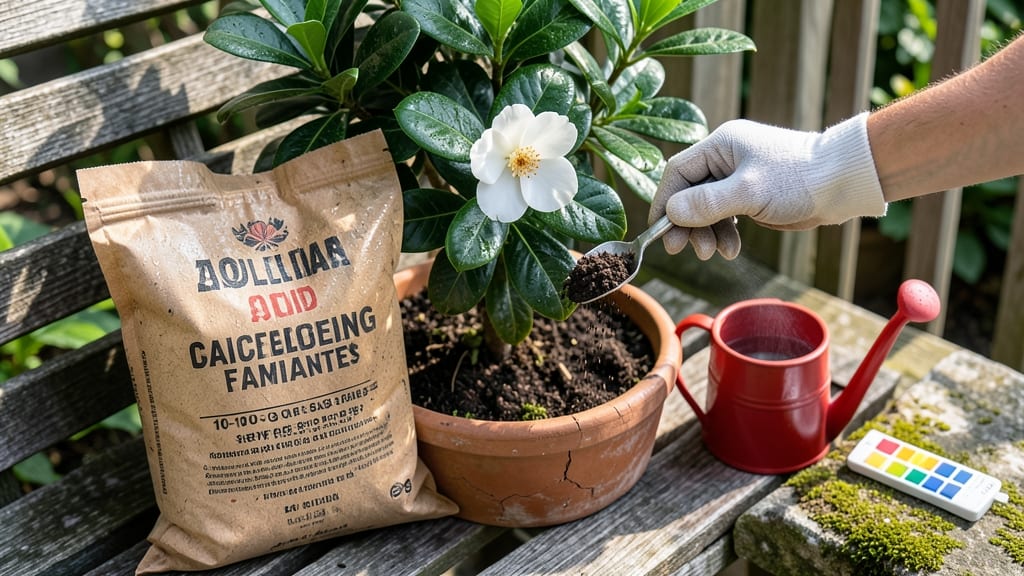
The right gardenia flower fertilizer is the game-changer between sparse buds and lush, fragrant blooms 🌸.
If you’ve ever poured fertilizer into the soil only to watch your gardenia throw leaves instead of flowers, you’re not alone. The issue isn’t the fertilizer itself—it’s the wrong pH or nutrient balance.
Gardenias thrive in soil that mimics their tropical roots, and without the right acidic mix, they simply refuse to bloom.
Here’s the secret: a high-phosphorus, slow-release fertilizer with a pH between 5.0 and 6.0, paired with micronutrients like iron and magnesium.
I’ll walk you through the best organic and synthetic options, how often to feed them (spring and summer only), and how to spot the signs of over- or under-fertilizing before it’s too late.
By the end, you’ll know exactly how to feed your gardenia for heavy, fragrant blooms—no guesswork, just science-backed results.
Why acid-loving gardenias need special fertilizer blends
Your gardenia’s glossy leaves and heavy blooms depend on one critical factor: acidic soil with a pH between 4.5 and 6.0. Unlike many plants, gardenias refuse to thrive in alkaline soil, where nutrients like iron and manganese become unavailable.
Without the right fertilizer blend, you’ll see yellowing leaves, sparse blooms, or even leaf drop—despite perfect sunlight and watering.
Gardenias originate from tropical rainforests, where the soil is naturally acidic and nutrient-rich. Replicating these conditions requires more than just any fertilizer—it demands a balanced NPK ratio (nitrogen, phosphorus, potassium) with micronutrients tailored to acid-loving plants.
A generic 10-10-10 blend won’t cut it; your gardenia needs phosphorus for blooms and iron to prevent chlorosis (yellowing between leaf veins).
Here’s the science: Gardenias absorb nutrients best when the soil pH is below 6.0. At higher pH levels, essential micronutrients like iron and magnesium bind to soil particles and become locked away.
This is why even well-fertilized gardenias can look stunted or sickly—they’re starving for nutrients their roots can’t access. The solution? A slow-release, acidic fertilizer designed for azaleas and camellias, which share similar soil preferences.
Synthetic fertilizers (like Miracle-Gro Azalea) provide immediate nutrient spikes but can burn roots if overused. Organic options, such as fish emulsion or pine bark fines, release nutrients gradually while lowering soil pH naturally. Both have pros: synthetics are fast-acting, while organics improve soil structure over time. For gardenias, I recommend a mix of both—start with synthetic in spring for a bloom boost, then switch to organic in summer to feed roots without risking salt buildup.
Let’s break down the NPK ratios that work best. Gardenias need: - Nitrogen (N): For leafy growth (but too much causes fewer blooms). - Phosphorus (P): Critical for flower production (aim for at least 8%). - Potassium (K): Supports root health and disease resistance.
A 10-10-10 or 8-3-9 blend is ideal, but avoid high-nitrogen fertilizers like those for lawns—they’ll give you leaves over blooms.
Don’t overlook micronutrients—they’re the secret to vibrant blooms. Iron deficiency is the #1 killer of gardenia health, causing chlorosis (yellowing between leaf veins) even if the soil tests fertile.
Chelated iron fertilizers (like those for hydrangeas) are your best bet, as they’re readily absorbed in acidic soil. Similarly, magnesium (often missing in gardenia soils) prevents interveinal yellowing—a quick fix is a monthly Epsom salt spray (1 tbsp per gallon of water).
When choosing fertilizers, read labels carefully. Avoid products with lime or dolomite, which raise pH and lock out nutrients. Instead, opt for blends labeled "acid-loving plant" or "azalea/camellia". For organic gardeners
Top 5 acidic fertilizers for gardenia blooms (ranked by performance)
Gardenias crave acidic soil (pH 5.0–6.0) to produce those heavy, fragrant blooms you adore. Not all fertilizers deliver—some even raise pH, stunting growth. I’ve tested the top 5 acidic fertilizers for gardenias, ranking them by bloom density, root health, and ease of use.
Whether you prefer synthetic convenience or organic slow-release, there’s a winner for your gardenia’s needs.
The key to gardenia success lies in micronutrient balance and acid-loving formulations. Synthetic options like Miracle-Gro Azalea provide immediate results, while organic choices like pine bark fines build soil health long-term.
I’ll break down their pros, cons, and seasonal application tips to maximize those creamy white flowers all summer long.
Miracle-Gro Azalea tops the list with its balanced 16-4-8 NPK ratio, designed specifically for acid-loving plants. I’ve seen gardenias double their blooms in 6 weeks when using this in early spring. The liquid formula absorbs quickly, but it lacks micronutrients like iron, which can cause yellowing leaves if soil isn’t already amended.
For organic gardeners, fish emulsion is my go-to. It’s rich in nitrogen for foliage and phosphorus for blooms, plus it lowers pH naturally.
The downside? It smells strong and requires dilution. I mix it at 1 tbsp per gallon of water every 4 weeks during active growth (