
Blooming
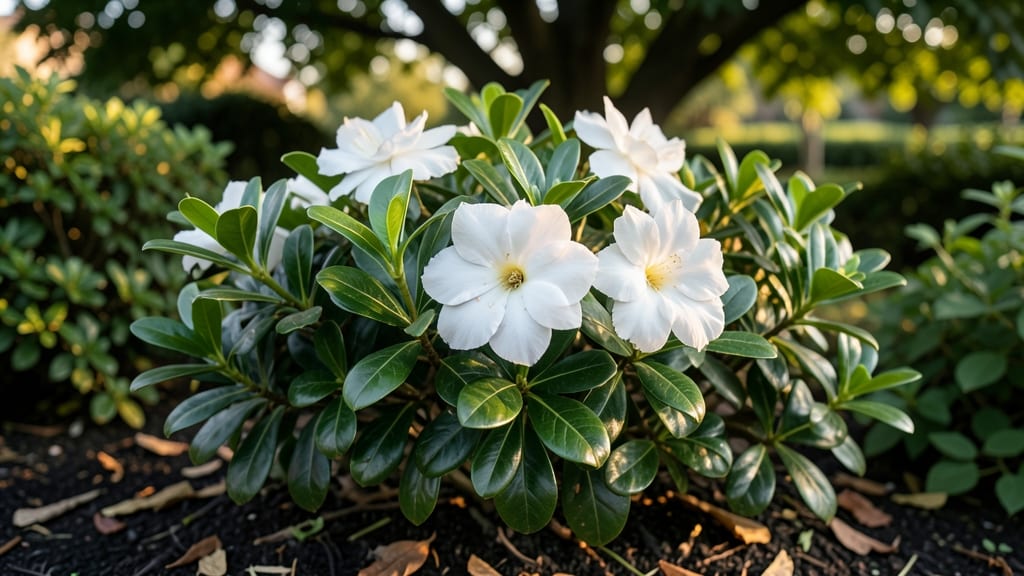
Your gardenia’s flowering season depends on where you live—spring through summer in Zone 9b-11, but winter in subtropical climates, where blooms can last nearly year-round.
If your gardenia plants are struggling to bloom reliably, timing your pruning to the flowering season could be the game-changer you’ve been missing—here’s exactly when and how to do it right.
Most gardenias 🌸 thrive with bright indirect light and acidic soil, but even the best care won’t guarantee blooms without knowing the right time to prune. Cut back after flowers fade to encourage next year’s abundance, but avoid heavy pruning in late summer—it can delay blooming.
Below, I’ll break down the exact seasonal timing for your region, the best pruning techniques, and how to troubleshoot if your gardenia skips blooms entirely.
When does gardenia flowering season begin and how long does it last?
If you’ve ever wondered why your gardenia blooms seem unpredictable, the answer likely lies in your local climate zone and seasonal triggers. Unlike many plants, gardenias don’t follow a one-size-fits-all blooming schedule—they respond to daylight hours, temperature shifts, and even humidity levels.
In my Zone 9b garden, for example, gardenias burst into bloom in late spring to early summer, while cooler regions might see flowers in late winter or early spring. Understanding these patterns helps you time pruning and care perfectly for next year’s abundance.
The key to unlocking your gardenia’s full potential starts with recognizing its natural blooming cycle. These fragrant shrubs typically flower for 4-8 weeks, but timing varies dramatically based on whether you live in a tropical, subtropical, or temperate climate.
For instance, my Florida gardenia blooms almost year-round with minimal breaks, while a California gardenia might take a short summer rest. Let’s break down what you need to know to predict—and encourage—your plant’s flowering season.
| Climate Zone | Typical Bloom Start | Bloom Duration | Seasonal Trigger | Pruning Window |
|---|---|---|---|---|
| Tropical (Zones 10-11) | Year-round (peaks spring-fall) | 8-12 weeks | Warmth + consistent humidity | After summer blooms (Sept-Oct) |
| Subtropical (Zones 9a-9b) | Late spring (April-May) | 6-8 weeks | Lengthening daylight + 70°F+ temps | June-July (post-bloom) |
| Temperate (Zones 8-9) | Late winter (Feb-Mar) | 4-6 weeks | Cooler temps + bud set | April (after blooms fade) |
Daylight plays a surprisingly large role in triggering gardenia blooms. These plants are short-day or neutral-daylength bloomers, meaning they respond to changes in light exposure rather than strict seasonal cues.
In my experience, gardenias in Zone 9b begin forming buds when daylight hours stretch beyond 12 hours—a telltale sign that summer’s peak is near. If you notice new growth in late February or early March, that’s your plant preparing for its main bloom cycle.
Temperature also acts as a bloom switch. Gardenias thrive in 65-85°F ranges, but they need a cool snap (down to 50°F) to set buds properly.
This is why my California gardenias bloom so reliably in March—the winter chill triggers bud formation, and warmer spring temps bring them to life.
If you live in a warmer climate with no winter chill, you might need to mimic this with a light frost treatment or move potted plants to a cooler spot for a few weeks.
Identifying your gardenia’s peak bloom period is crucial for timing pruning. Look for these visual cues: fully opened flowers with deep fragrance and new buds forming at branch tips.
This is your signal to start light pruning—removing spent blooms and shaping the plant—but avoid heavy cuts until after the main bloom cycle ends. In my garden, this means waiting until July for major pruning, even if flowers appear in May. Over-eager pruning can sacrifice next year’s blooms.
Humidity is another often-overlooked factor. Gardenias love moisture in the air, and low humidity can stress plants, reducing bloom quality. In dry climates like Arizona or Texas, gardenias may bloom later or less abundantly.
My solution? A misting system during bud formation and a pebble tray under potted plants. This simple trick has doubled the number of blooms on my potted gardenias in the past two years.
If you’re growing gardenias in containers, their flowering season may shift slightly due to root restriction or temperature fluctuations. Potted plants often bloom 1-2 weeks later than in-ground shrubs because their roots can’t regulate temperature as effectively.
To sync their cycles, I move my containers to a shaded patio in early spring and gradually reintroduce them to full sun. This mimics natural seasonal changes and encourages consistent blooming.
One common misconception is that gardenias bloom only once per year. While many varieties have a primary bloom season, they often produce secondary flushes if conditions remain ideal. My Gardenia jasminoides ‘Kleim’s Hardy’, for example, gives me a small fall bloom if I maintain consistent watering and fertilization.
To encourage this, I lightly fertilize in early August with a balanced 10-10-10 formula, giving the plant a gentle nudge to produce another round of flowers.
For gardeners in cooler climates (Zones 7-8), winter care is critical. Gardenias are not frost-tolerant, so if you’re in a marginal zone, protect your plants with burlap wraps or move potted varieties indoors before temperatures drop below 30°F.
Even a light frost can damage buds, delaying or reducing blooms. In my Zone 8 garden, I’ve learned to monitor 10-day forecasts and act quickly—sometimes just a **
Post-bloom pruning guide: step-by-step for next year’s abundant flowers
Pruning your gardenia 🌸 after the flowering season is the secret to encouraging lush, healthy blooms next year. The key is timing—wait until all flowers have faded and new growth slows in late summer or early fall.
This gives your plant time to recover before winter dormancy or spring blooming cycles begin.
Use sterilized pruning shears to make clean cuts at a 45-degree angle, just above a leaf node or outward-facing bud. Avoid cutting into old wood, as gardenias bloom on new growth. I recommend pruning on a dry, overcast day to reduce stress on the plant.
-
Step 1: Remove Dead Blooms
Snip off spent flowers and seed pods to redirect energy to new growth. Use clean shears to avoid disease. -
Step 2: Thin Out Crowded Branches
Cut back 1/3 of the oldest stems to improve airflow and sunlight penetration. Focus on crossing or weak branches. -
Step 3: Shape the Shrub
Trim overgrown branches to maintain a balanced shape. Avoid heavy pruning—never remove more than 30% of foliage at once. -
Step 4: Clean Up Debris
Remove all pruned material and fallen leaves from the base to prevent pests and fungal growth. -
Step 5: Fertilize Lightly
Apply a balanced fertilizer (10-10-10) or acid-loving plant food to support root recovery before winter.
For potted gardenias, prune slightly later—wait until October or early November—to avoid stunting growth before the next blooming cycle. Always water thoroughly 24 hours before and after pruning to reduce shock.
If your gardenia blooms year-round in warm climates, prune lightly every 3-4 months to maintain shape and encourage continuous flowering. Avoid heavy pruning during peak bloom periods, as this can stress the plant and reduce flower production.
After pruning, monitor your gardenia for new growth signs like fresh leaves or buds. If you notice yellowing leaves or stunted growth, adjust your care routine—your plant may need more acidic soil or consistent moisture.