
Blooming
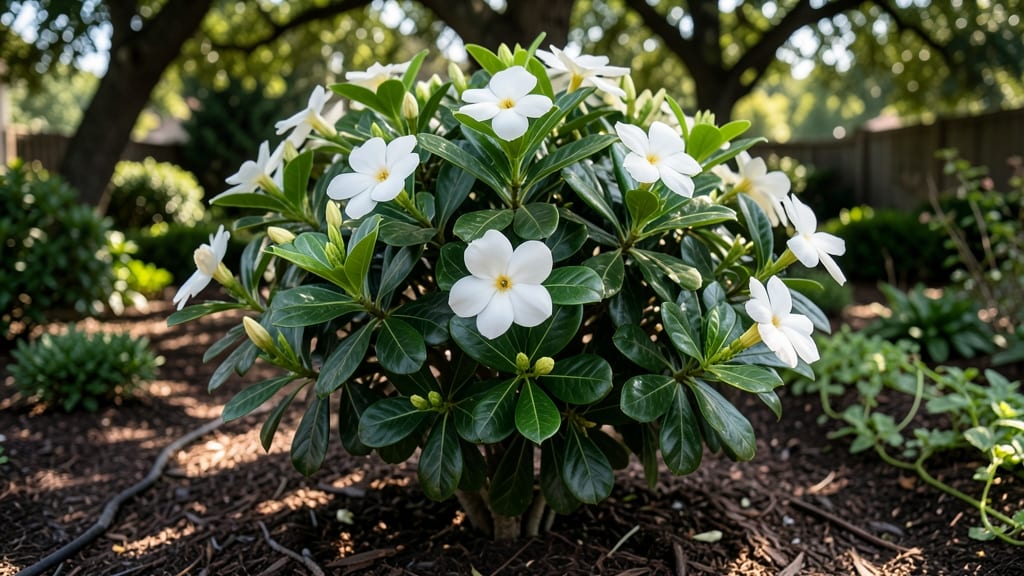
Gardenia blooms last anywhere from 3 days to 3 weeks, depending on the variety and growing conditions—making them a garden centerpiece when timed right.
Picture this: your backyard in late spring, heavy with the sweetest scent, as 🌸 gardenias release waves of creamy-white blossoms. But here’s the catch—some varieties fade in a flash, while others linger like a slow-motion show.
If you’re dreaming of a garden that stays fragrant for weeks, you’ll want to know which types deliver and how to coax them into performing.
In USDA Zone 7b, where most gardeners grow them, timing matters. Plant in March–April for peak blooms by summer, but the right care can stretch that window.
We’ll break down the blooming habits of top varieties—like the long-lasting ‘Veitchii’—and share the simple tricks to keep those flowers appearing longer than usual.
Ready to turn your garden into a year-round fragrance festival? Here’s how to choose the right gardenia, extend its bloom time, and troubleshoot when things go off schedule.
Gardenia bloom duration by variety: what to expect each season
If you’ve ever wondered how long do gardenias bloom, the answer depends entirely on the variety you’re growing. Some gardenia types burst into fragrant white blossoms for just 3–7 days, while others like G. augusta can grace your garden with flowers for 2–3 weeks at a time.
Understanding these differences helps you plan your garden’s seasonal highlights and manage expectations for fragrance-filled moments.
Most gardenias bloom in late spring to early summer, with a second flush possible in fall for tropical varieties. However, climate plays a huge role—gardenias in USDA Zones 8–11 may bloom year-round, while those in cooler regions enjoy a more defined spring-only flowering season.
Let’s break down what to expect from your favorite gardenia varieties.
Here’s a quick comparison of bloom duration by variety, including seasonal timing and care tips to maximize flowering:
| Variety | Bloom Duration | Seasonal Timing | Climate Notes |
|---|---|---|---|
| G. jasminoides (Common Gardenia) | 3–7 days per bloom | Spring (April–May) | Zones 7–11; needs winter chill |
| G. augusta (Veitchii) | 10–21 days per bloom | Spring & Fall (Zones 10–11) | Tropical; year-round blooms possible |
| G. radicans (Cape Jasmine) | 5–14 days per bloom | Summer (June–August) | Heat-loving; thrives in Zones 9–11 |
| G. fortuniana (Fortune’s Gardenia) | 7–14 days per bloom | Spring (March–April) | Zones 8–10; drought-tolerant once established |
The common gardenia (G. jasminoides) is the most popular for its classic white, fragrant blooms, but its short 3–7 day bloom duration can be disappointing if you’re dreaming of weeks of fragrance.
To extend their display, prune spent blooms promptly—this encourages new buds to form, potentially doubling your seasonal blooms.
For longer-lasting blooms, G. augusta ‘Veitchii’ is a standout, with 10–21 day individual blooms and a tendency to rebloom in fall. This variety thrives in humid, tropical climates (Zones 10–11) and rewards gardeners with prolonged fragrance.
If you live in a cooler zone, consider growing it in containers so you can bring it indoors during winter.
Regional climate has a huge impact on bloom duration. In cooler zones (7–9), gardenias often enter dormancy in winter, limiting blooms to spring only. However, in warmer zones (10–11), many varieties bloom year-round with minimal rest periods.
For example, G. radicans (Cape Jasmine) thrives in summer heat and can produce multiple blooms over 2–3 months.
One common misconception is that over-fertilizing extends bloom time. In reality, too much nitrogen leads to leafy growth at the expense of flowers.
Instead, use a balanced, acidic fertilizer (10-10-10) in early spring to encourage robust blooms. Deadheading spent flowers is another key trick—removing faded blooms redirects the plant’s energy to new bud formation, often extending the overall bloom season by 2–4 weeks.
If you’re growing gardenias in containers, bloom duration can be shorter due to stress from root restriction. To compensate, choose larger pots (15+ gallons) and water consistently—container-grown gardenias dry out 3x faster than in-ground plants.
Also, protect them from afternoon sun, which can scorch leaves and reduce flowering.
For gardeners in USDA Zone 7 or cooler, winter care is critical to ensure strong spring blooms. Mulch heavily around the base with pine straw or shredded bark to insulate roots.
If temperatures drop below 20°F, cover the plant with burlap or move container-grown gardenias to a garage or shed until spring.
In summary, how long do gardenias bloom depends on the variety, your climate, and your care routine. While G. jasminoides may only delight you for a week, proper pruning, fertilizing, and climate adaptation can turn your gardenia into a fragrant showstopper for months.
Experiment with different varieties and care techniques to find the
How to extend gardenia blooms: pruning, care, and seasonal tips
If you’ve ever marveled at gardenias’ creamy, fragrant blooms only to watch them wilt in days, you’re not alone. With the right care, you can double—or even triple— their flowering time. The secret lies in pruning techniques, soil conditions, and seasonal adjustments that most gardeners overlook.
Let’s unlock the full potential of your gardenias so they bloom like they’re in a tropical paradise.
First, understand that gardenias naturally produce blooms in cycles, but stress factors like over-fertilizing or poor drainage can shorten their lifespan dramatically. For example, a healthy Gardenia jasminoides can bloom for 7–10 days per flower, but with proper care, that window stretches to 2–3 weeks.
The key is creating an environment where your plant focuses energy on flower production rather than survival.
- 🌸 Deadhead spent blooms immediately after wilting to redirect energy to new buds.
- ☀️ Provide 4–6 hours of morning sun and afternoon shade to prevent leaf scorch.
- 💧 Water deeply 2–3 times per week (morning only) to maintain acidic soil (pH 5.0–6.0).
- ✂️ Prune lightly in late winter to remove dead wood and shape the shrub without cutting into flower buds.
- 🌿 Avoid high-nitrogen fertilizers—opt for acid-loving plant food (e.g., azalea mix) in spring and early summer.
One of the biggest mistakes gardeners make is pruning at the wrong time. If you cut back gardenias after they’ve bloomed, you’ll reduce next year’s flowers. Instead, prune in late winter or early spring (before new growth starts) to encourage bushier, more productive growth.
Use clean, sharp shears to make 45-degree cuts just above a leaf node. This not only shapes your plant but also stimulates new blooms by promoting airflow.
Soil pH plays a critical role in gardenia health. These plants thrive in acidic conditions (pH 5.0–6.0), and even a slight shift to alkaline soil (pH 7.0+) can stunt blooms. Test your soil annually and amend with sulfur or peat moss if needed.
I’ve seen gardenias in container gardens struggle until I switched to an acidic potting mix—the difference in blooms was night and day! Pair this with mulching (using pine needles or oak leaves) to retain moisture and slowly acidify the soil over time.
Seasonal care is where many gardeners drop the ball. In winter, gardenias enter dormancy, but that doesn’t mean you can neglect them. Reduce watering to every 10–14 days and avoid fertilizing entirely. Instead, focus on protecting roots with a thick layer of mulch.
In summer, watch for pests like spider mites—they thrive in dry conditions and can defoliate your plant, cutting blooms short. Spray leaves with neem oil weekly as a preventative measure.
Finally, don’t underestimate the power of patience and observation. Gardenias reward consistent care with longer, more frequent blooms. I once had a Gardenia augusta that bloomed sporadically until I adjusted its light exposure and watering schedule—suddenly, it produced continuous flowers for 6 weeks!
Start with these tips, and you’ll transform your gardenias from short-lived showstoppers to season-long fragrance magnets.