
Size
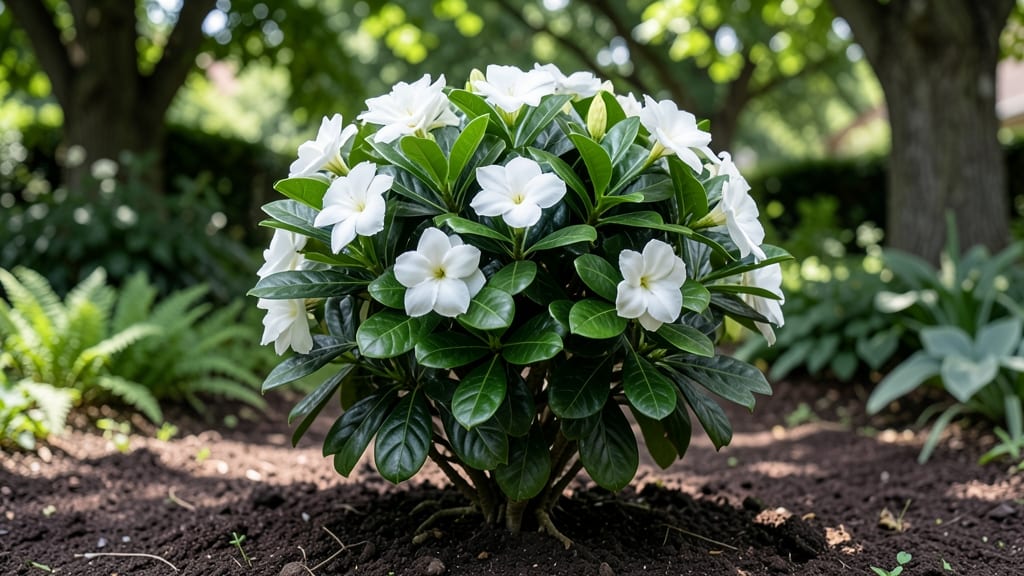
Understanding a gardenia shrub's size is the first step to picking the perfect variety for your space—whether you want a compact patio plant or a towering backyard centerpiece.
If you're dreaming of fragrant, glossy-leaved gardenias but worried about whether they'll dwarf your patio or tower over your backyard, you're in the right place. Gardenias vary wildly in size—from compact dwarf varieties to towering giants—so choosing the right type for your space is key.
A standard gardenia 🌸 can reach 6 feet tall, while dwarf types stay under 3 feet, making them ideal for containers or small gardens.
Size isn’t just about aesthetics—it affects everything from planting distance to pruning needs. Crowding gardenias too close can stunt growth, while giving them too much space might leave gaps in your landscape.
Below, I’ll break down the mature heights of popular varieties, how to control their growth, and the best spacing for each type.
You’ll also discover how pruning at the right time can keep your gardenias lush and manageable, plus the best varieties for small spaces versus large landscapes. Let’s get started!


Gardenia shrub size by variety: from dwarf to giant types
Choosing the right gardenia shrub size is crucial for your garden's layout. These fragrant beauties range from compact dwarfs perfect for containers to tall giants that need spacious beds. The key is matching the variety to your space while accounting for mature height and spread—both can double over time!
Most gardenias belong to the Gardenia jasminoides species, but sizes vary dramatically. Some stay under 3 feet tall, while others reach 10 feet with proper care. Understanding these differences helps you avoid overcrowding or wasted space. Let's explore the spectrum from smallest to largest varieties.
Pro Tip: Always check a variety's mature size before planting. Gardenias grow slowly but will eventually reach their genetic potential. Spacing plants 3-6 feet apart prevents competition for nutrients and light.
| Variety | Mature Height | Mature Spread | Growth Habit | Best For |
|---|---|---|---|---|
| 'Radicans' | 2-3 ft | 3-4 ft | Bushy, spreading | Containers, borders |
| 'Kleim's Hardy' | 3-4 ft | 4-5 ft | Upright, rounded | Small gardens, hedges |
| 'Fortuniana' | 4-6 ft | 5-7 ft | Tall, vase-shaped | Specimen plants |
| 'Veitchii' | 6-8 ft | 6-8 ft | Large, spreading | Privacy screens |
| Gardenia augusta | 8-10 ft | 8-10 ft | Tree-like, upright | Large landscapes |
For small spaces, 'Radicans' and 'Kleim's Hardy' are ideal. These dwarf gardenias thrive in 15-gallon containers and produce heavily fragrant blooms without overwhelming your patio. Their spreading habit makes them perfect for hanging baskets or window boxes.
If you have moderate yard space, 'Fortuniana' offers a balanced height of 4-6 feet. This variety's vase-shaped growth creates a stunning focal point while remaining manageable. Space these plants 5 feet apart to allow airflow and prevent fungal issues.
For large landscapes, 'Veitchii' and Gardenia augusta become architectural stars. These giant gardenias can reach 10 feet tall with proper care, making them excellent for privacy screens or backyard accents. Plant them 10+ feet apart to accommodate their massive spread.
Remember that gardenia growth rates slow dramatically after the first 3-5 years. While young plants may grow 12 inches per year, mature growth often slows to 6 inches annually. This makes them easier to manage than fast-growing shrubs but requires patience for full size realization.
When planning your gardenia layout, consider sunlight exposure alongside size. Most varieties need 4-6 hours of morning sun and afternoon shade. Dwarf varieties can handle partial shade all day, while larger types may need more light to support their height.
For container gardening, choose dwarf or semi-dwarf varieties. Ensure your pot has drainage holes and use a well-draining potting mix with peat moss to maintain acidity. Containers dry out faster, so monitor soil moisture closely during summer months.
If you're unsure about a variety's size, check the nursery tag or ask the grower. Many nurseries now specify mature dimensions on plant labels. This small step can save you from overcrowded
How to control gardenia shrub size through pruning & care
Pruning your gardenia shrubs isn't just about keeping them tidy—it's the secret to controlling their size and encouraging lush, fragrant blooms. With the right techniques, you can shape your gardenias to fit containers, hedges, or even small garden beds while maintaining their health.
The key is timing, proper tools, and understanding how these shrubs respond to cuts.
Most gardenias grow 3 to 6 feet tall at maturity, but with strategic pruning, you can coax them into staying 2 to 4 feet tall for a more compact look.
I’ve found that light pruning in late winter (just before new growth begins) works best for shaping, while heavy pruning in early spring can rein in overgrown plants. Let’s dive into the step-by-step process.
Avoid cutting back more than 1/3 of the shrub's height in a single session—this can stress your gardenia and reduce flowering. If your plant looks leggy or sparse, focus on selective pruning to encourage bushier growth rather than drastic cuts. Always use sterilized pruners to prevent disease spread.
Start by removing dead, diseased, or crossing branches first—this improves airflow and prevents pests. Next, trim back any overly long stems to just above a leaf node or bud.
For a neater hedge shape, use a hand pruner or hedge shears to create clean lines, cutting at a 45-degree angle to promote faster healing.
Seasonal care plays a huge role in size control. In spring and summer, gardenias respond well to light pinching of new growth to encourage branching. I recommend fertilizing with a balanced, acidic fertilizer (like 10-10-10) every 4-6 weeks during this time to support compact growth.
In fall and winter, reduce watering and avoid pruning—let the plant rest.
If your gardenia has become leggy or overgrown, don’t panic! Revive it by pruning back 1/3 of the height in early spring, then focus on regular watering and morning sunlight to encourage new, bushier growth.
Mulch around the base with organic matter like pine bark to maintain soil acidity and retain moisture—this helps roots stay strong and supports controlled growth.
For container-grown gardenias, prune more aggressively in early spring to keep them under 3 feet tall. Use a larger pot (at least 15 gallons) and repot every 2-3 years to refresh the soil.
Always water thoroughly after pruning to help the plant recover faster. With patience and consistent care, your gardenias will stay sized just right for your space! 🌿✂️