
Light Requirements
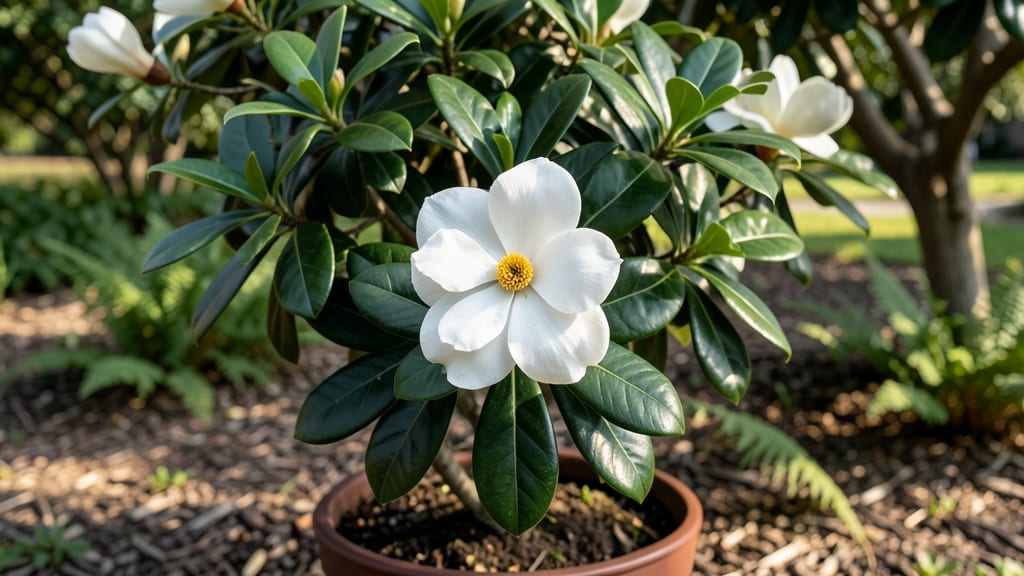
Meeting your gardenia’s sunlight requirements is the key to those fragrant, glossy blooms you’ve been dreaming of — and it’s easier than you think.
Struggling to keep your gardenia blooming? The secret often lies in sunlight—not too much, not too little, but just right. Get the balance perfect, and your gardenia will reward you with fragrant, lush flowers year after year.
These sun-loving shrubs (🌸) thrive in bright, indirect light, which means morning sun and afternoon shade is ideal for most climates. Too much harsh afternoon sun can scorch leaves, while too little light stunts growth and blooms.
I’ll break down exactly how to spot the signs of sunlight stress and adjust care to keep your gardenia happy.
From pruning tips to watering adjustments, you’ll learn how to fine-tune your gardenia’s environment for year-round blooms—whether it’s planted in the ground, a container, or even indoors near a sunny window.
 Best Window Placement
Optimal sunlight exposure for gardenia growth and flowering
Gardenia plants thrive on balanced sunlight exposure, but their needs vary depending on the variety. Too much direct sun can scorch leaves, while too little light leads to sparse blooms. Understanding the morning sun vs. afternoon shade rule is key to keeping your gardenia healthy and fragrant.
Let’s break down the ideal light conditions for different gardenia types and how to adapt them to your climate zone.
Most gardenias, like the common gardenia (Gardenia jasminoides), prefer 4-6 hours of morning sunlight followed by afternoon shade.
This pattern mimics their natural tropical habitat, where intense midday sun is filtered through tree canopies. Cape jasmine (Gardenia augusta), another popular variety, has slightly more tolerance for shade but still benefits from filtered light.
The science behind this preference lies in photosynthesis efficiency—gentle morning light fuels growth without stressing the plant.
| Variety | Ideal Sunlight | Climate Zone Adaptations | Signs of Stress |
|---|---|---|---|
| Common Gardenia (Gardenia jasminoides) | 4-6 hours morning sun, afternoon shade | Zones 8-10: Dappled shade; Zones 6-7: 3-4 hours sun | Leaf scorch, yellowing, sparse blooms |
| Cape Jasmine (Gardenia augusta) | 3-5 hours filtered light, partial shade | Zones 9-11: East-facing window; Zones 7-8: 50% shade cloth | Leggy growth, pale leaves, few flowers |
| Dwarf Gardenias (e.g., 'Kleim's Hardy') | 2-4 hours morning sun, dappled shade | Zones 5-6: Container with south-facing window; Zones 7-8: 50% shade | Stunted growth, weak stems |
In hot, dry climates (zones 9-11), gardenias often struggle with intense afternoon sun. Here, I recommend placing them under 30-50% shade cloth during peak hours (11 AM–3 PM). For cooler zones (6-8), they can handle slightly more sun, but always prioritize morning exposure.
The goal is to avoid leaf burn while ensuring enough light for photosynthesis to produce those iconic white blooms.
If you’re growing gardenias in containers or indoors, mimic their outdoor sunlight needs by positioning them near an east-facing window. South-facing windows can work too, but use sheer curtains to diffuse harsh light.
For indoor plants, supplement with a grow light for 6-8 hours daily if natural light is insufficient. This ensures consistent energy for flowering, even in low-light spaces.
Adjusting sunlight exposure isn’t just about placement—it’s also about seasonal changes. In summer, gardenias may need more shade, while winter’s milder light can be gentler. Watch for leaf color shifts: deep green indicates ideal light, while pale or yellow leaves signal too much shade.
Conversely, crispy edges or brown spots mean it’s getting too much direct sun. These visual cues help you fine-tune their environment.
For gardeners in urban areas with limited yard space, patio gardenias are a great solution. Place them on a deck or balcony where they receive morning sun and afternoon shade from nearby structures.
If your space lacks natural shade, a portable shade sail can be a lifesaver. Even a few hours of afternoon protection can prevent heat stress and keep your gardenia blooming prolifically.
One common mistake is assuming all gardenias have the same sunlight needs. Dwarf varieties, for example, often tolerate less light than standard shrubs. Always check the specific variety’s care guide—some, like 'Radicans,' are more shade-tolerant, while others, like 'Veitchii,' demand brighter conditions.
This precision ensures you’re meeting their unique requirements rather than applying a one-size-fits-all approach.
To maximize blooms, pair optimal sunlight with consistent watering and acidic soil. Gardenias are particular about their environment, so even the best light conditions won’t compensate for poor soil pH or drought stress.
Aim for a pH of 5.0-6.0 and water deeply in the morning to keep roots hydrated without inviting fungal diseases. This holistic care approach ensures your gardenia thrives year-round.
Remember, gardenias communicate their sunlight needs through their leaves and flowers. A well-lit plant will have glossy, dark green foliage and abundant blooms, while a struggling one may drop buds or develop weak stems.
By observing these signals and adjusting their light exposure accordingly, you’ll unlock the full potential of your gardenia’s fragrance and beauty.
Signs your gardenia isn’t getting the right sunlight (and how to fix it)
If your gardenia is struggling to bloom or its leaves look stressed, sunlight exposure is likely the culprit. Gardenias thrive in bright, indirect light—too much or too little can stunt growth and reduce fragrance.
I’ve seen gardeners mistake leaf scorch for pests or yellowing leaves for overwatering, only to realize sunlight was the real issue.
Common mistakes include placing gardenias in full afternoon sun, which causes leaf burn, or burying them in deep shade, which leads to leggy growth and sparse blooms.
Even a slight adjustment in location can transform a struggling plant into a fragrant, healthy beauty. Let’s diagnose your gardenia’s sunlight needs and fix them step by step.
⚠️ Warning: Extreme Sunlight Can Kill Your Gardenia
Gardenias hate intense afternoon sun. Leaves exposed to direct rays after 10 AM will develop brown, crispy edges (leaf scorch). Even partial shade (like morning sun + afternoon shade) is better than full sun. If your gardenia’s leaves look like they’ve been fried, move it immediately to a shadier spot or use 30-50% shade cloth.
Start by checking your gardenia’s leaf color. Pale or yellow leaves signal under-exposure, while brown or crispy edges mean over-exposure. Another red flag is fewer blooms—gardenias need 4-6 hours of bright, indirect light daily to produce those iconic white flowers.
If your plant is flowering poorly, it’s likely not getting enough light.
For under-exposed gardenias, try moving them to a sunnier spot gradually (over 1-2 weeks) to avoid sunburn shock. If you’re indoors, place them near an east-facing window where they’ll get gentle morning light.
For over-exposed plants, prune damaged leaves and provide afternoon shade using a lightweight shade cloth or sheer curtain.
Pruning is another key fix. If your gardenia is too leggy from insufficient light, trim back overly long stems to encourage bushier growth. Focus on cutting just above a leaf node to promote new branches.
This not only improves airflow but also helps the plant redirect energy toward flower production instead of stretching for light.
Finally, monitor your gardenia’s response after making changes. If leaves still look stressed after 2-3 weeks, adjust the location again. Remember, gardenias are tropical plants—they prefer consistent, gentle light over harsh conditions. With the right balance, your gardenia will reward you with abundant, fragrant blooms all season long.