
Pruning
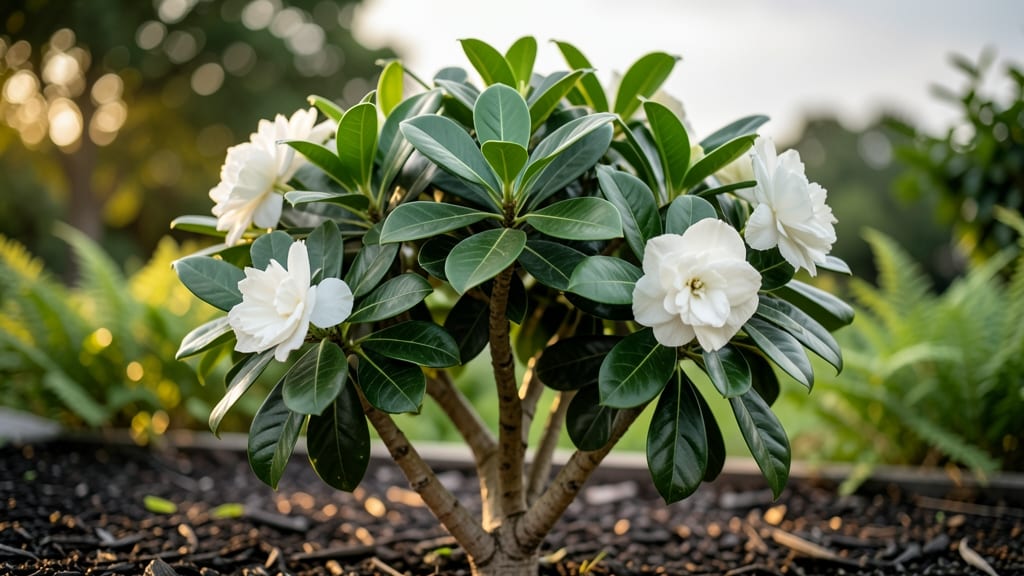
Understanding a gardenia tree's height 🌸 helps you plan where to plant it and how to prune it for years of fragrant blooms.
If you’ve ever dreamed of a fragrant garden but worried about gardenia trees growing uncontrollably, you’re not alone—many gardeners struggle to balance their stunning blooms with manageable size.
These beauties can reach anywhere from 4 to 15 feet, depending on the variety and care you provide. Dwarf types stay compact, while standard gardenias grow tall, so knowing their potential height is key to keeping them happy.
In this guide, I’ll break down how fast they grow, how to control their size with pruning, and the best placement for your garden’s layout.

How tall do gardenia trees grow? Mature height by variety
If you’re planning to add a gardenia tree to your landscape, knowing its mature height is crucial for placement and pruning. These fragrant beauties vary widely—from compact dwarf varieties perfect for containers to towering standard gardenias reaching small tree heights.
Let’s break down the height ranges by popular variety so you can choose the right fit for your space.
Most gardenia trees belong to the Gardenia jasminoides species, but their growth habits differ based on cultivation. Standard varieties can grow 10–15 feet tall, while carefully bred dwarf cultivars stay under 6 feet.
Even within the same species, growth rates vary—expect 12–18 inches per year under ideal conditions, though slower growth is common in cooler climates.
The table below compares mature heights, growth rates, and ideal uses for the most popular gardenia varieties. Whether you’re a container gardener or have a spacious yard, there’s a gardenia size for you!
| Variety | Mature Height | Growth Rate | Best For | Notes |
|---|---|---|---|---|
| Gardenia jasminoides (Standard) | 10–15 ft | 12–18 in/year | Landscaping, privacy screens | Needs regular pruning |
| 'Kleim’s Hardy' (Semi-Dwarf) | 6–10 ft | 10–14 in/year | Small yards, hedges | Cold-hardy to Zone 7 |
| 'Radicans' (Dwarf) | 3–6 ft | 6–12 in/year | Containers, patios, small gardens | Slow-growing, ideal for pots |
| Gardenia augusta (Tropical) | 15–20 ft (tree form) | 18–24 in/year | Tropical landscapes, large gardens | Not cold-hardy; grow in Zones 9–11 |
| 'Veitchii' (Dwarf) | 3–5 ft | 8–12 in/year | Borders, window boxes | Compact, prolific bloomer |
For container gardening, choose dwarf varieties like 'Radicans' or 'Veitchii', which thrive in 15–20 gallon pots. These stay under 5 feet tall and produce just as many fragrant blooms as their taller cousins.
Just ensure your container has drainage holes and use a lightweight potting mix to prevent root rot.
If you’re planting in the ground, consider spacing requirements. Standard gardenias need 8–10 feet of clearance from structures and other plants to avoid overcrowding. For hedges or privacy screens, 'Kleim’s Hardy' is a great mid-sized option, reaching 6–10 feet with minimal pruning.
Growth rates slow down in cooler climates (Zones 7–8) or during drought conditions. To encourage faster growth, provide morning sun and afternoon shade, consistent moisture, and acidic, well-draining soil. A mulch layer also helps retain moisture and nutrients, which supports healthier, faster growth.
One common misconception is that all gardenias grow into large shrubs or trees. In reality, proper pruning and container selection can keep even standard varieties manageable. For example, pruning back 1/3 of the plant’s height in late winter can encourage bushier growth and limit vertical expansion.
If you’re in a small garden or urban setting, look for grafted dwarf gardenias, which are genetically compact. These are often sold as bushier, multi-stemmed plants and rarely exceed 4–5 feet tall.
Pair them with climbing roses or trailing ivy to create a layered, fragrant display without sacrificing space.
Remember,
Pruning gardenias for height control: step-by-step guide
Pruning your gardenia tree at the right time and with the right technique is the key to controlling its height while keeping it lush and blooming. The best time to prune is in late winter or early spring, just before new growth begins.
This timing ensures you don’t cut back the buds that will produce those fragrant white flowers you love.
If you prune at the wrong time—like after flowering or in mid-summer—you risk removing next year’s blooms or stressing the plant. Gardenias respond well to pruning, but they need patience. Over-pruning can weaken the plant, while too little pruning lets it grow leggy and unruly.
🌿 Step-by-Step Pruning Guide for Gardenia Height Control
- Step 1: Gather your tools—sterilized pruning shears (to prevent disease) and sharp bypass pruners for thicker branches. Avoid dull tools that tear the bark.
- Step 2: Remove dead, diseased, or crossing branches first. Cut just above a leaf node or outward-facing bud to encourage healthy growth.
- Step 3: Shape the plant by trimming 1/3 of the tallest stems to control height. Focus on branches growing vertically to promote bushier growth.
- Step 4: Prune just above a leaf node at a 45-degree angle to prevent water from pooling. This also encourages new shoots to grow outward.
- Step 5: Avoid cutting into old wood (more than 2 years old), as gardenias struggle to regrow from it. Stick to newer growth for best results.
- Step 6: Clean up fallen debris and sterilize your tools with rubbing alcohol to prevent fungal spread.
Encouraging bushier growth is easier than you think. After pruning, focus on the inner branches that may be sparse. Trim back the tips of these branches to stimulate lateral growth. This creates a fuller, more compact shape while keeping the height in check.
One common mistake gardeners make is pruning too aggressively, which can shock the plant and reduce flowering. Another is pruning at the wrong time—like right after the blooms fade—which removes next year’s flower buds. Always prune before new growth starts in spring.
For gardenias in containers, you can prune more aggressively since they’re already root-bound. Just ensure the pot has good drainage to avoid root rot. Mulch around the base to retain moisture and keep the roots cool, which helps the plant recover faster after pruning.
With the right pruning habits, your gardenia will stay at your desired height while still producing those intoxicating blooms. Just remember: patience and timing are everything! ✂️🌸