
Pruning
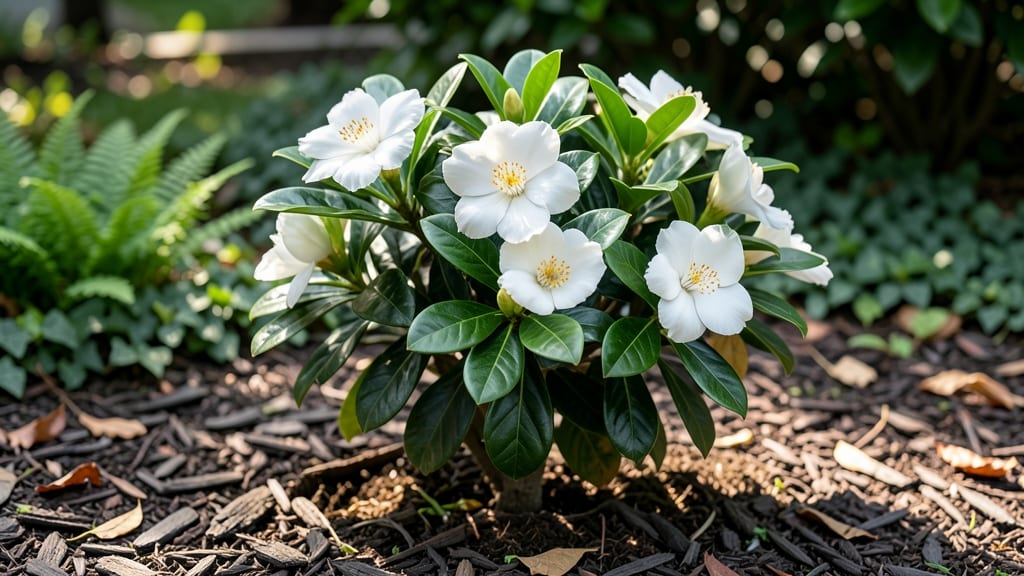
A gardenia tree’s size can range from a compact 3-foot dwarf to a towering 15-foot shrub, depending on the variety and care you provide.
Picture this: You’ve just planted your 🌸 gardenia tree in spring, dreaming of fragrant blooms and lush foliage—only to realize years later it’s outgrown its space. The good news?
With the right variety and pruning, you can keep your gardenia at your ideal height, whether that’s a patio-sized shrub or a privacy screen.
Some gardenias grow slowly (6–12 inches per year), while others shoot up 3 feet in a season if given the right conditions. Sunlight, soil pH, and pruning habits all play a role in how big (or small) your gardenia becomes.
In this guide, I’ll break down the mature sizes of popular varieties, how fast they grow, and the best ways to control their height—so you can enjoy your gardenia without the surprise of a 10-foot monster in your backyard.


Gardenia tree size by variety: mature height & spread guide
Choosing a gardenia variety isn’t just about those intoxicatingly fragrant flowers—it’s also about planning for the final size that will fit your landscape. Some gardenias stay small enough for container gardening, while others grow into privacy-screen shrubs.
The Gardenia jasminoides species alone offers height variations from 2 to 12 feet, so let’s break down what to expect from popular varieties.
Before we dive into specifics, remember that mature size depends on pruning habits, soil quality, and sunlight exposure. A neglected gardenia can outgrow its space quickly, while regular pruning can keep even large varieties manageable.
For example, ‘Kleim’s Hardy’ typically reaches 6–8 feet but can be pruned to 4–5 feet for patio-friendly proportions.
Here’s a quick reference for common gardenia varieties and their mature dimensions, including spread width and growth habits to help you visualize their impact in your yard.
| Variety | Mature Height | Spread Width | Growth Habit | Best For |
|---|---|---|---|---|
| Gardenia jasminoides ‘Kleim’s Hardy’ | 6–8 ft | 5–6 ft | Upright, bushy | Privacy screens, foundation plantings |
| Gardenia jasminoides ‘Radicans’ | 2–3 ft | 3–4 ft | Trailing, mounding | Containers, hanging baskets, borders |
| Gardenia jasminoides ‘Veitchii’ | 3–5 ft | 4–5 ft | Compact, rounded | Patio pots, small gardens |
| Gardenia augusta | 10–15 ft | 8–10 ft | Tree-like, upright | Large landscapes, tropical settings |
| Gardenia jasminoides ‘Fortuniana’ | 4–6 ft | 5–6 ft | Bushy, multi-stemmed | Hedges, mixed borders |
| Gardenia jasminoides ‘Mystery’ | 3–4 ft | 3–4 ft | Dwarf, rounded | Containers, small spaces |
| Gardenia jasminoides ‘Belinda’ | 5–7 ft | 4–5 ft | Upright, dense | Foundation plantings, shrub beds |
| Gardenia jasminoides ‘Florida’ | 6–10 ft | 6–8 ft | Semi-upright, sprawling | Privacy hedges, tropical gardens |
If you’re working with limited space, varieties like ‘Radicans’ or ‘Mystery’ are perfect for container gardening. Their compact growth makes them ideal for balconies or patios, where you can move them to follow the sun or protect them from harsh afternoon rays.
Just ensure your container has drainage holes and use a well-draining potting mix to prevent root rot.
For those aiming to create a natural privacy screen, ‘Kleim’s Hardy’ or ‘Florida’ are excellent choices. These varieties grow tall enough to block views while still being manageable with annual pruning.
Plant them 3–4 feet apart to encourage a dense, uniform hedge over time. Pair them with complementary shrubs like oleanders or abutilons for a layered effect.
One common mistake is assuming all gardenias grow into large shrubs or small trees. The ‘Veitchii’ variety, for example, stays under 5 feet and thrives in 5-gallon containers, making it a favorite for urban garden
How fast do gardenias grow? Size expectations by age & climate
If you're planning to grow gardenias, understanding their growth rate is key to managing your space and expectations. Most gardenia varieties grow at a steady pace of 6–12 inches per year under ideal conditions.
However, factors like USDA hardiness zones, sunlight exposure, and soil pH can significantly influence how quickly your gardenia matures. In warmer climates like Zones 9–10, gardenias may grow faster, reaching their mature size in 5–7 years, while cooler zones (Zone 7) might see slower growth.
Your gardenia's growth rate also depends on its variety. Dwarf varieties like ‘Kleim’s Hardy’ stay compact, while standard types like ‘Radicans’ can grow taller. Proper care—such as maintaining acidic soil (pH 4.5–6.0) and providing partial shade—can accelerate growth, while neglect can stunt it.
Let’s break down what to expect year by year and how to optimize growth for your climate.
🌱 Gardenias by Age: Expected Height & Growth Rate
- 🌱 Year 1: 1–2 ft (slow initial growth as roots establish)
- 🌱 Year 2: 3–4 ft (rapid growth with proper care)
- 🌱 Year 3: 5–6 ft (branching increases, flowering begins)
- 🌱 Year 4: 7–9 ft (fuller shape, more blooms)
- 🌱 Year 5+: 10–15 ft (mature size, slower growth rate)
💡 Pro Tip: Prune in late winter to encourage bushier growth and control height.
Climate plays a huge role in gardenia growth. In USDA Zone 10, where winters are mild, gardenias can grow up to 12 inches per year and reach maturity faster. Meanwhile, in Zone 7, growth may slow to 4–6 inches per year due to cooler temperatures.
Always choose a variety suited to your zone—‘Kleim’s Hardy’ thrives in cooler areas, while ‘Veitchii’ prefers warmth.
Soil pH is another critical factor. Gardenias thrive in acidic soil (pH 4.5–6.0). If your soil is too alkaline, growth will slow, and the plant may struggle to flower. Test your soil and amend it with peat moss or sulfur if needed.
Proper drainage is equally important—waterlogged roots can stunt growth or even kill the plant. Mulching with pine bark helps maintain moisture and acidity.
Sunlight exposure also impacts growth. While gardenias need 4–6 hours of sunlight daily, too much direct afternoon sun can scorch leaves, slowing growth. In hot climates, provide afternoon shade to protect the plant.
If you’re growing gardenias in containers, choose a large pot (at least 15 gallons) to accommodate root growth and ensure adequate drainage.
To control gardenia size in small spaces, prune regularly but avoid cutting back more than 1/3 of the foliage at once. For dwarf varieties, limit pruning to shaping in early spring. If your gardenia outgrows its space, consider root pruning or transplanting to a larger container.
With the right care, even fast-growing varieties can be managed to fit your garden or patio beautifully.