
How To
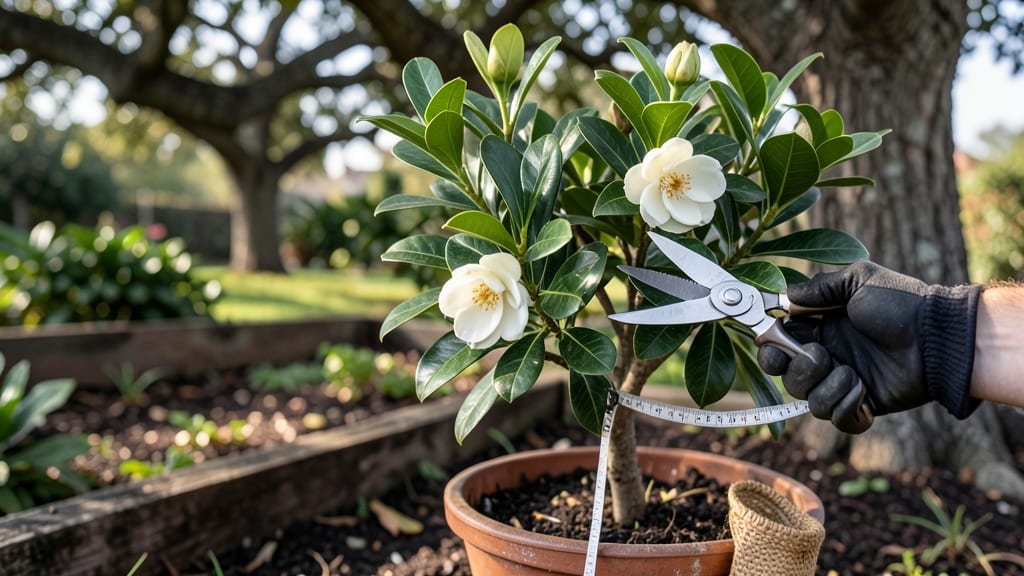
You can safely cut back gardenias by up to one-third of their total height each year—without risking their health or those iconic fragrant blooms.
Overzealous pruning can turn your gardenia’s lush blooms into a sad, bare shrub—so knowing exactly how far you can trim without harming it is key to keeping those white flowers thriving. The secret lies in timing, technique, and respecting the plant’s natural growth cycle.
Most gardeners prune after the spring bloom (around May in Zone 6a), but the real magic happens when you cut just above a leaf node. This encourages bushier growth and more flowers next season—while avoiding the common mistake of over-pruning, which stresses the plant.
In this guide, I’ll walk you through the step-by-step pruning limits, the best tools to use, and how to spot signs of over-pruning before it’s too late. By the end, your gardenias will be healthier, fuller, and ready to reward you with even more stunning blooms.
Safe pruning limits for gardenias: how far to cut without damaging the plant
Pruning gardenias is an art—trim too much, and you risk stunting growth or reducing those iconic fragrant white blooms. The golden rule is to never remove more than one-third of the plant's foliage in a single session.
This 1/3 rule ensures your gardenia retains enough leaves to photosynthesize and fuel new growth. Think of it like a haircut: you want to shape without sacrificing the foundation.
Gardenias bloom on current season's growth, so aggressive cuts can delay or reduce flowering. The key is patience—small, strategic cuts over time yield better results than one heavy pruning.
For example, if your 4-foot gardenia has overgrown, aim to trim back only 12-16 inches total, focusing on dead or crossing branches first.
Timing matters just as much as technique. Always prune after blooming season, typically in late spring or early summer, when the plant has finished flowering.
This gives it time to recover before winter. Avoid pruning in fall or winter, as new growth won’t harden off before cold weather sets in.
Now, let’s clarify where to make those cuts. Always prune just above a leaf node (the bump where leaves or branches meet the stem) at a 45-degree angle. This encourages outward growth and prevents water from pooling on the cut.
Never leave stubs—this invites disease. For instance, if you’re shaping a bushy gardenia, look for the lowest healthy leaf node and cut just above it.
Here’s a quick visual guide to help you decide how much to trim based on your gardenia’s current state:
Young gardenias (under 3 years old) need even gentler treatment. Focus on removing only dead or crossing branches—never more than 10-15% of the plant. Their root systems are still developing, so heavy pruning can shock them.
For instance, if you’ve just planted a 1-foot-tall gardenia, skip pruning entirely the first year unless you’re addressing serious damage.
Seasonal cues can guide your pruning. In USDA Zone 6a, where gardenias thrive, prune in May or June after the last frost. This timing aligns with the plant’s natural growth cycle.
If you live in a warmer climate (like Zone 8+), you can prune as late as August, but avoid cutting back after September to allow new growth to harden off before winter.
Watch for new growth indicators after pruning: soft green leaves emerging from the cut area signal success. If you see yellowing leaves or stunted growth within weeks, you’ve likely pruned too much.
In this case, reduce watering slightly and fertilize lightly with an acid-loving plant food to encourage recovery. Patience is key—gardenias can take 4-6 weeks to show signs of regrowth.
Pro tip: Use sharp, sterilized pruners to make clean cuts. Dull blades crush stems, inviting disease. After each cut, wipe your tools with rubbing alcohol to prevent bacterial spread.
For larger branches (over 1/2 inch thick), use loppers or a pruning saw—never your hands or hedge clippers, which can tear the bark.
Remember, gardenias reward gentle, consistent care. Over time, you’ll learn your plant’s unique rhythm. Start conservatively, observe how it responds, and adjust your approach. With the right pruning limits, your gardenia will thrive for decades, gracing your garden with its intoxicating scent year after year. 🌸
Signs you’re pruning gardenias too much (and how to fix it)
Your gardenia’s fragrant blooms and glossy leaves are its pride, but aggressive pruning can strip them away faster than you’d think. If you’ve noticed sparse flowers or yellowing foliage after trimming, you might be overdoing it.
Gardenias are sensitive shrubs that rely on a delicate balance between growth stimulation and stress reduction—and pruning too much disrupts that harmony.
Over-pruned gardenias often show signs like stunted growth, bare branches, or even leaf drop. These red flags mean your plant is struggling to recover, and without intervention, it may take years—or never fully bounce back.
The good news? With the right corrective steps, you can revive your gardenia and restore its blooming potential.
Warning: How Far Can You Cut Back Gardenias?
Never trim more than 1/3 of the plant’s foliage in a single session. Gardenias form blooms on new wood, so severe cuts (beyond 1/3 of branches) can eliminate next year’s flowers and stress the shrub’s root system. If your gardenia looks skeletal after pruning, you’ve likely gone too far.
One of the first warning signs is leaf yellowing, especially if it starts at the tips. This chlorosis often signals root stress from over-pruning, which disrupts nutrient uptake. Pair this with fewer blooms than usual, and your gardenia is clearly protesting.
Another clue? Thin, leggy growth with long stretches of bare stems—this means your plant is stretching to compensate for lost foliage.
To fix over-pruned gardenias, start with root care. Gently loosen the soil around the base and add organic compost or peat moss to improve drainage and acidity (gardenias thrive in pH 5.0-6.0).
Water deeply but infrequently—soggy roots can worsen stress. Then, adjust your fertilizer routine: switch to a low-nitrogen, high-phosphorus formula (like 5-10-10) to encourage root recovery over leafy growth.
If your gardenia’s branches look bare, focus on selective pruning in spring. Trim only the tips of branches to promote new growth, avoiding deep cuts. Avoid pruning after mid-summer, as this can prevent next year’s buds from forming.
For severe cases, prune lightly in early spring and monitor for new shoots—these are your plant’s way of recovering.
Remember, gardenias are slow growers, so patience is key. With consistent care, your over-pruned shrub can bounce back in 1-2 seasons. The secret? Less aggressive cuts and more focus on root health and balanced feeding. Soon, those snow-white blooms will return—fragrant and fuller than ever.