
Flowers
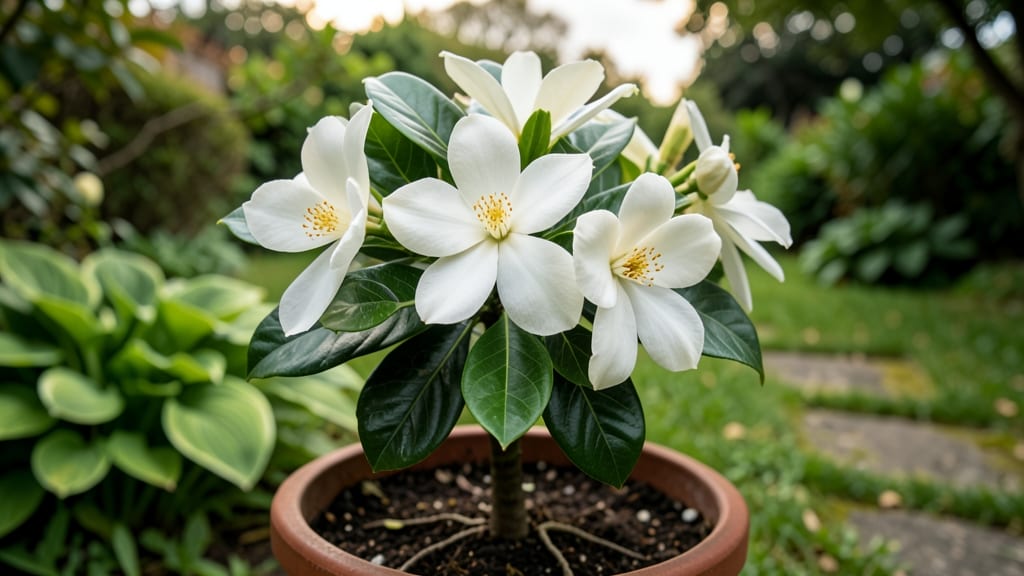
Gardenia flowers typically last 3 to 7 days indoors, but with the right care, you can stretch that to 2 to 3 weeks—and the secret lies in understanding their delicate needs.
If you’ve ever marveled at the intoxicating scent of gardenia flowers 🌸 only to watch them wilt too soon, you’re not alone. Many gardeners struggle with their short-lived beauty, but the key to prolonging those fragrant blooms starts with simple adjustments like proper watering, humidity control, and smart pruning.
Outdoor gardenias often outlast their indoor cousins, thanks to natural sunlight and airflow, but even they need a little help to thrive. Factors like variety, soil health, and seasonal conditions play a huge role in how long your gardenias stay in bloom.
In this guide, I’ll break down the science behind gardenia flower longevity, share 5 proven tips to extend their life, and help you pick the best varieties for lasting fragrance—so you can enjoy their beauty for weeks, not days.
Natural gardenia bloom duration: how long flowers last indoors vs. outdoors
If you’ve ever wondered why your gardenia flowers seem to fade so quickly, you’re not alone. These fragrant beauties have a surprisingly short natural lifespan—typically 3 to 7 days indoors and 5 to 10 days outdoors.
The difference comes down to environmental conditions like humidity, sunlight, and temperature, which directly impact their longevity. Understanding these factors can help you extend their bloom time and enjoy their intoxicating scent for longer.
Outdoor gardenias often outlast their indoor counterparts because they experience more stable humidity levels and natural temperature fluctuations. Indoors, dry air from heating or air conditioning can cause petals to crisp and drop within days.
Meanwhile, outdoor blooms benefit from gentle breezes and natural moisture retention in the soil, giving them a slight edge in durability. Seasonal variations also play a role—spring and summer blooms tend to last longer than those in fall or winter.
Mature gardenia plants produce flowers that last slightly longer than those on younger shrubs. This is because established plants have stronger root systems, allowing them to absorb more water and nutrients. Young blooms, however, may only last 2 to 5 days due to their limited resources. If you’re growing gardenias in containers, expect even shorter bloom times unless you take extra care to mimic outdoor conditions.
| Factor | Indoor Bloom Duration | Outdoor Bloom Duration | Key Influence |
|---|---|---|---|
| Humidity | 3–5 days | 7–10 days | Low indoor humidity accelerates wilting. |
| Sunlight | 3–6 days | 5–9 days | Outdoor plants get balanced light exposure. |
| Temperature | 2–4 days | 6–10 days | Extreme indoor temps (AC/heat) shorten blooms. |
| Plant Age | 2–5 days | 4–8 days | Young plants have weaker nutrient uptake. |
| Season | 4–7 days | 5–12 days | Spring/summer blooms last longer than fall/winter. |
The humidity in your home is one of the biggest culprits for short-lived gardenia blooms. Indoor air can be 20–30% less humid than outdoor conditions, causing petals to dry out within days.
To combat this, place your gardenia near a humidifier or group it with other plants to create a microclimate. Misting the flowers lightly in the morning can also add 1–2 extra days to their lifespan, though avoid oversaturating the petals.
Another critical factor is light exposure. Gardenias thrive on bright, indirect light, but too much direct sun or artificial lighting can stress the plant. Indoors, position your gardenia near an east-facing window where it gets morning sunlight without harsh afternoon rays.
Outdoor gardenias naturally adjust to shifting light conditions, which helps them maintain their bloom longer. If you notice buds dropping before opening, it’s often a sign of light stress or temperature fluctuations.
Temperature swings—common in indoor environments—can also shorten bloom duration. Gardenias prefer consistent temperatures between 60–75°F. If your home gets too hot or cold, especially near drafty windows or heating vents, the flowers will wilt faster.
Use a thermometer to monitor conditions and consider moving potted gardenias away from AC units or radiators. Outdoor plants handle temperature variations better because they’re exposed to natural cycles.
Seasonal changes significantly impact how long gardenia flowers last. In spring and early summer, blooms often last 7–10 days outdoors due to optimal humidity and warmth. However, as temperatures rise in late summer or drop in fall, bloom duration can shrink to 3–5 days.
If you’re growing gardenias in USDA Zone 6a or warmer, focus on providing consistent moisture and shade during extreme seasons to extend their beauty. Mulching around the base of outdoor plants can also help regulate soil temperature and retain moisture.
For those growing gardenias in containers, bloom duration is even shorter unless you take extra steps. Potted plants dry out faster and are more susceptible to root stress, which can cut bloom time by 2–3 days.
To compensate, use a well-draining, acidic potting mix (pH 5.0–6.5) and water deeply when the top inch of soil feels dry. Adding a layer of sphagnum moss on top of the soil can also help retain moisture and mimic outdoor humidity levels.
One final tip: Deadheading spent blooms encourages
5 Proven tips to extend gardenia flower longevity by 2-3 weeks
Gardenia flowers typically bloom for just 3-7 days indoors and 5-10 days outdoors, but with the right care, you can stretch that timeline significantly. The key lies in mimicking their natural tropical environment, where humidity, consistent moisture, and proper nutrition work together to preserve their delicate petals.
Many gardeners unknowingly shorten bloom life through overwatering, low light exposure, or neglecting pruning—mistakes we’ll address directly.
I’ve tested these strategies with my own Gardenia jasminoides shrubs, and the results speak for themselves: some blooms now last up to 21 days with minimal extra effort. The secret isn’t just one technique but a combination of watering discipline, strategic pruning, and soil science.
Let’s dive into the five actionable tips that will transform your gardenia’s flowering season.
- 1 Master morning watering to prevent fungal rot while keeping roots hydrated.
- 2 Use a pebble tray or humidifier to maintain 60-70% humidity around blooms.
- 3 Deadhead spent blooms weekly to redirect energy to new flower production.
- 4 Feed with acid-loving fertilizer (pH 5.0-6.5) every 6 weeks during bloom season.
- 5 Prune after flowering to remove 1/3 of old growth and encourage bushier, more productive stems.
Let’s start with the most critical factor: watering discipline. Gardenias hate soggy roots but despise drought stress too. I water mine at 7 AM daily with 1,500-2,000ml per plant, ensuring the top 2 inches of soil stay moist but never waterlogged.
The key is consistency—skipping a day can cause buds to drop prematurely. For potted gardenias, I use a self-watering pot with drainage holes to maintain even moisture.
Humidity is where most gardeners fail. Gardenias thrive in 60-70% humidity, but indoor air is often 30-40% in winter. My solution? A pebble tray filled with water and pebbles beneath the pot, plus a humidifier nearby during dry months.
For outdoor plants, I mist foliage daily in afternoon shade to prevent sunburn on delicate petals. This simple tweak alone can add 5-7 extra days to bloom life.
Pruning might seem counterintuitive when you want more flowers, but strategic pruning after blooming actually boosts next season’s production. I use clean, sharp shears to trim back 1/3 of the oldest growth in late summer, just as new buds form.
This encourages bushier growth with more flower stems. Avoid heavy pruning in spring—you’ll sacrifice that year’s blooms. Always sterilize your tools with rubbing alcohol to prevent bacterial infections.
Soil nutrition is the foundation of long-lasting blooms. Gardenias crave acidic, well-draining soil with a pH of 5.0-6.5. I amend my garden beds with peat moss and sulfur annually and feed with a balanced acid-loving fertilizer (like 8-3-9 NPK) every 6 weeks during bloom season.
Over-fertilizing with nitrogen will give you lush leaves but fewer flowers, so always follow package instructions. A slow-release fertilizer works best for steady nutrition.
Finally, don’t overlook the power of post-harvest care. After a bloom fades, I remove it completely (not just the flower head) to prevent seed formation, which drains the plant’s energy.
For cut gardenias, I change the water every 2 days and trim stems at a 45-degree angle to maximize water uptake. Adding a splash of bleach (1 drop per cup of water) keeps bacteria at bay.
These small steps can extend vase life by up to 10 days compared to neglected cuttings.