
How To
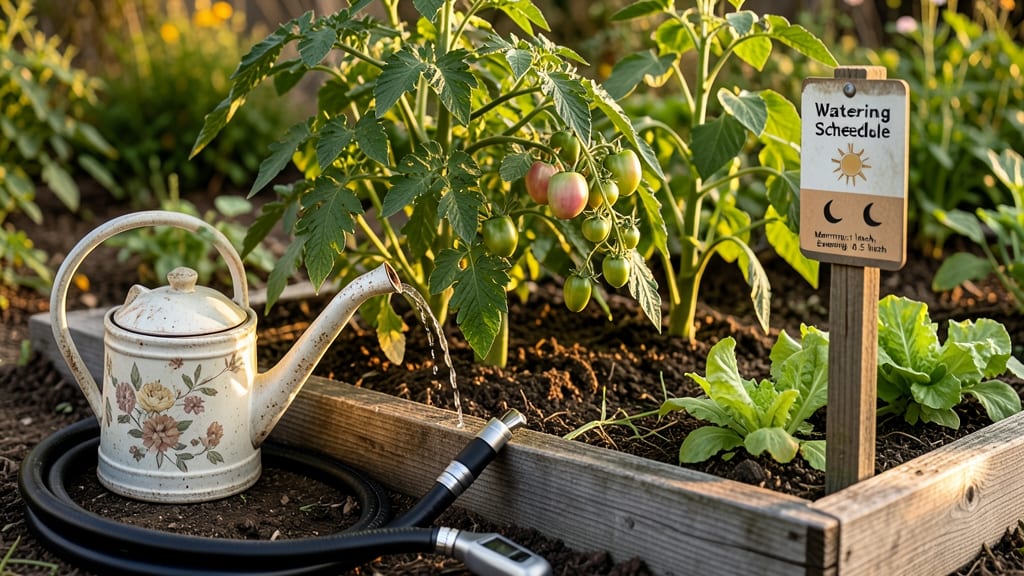
Watering a vegetable garden the right way means knowing how often to water—not just when to reach for the hose, but how deep and how often to keep your 🥬 thriving without drowning the roots.
If you’ve ever watched your tomatoes shrivel midday or your lettuce bolt into bitter stems, you know the guesswork can be brutal. The truth? Most gardeners overcomplicate it by sticking to a rigid schedule, but the real secret is reading the soil.
This isn’t about memorizing a chart—it’s about understanding when the top inch feels dry to the touch (for most plants) or when wilting signals a deeper need.
We’ll break down the soil check method, adjust for your zone’s heat or rain, and even tell you which crops hate soggy feet.
By the end, you’ll water with confidence, save time, and grow vegetables that taste like they came from a perfectly balanced garden—not a science experiment.
The soil check method: when to water vegetables for optimal growth
Mastering the soil check method is the key to knowing exactly when your vegetable garden needs water. Unlike rigid schedules, this approach lets you adjust based on real-time soil conditions.
I’ve found that leafy greens like lettuce and root crops like carrots respond differently to moisture levels, so understanding these cues saves time and prevents plant stress.
Start by checking the top 1-2 inches of soil—this is where most plants’ roots actively seek moisture. The finger test is my go-to: simply push your finger into the soil. If it feels dry, it’s time to water.
For sandy soil, which drains quickly, you may need to check more frequently, while clay soil holds moisture longer and requires less frequent watering.
Visual cues also play a critical role. Look for dry soil cracks or a lighter color near the surface, both signs that moisture is depleted. A heavy, damp feeling indicates your plants have had enough water for now.
Remember, overwatering is just as harmful as underwatering—it can suffocate roots and promote fungal diseases.
Step-by-Step Soil Check Method
- 1 Check soil depth: Insert your finger 1-2 inches deep into the soil.
- 2 Assess moisture: If dry, water until moisture reaches 6 inches deep for most vegetables.
- 3 Adjust for plant type: Leafy greens need frequent, shallow watering; root crops prefer deep, infrequent soaking.
- 4 Monitor weather: Increase watering during hot, dry spells or reduce during rainy periods.
- 5 Use mulch: Apply 2-3 inches of mulch to retain moisture and reduce evaporation.
For seedlings, which have delicate root systems, I water every 1-2 days to keep the soil consistently moist.
Once they’ve established roots, I shift to the soil check method. Tomatoes and peppers thrive with deep watering 2-3 times per week, while carrots and onions prefer less frequent but thorough watering to encourage root growth.
A common mistake I see is watering based on a fixed schedule, regardless of soil conditions. For example, watering every morning without checking moisture can lead to overwatering, especially in clay-heavy soil. Always pair your watering routine with the soil check method to avoid this pitfall.
Another tip: water in the early morning to allow foliage to dry before nightfall, reducing the risk of fungal diseases like powdery mildew. I’ve noticed that drip irrigation or soaker hoses deliver water directly to the roots, minimizing waste and keeping leaves dry—ideal for disease prevention.
If you’re growing in containers, check soil moisture more frequently since pots dry out faster. A good rule of thumb is to water when the top inch of soil feels dry.
For in-ground gardens, the soil retains moisture longer, so you can stretch the time between waterings, especially if you’ve added organic matter like compost.
Pay attention to how your plants respond. Wilting leaves that recover after watering indicate thirst, while yellowing leaves or moldy soil suggest overwatering. Adjust your approach based on these visual cues to keep your vegetable garden thriving all season long.
By mastering the soil check method, you’ll save water, reduce stress on your plants, and enjoy a more productive harvest. It’s all about listening to your soil—and your plants will thank you for it!
Watering frequency by vegetable type: a seasonal guide
Watering your vegetable garden isn't one-size-fits-all. Tomatoes and peppers need deep, consistent moisture, while lettuce prefers frequent, shallow drinks. Carrots and other root crops hate soggy soil but still need steady hydration.
The key is understanding each plant's unique needs and adjusting for your climate zone and container vs. in-ground setup.
Container gardens dry out faster than in-ground beds, often requiring daily watering in hot weather. In-ground plants with mulch may only need watering every 3-5 days. Always check soil moisture before watering—stick your finger 1-2 inches deep. If it feels dry, it's time to water.
| Vegetable | Growth Stage | Watering Frequency | Container Adjustment |
|---|---|---|---|
| Tomatoes | Seedlings | Every 1-2 days | Daily in containers |
| Tomatoes | Mature | Every 2-3 days | Every 1-2 days |
| Peppers | Seedlings | Every 2 days | Daily in containers |
| Peppers | Mature | Every 3-4 days | Every 2 days |
| Lettuce | All stages | Every 1-2 days | Daily in containers |
| Carrots | Seedlings | Every 2-3 days | Every 2 days |
| Carrots | Mature | Every 4-5 days | Every 3 days |
Seasonal shifts matter too. During summer heat, most vegetables need watering every 1-2 days, while spring and fall may only require watering every 3-5 days.
In drought-prone zones, deep watering every 5-7 days is better than shallow daily doses. Always water in the early morning to reduce evaporation and fungal risks.
Watch for wilting leaves or yellowing edges, which signal underwatering. Overwatering shows as mushy stems or leaf mold. Adjust your schedule based on these signs and your local rainfall patterns. A drip irrigation system or soaker hose can help maintain consistent moisture without overwatering.
For container gardens, use self-watering pots or add a moisture meter to track soil conditions. In-ground beds benefit from mulching, which locks in moisture and reduces evaporation.
By tailoring your watering routine to each vegetable's needs and your garden's conditions, you'll enjoy healthier plants and better harvests all season long.
🌱